thanks for joining us my name is VivianSchiller and I’m the executive directorof Aspen digital a program of the AspenInstitute I’m really thrilled to bebringing you today’s session along withour partners on this Weber shanwick theglobal communications powerhouse and theSouth China Morning Post they are thehundred and seventeen year oldenglish-language newspaper of record forHong Kong that reports extensively onChina for a global audience as everybodyon this session knows China was ofcourse the first to experience theimpact of Kovan 19 at the start of thenew year and they now seem to have theepidemic largely under control sadly forthe rest of the world we’re now in thethick of it in fact just yesterday theCDC announced that the US has surpassedthe total number of cases in China andwe’re still on the upswing in fact theapex is forecast to be still weeks awaybut is the tip of the pandemic spearit’s critical to understand whathappened in China and what steps theytook especially and this is our focustoday on the kinds of technologies thatwere launched or repurposed to addressexpect aspects of the crisis China’stechnology infrastructure of course isquite different than anywhere else inthe world we’ll talk about that and yetthere’s much to learnjoining us today first to present theChina story is lydian Lee the presidentof Weber shanwick in China after Lydiapresents we’re going to be joined bySouth China Morning Post CEO Gary Liuand also Andrew Magoffin who was thedeputy CTO in the Obama administrationand the former head of global publicpolicy at Google he was part of the teamresponsible for getting Google intoChina and he will be addressing amongother things Civic technology that’spossible here in the US now so we’regonna do the presentation and then I’mgonna do a little moderated Q&A with ourwith our participants and then we’regonna hear questions from you if youlook at your screen at the bottom youwill see a button that says QA you canpresson that QA at any time and that willallow you that would give you there’llbe a place where you can type in yourquestions so you can put them in now youcan put them in later and we will cometo those in Tibet so I also want tolastly before I turn it over to Lydia Iwant to just ask your forgiveness inadvance because it is completelypossible in fact I would go so far as tosay likely we will have some technologyglitches so this is the world we live intoday so so anyway thank you so much forfor bearing with usand with that I’d like to welcomeLydia Lee to the screen and hi Lydiathank you thank you for joining usyep we need to get there you’re unmutednow so Lydia it’s midnight there inShanghai so thank you for staying up forus I really appreciate it we all reallyappreciate it and looking forward toyour presentation and then I’ll be backafter Lydia’s finished if you can’t seethe slides again good morning everyonewherever you are or even in wherever youarefirst of all I want to say from thisside of the Pacific or in Shanghai whereI’m living right now we want to send ourbest wishes and hope that you are safeand healthy with your loved ones okay webeing through here in China two threemonths probably what about two threemonths ahead of you so I know how youguys are going through so please staysafe and hope that we can all togetherwork together and have this over soon soI want to share with you in the next 20minutes or so my experience as acommunicator and a marketer and a littlebit of technology geek what I saw whathappened here in China during theepidemic the some types of innovationthat I saw was very inspiring some ofthemyour reefs in it or probably experiencein the West doesn’t matter I want toshare with you how through these ideasmaybe through more connection with eachother we can inspire many ideas sure Ialso want to apologize that just to makesure that technology works I’m having myfriend over there in you your best gonnaflip the slice for me so if we go to thenext pagebest when I share with you is that theyare three phases that we went throughokayI’ll break broke like Vivian saidprobably in January January 23rd was ashocking day for all of us here when weheard the lockdown or wuhan that becamea very very shocking day for all of usbecause fear and confusion started it wewent through about six week ofquarantine here in Shanghai and duringthis time our lives changed our mobilitywas very limited and that created a lotof issues and a lot of problems andlastly through recovery we are here atthe early stage of recovery still veryvery cautious of a rebound butnevertheless you know there’s someanxiety still in the marketplace so Iwant to take you through the next slidepleasesome areas observations that we saw thatproblems were created but alsoopportunities that technology andcollaboration came together and solvethose problems during quarantine and allbreak you’re gonna see all this and Ithink you’re gonna feel the same way aswell right information access businessdisruption and a little bit about Chinadifferently even the United States verybig as well but we one point fourbillion people skill and speed was anissue here as well so I’m going to takeyou to the next slide about informaticsinformation access you know what do wedo here during that time that China didin order to allow its citizens to accessto information Beth next slide pleaselike like everywhere else during thevery first stages rumors was flyingaround there was very confusinginformation about this virus that we’reall very worried and very quickly whatwe saw is organizations coming togetherone with the technology platform likeTencent through their FDA peepees thatthey created they were organized andcollect collect all the information fromthe in this case CDC MDAwhich is the China medical doctorsAssociation the collaborate together toensure the right information andknowledge about corona virus was spreadacross the net so it can be sharedacross so very quickly since every mostof the people are very familiar withtensing and used all their you knowapplications very frequently on a dailybasis for example like WeChat peoplewere able to find a story somewhere theycan click and probably copy paste thetitle and put into this app and thenvery quickly the the application willtell them if this is a real news or afake news ok so in this case itcombating rumor was very useful and atthe same time if you go on this page yousee we were able to use applications aswell where the media since they werereporting about cases happening in thiscase in Shanghai where are where thepatients were located where would theydiscover up where with the rest isstarted and there was all publicinformation the media was able toorganize itself and work with a mapapplication and together if you wereworking around at that time in Shanghaiat that time we are not yet in fullquarantine you’ll be able to open theapp and immediately the application willtells you if the surrounding areas therewere infected areas so that users ascitizens are well aware of the situationand they can make the right decisionjust like the next page you know theywere alsoapplications that you could track yourneighborhood and this one was done incollaboration with people’s daily thisis the government newspaper mouthpieceshow the information that he had isaccurate and official working withTencentyou know instead of you know when youwalk to a place and then use it and seethey’re inspected areas in this case youcould actually type in your address oryour mother’s address or your officeaddress any part of the sudden ofrecorded public recorded records ofpeople infecting those areas sobasically this is in termination oftracking for example in the next stagenext page all these tracking all theseinformation that you were able to accessitactually make people feel more confidentor less fearful because at that time asyou can probably imagine we werefighting an unknown enemy nobody couldsee you nobody can smell and nobody canfeel it so a lot of tracking happenedduring outbreak and in this final casewhat I saw was very usefulwe heard that maybe people were able tocatch the virus in a very close in spacein this case probably on the airplane ora rail or sometimes buses okay and thisis a critical time because outbreakbroke when Chinese New Year was startingand millions and millions of Chinesepeople were travelling to going homejust like Thanksgiving but you multiplyby a hundred times and and so travellingwas part of our you know journey home orcoming back to working cities but youwere able to catch something you knowyou will if we were able to know ifsomebody on my plane was a later oninfected I might have to be quarantinedso in this way it created a lot ofapplications to make people at leastinformative be able to track but at thesame time be aware of the situation sowe thought that was very interestingtechnologies and accurate informationcoming together and collaborate togetherand acts let people access it easily andthat’s keyeasy access because people could be a 16years old which are maybe able to verysavvy using mobile phones but literallyI will show you they were equallyproviding information to the 80 yearsold one might not be very savvy whileMary used to still text messages if wego to the next section where we saw apowerful information access which wascritical during the outbreak and evenquarantine I think during the Qantas themost probably the most anxious andpainful because he was so inconvenientour lives change our style has to changeyou know all the sudden our mobility wasrestricted and personally I stayed homefor four weeks and my mobility was verylimit just walking my dog every daytwice a day for 15 minutes or 20 minutesand he was very in a very closed areanot because they did not allow me it’sjust that I was very conscious that Idon’t want to bring you know trouble tothe community okay but a lot of thingswere disrupted restaurant was closed andretail stores were closed the only shopsthat were hoping was pharmacies orsupermarkets so as you probably knowecommerce and all these things in Chinais you know as part of our lives all ofa sudden we couldn’t you know just withone click and buy everything so what didhappen let’s go through the next lineand I want to share with you some realvery innovative and sometimes low-techinnovation okay for example no talk nocontact delivery Alibaba very quickly soits platform Timo created that thisusing the AI technology very quicklythat instead of you going to the door orthe delivery person going to your doorand give it to you this close proximitycounter was creating a lot of fear asyou probably imagine because of what’srecommended now social distanceand that time in China was recommendedas well so they wasn’t able to providethe delivery and this is a huge thing inChina as a Chinese to tell the truthsometimes there is a lack of trust inthis society people’s things might bestolen and it was very common here sodelivery the most secure way is todeliver by hand so that I can actuallysee it and touch it and recognize it andclick a button said yes I receive it butduring this time no contact you know nocontact so what happened a very low-techvery quickly is that residentialbuildings put together a space aroundtheir front door where you know thedelivery people can put their itemsright there by the time they put theitems automatically or they click abutton and a I message automaticallysend it to the receiver or the customerand tell me that your item is right hereplease come pick it up and to tell thetruth this is something very unique andthe lack of trust through this exercisewas some kind of overcome very interestLi and nowadays there’s a packagesleaving right there for a few dayspeople are not picking it up not becausepeople you know not interested but Ithink that probably this type ofexercise made a lot of people understandyou know the level of trust in a societyactually is for the benefit of thesociety if we go to the next slide whatI learned that pre previously Amazon inJapan also want to introduce nor contactdelivery and according to my friends andcolleagues it wasn’t very successful Iwas very against their norms and becauseof coronavirus they reintroduce this andwe’re still waiting to see how was thesuccess or the situation but veryinteresting that something that wasintroduced before probably too early oncan inspire earnest specialcircumstances can inspire areintroduction of a services so thinkabout it you know if that fits us toyour situation there’s more contactpurchase if you go to the index pageyou know in China you know we we we loveMcDonald’s and and it remained open someof the stores thank God okayduring the quarantine time but still nocontact so we what we did is that beforewe enter the store sometimes we don’teven enter the store we just scan the QRcode and on the side sigh if the if theif the store allows you have a spacethat will have your your items there andyou pick it up again the AI will tellyou when it’s ready showed that you onlyneed to have very close contact or in avery close space within the store goingto the store for a few seconds okay sothat was very interesting it stillhappening now in Shanghai in beijingvery interesting if you go to the nextpage additional you know Starbucks thesame thing I went to Starbucks and tooka look and you know they remove all thechairs in Starbucksokay coffee and they they want you tostand at least two meters apart fromeach other and again everything wasorder through your mobile phone paymentetc and all you need to do when is readythey send you a quick message you go inthere pick it up and you can leavetrying to minimize the close proximitycontact of people with people and duringthis time we saw a lot of people startusing vending machines and this is alocking coffee a Chinese you know coffeechange store they start introducingnowadays you know vending machines sothat you know people feel safe when theywant to go buy something because there’slimited contact finally two examples Iwant to share with you now with the nextslideapart from no contact purchase you knowschools were closed and some are stillremaining closed right now okay but oversudden since the the the abundantapplications in China in terms of onlinelearning was already there very quicklyas schools and organization kelabracollaborated with existing platforms andput all their studies online andactually very quickly taught Stuteachers how to interact with studentsso I know a lot of on my staff todaytheir kids are still at home and takingclasses and and sometimes they have tofight for a bigger screen in the at homeso it’s very interesting at the sametime we saw DJ’s you know moving theirservice and their jammy sessions onlineand I think this is nothing new I readthat there was a DJ jamming session lastweekend Michelle Obama and all thesefamous people attended the same thinghappened in China two months ago and youknow what it actually could be abusiness model because the products orbrands that were used to be able to sellat nightclubs in this case liquor ortobacco you know we’re able to do thesame thing right there even though youcannot get the delivery right away butthey create a fake drinks that you canshare with your friends send it to yourfriends for five dollars or two dollarsyou know virtual drinks you know youknow that requires a little imaginatorimagination but for a lot of youngpeople that was fun that’s a way ofengaging that was a time it’s a way ofkilling a lot of time you know what oneof the DJ’s two hours Jamie session thehighest same time login users uniqueusers reach about 70,000 and I heard ina report he earned one hundred twentythousand dollars for two our gig so newbusiness models are coming in so thatwas very eye-opening for us because atthat time during quarantine people lovedcontent they want content okay andthat’s the last example than here on theright-hand side you know you probablyheard about China building a hospital inseven days you know what people wantthat content people want to see all thetime so they did her live webcasts using5g technology and that’s applied to samething of moving a lot of clients eventsthey are moving to online because of thecancellations of of the events offlinethey are moving online so having thattechnology having that accessibilityreallypeople to move keep moving okay finallyapart from from for all this businessdisruption let’s go into scale and speedwhich is the next section and I think Iwant to very quickly take you throughbecause the size matters here in Chinathe first one makes like please duringthis time you know telecom companieswork together with the telecom work withauthority to ensure that through asecure code you can scan it and show itto authorities telling that I had notbeen to the epicenter okay oh I have notbeen into infected areas and this isbecame a very good validation code forall of us entering buildings now orshopping malls okay and that is verygood because during this time peoplemight lie up because they are scare sothere is a third party that validatesyou the next one the same thing the sameconcept you can manage in millionresidents using an application you knoweven buy a mask or orderly mass throughAlibaba the next one healthcare you knowyou can do checkpoints so instead ofpaperwork you know yeah I just think thesimilar comes in scanning a QR codedirectly you know you pop up theinformation and then you can click Lisuand that’s it and finally what I lovethe most the next two slide robots andand androids were in action so what wethought you know what we thought is thatvery interesting that this these thesetype of machines were able to help outwhen there was not enough manpower orbecause this situation was very greatfor example during quarantine hospitalsbecause at the very beginning peoplewere still scared they didn’t know howthe virus is gonna impact them they samerobots to send food and water we sawthat was very interesting next slide andI will conclude with this next like youknow old-fashioned technology stilldeliver message this newspaper on the 3Gmobile phone still works and very worksvery good witholder population and at the endsometimes physical banners will work sonext slide so this is some of the thingsthat I saw that thought was veryinspiring hopefully they can give yousome ideas on what happened in China butwhat I want to say to you and I want toconclude with the finals like next bestis that it seems like connectivity makethe spread of the virus even morebecause we’re so connected all becausethe disruption became so P because we’reso interconnected but I truly thinksitting here talking to my colleaguesaround the world on a daily basis thisis my s webinar in the last ten day Ifeel that I feel and also feel thatbeing connected is part of the solutionexchanging ideas like sessions of todaywill help us go through this situationso I hope the last 10 to 15 minutes ofinter of information can help us alittle bit inspiration but we’re alsohere to learn from what you guys can doso that all together we can worktogether and defeat this coronavirusThank You Vivian over to youThank You Lydia just and stay with mebecause first of all thank you that wasan incredible presentation and I willjust share before of my own observationsis sorry didn’t know as my video wasn’ton thank you that was amazingI’ll just share my two observations isI’m listening to you and thinking aboutnever mind what’s possible but whatwould be adopted in the West my myinitial reaction is the thing that wemost desperately need is the way thatyou do that in China everybody hasanything on their phone Oh as opposed toone of the big concerns in this countryas you know is all the touchscreens yougo to the supermarket to check outyou’re touching the screen we’reconstantly touching screens thateverybody else has touched so I thinkthat would be incredibly welcome andwe’ll talk to our other panelists aboutwhat when and if that is possible theone thing I’m not sure would be adoptedis yes we are all happy to send virtualdrinks by emojipeople are gonna pay for it but you knowthe mighty judge so Lydia one of thethings you know you talked about alittle you touched a little bit on howsome aspects of behavior have stayedwith with communities even while thepandemic is beginning is beginning toend the crisis beginning to ebb and lifeis returning to some semblance of normalthe idea of greater trust to be able toleave packages outside what what elsehas changed and do you think some of thetechnology that maybe was was reallylaunched and scaled up during the crisiswill be part of the new normal now verygood question I think one once areaprobably is not technology related butit will have an impact in behavior andin the future probably how technology ordesign is the distance between peopleokay China is very crowded very denseand it’s very natural for a lot ofpeople when they stand in line they arevery close to each other and throughthis pandemic people start to realizeprivate space needs to be respected Ican’t speak for the whole China but Ibut I’ve started to see in Shanghaipeople started respecting each other’sspace with that impact technology I donot know but in terms of technology whatI realize is that people rely more andmore on technology in order to beknowledgeable knowledge access knowledgeso that the medical information areas ofbeing infected people basically use themobile phone just like in the past wewill open a new read a newspaper so it’sbecome a second nature today there’s ajoke that we don’t I mean if we leavethe house without tea is fine but I cannever leave without a phone so in someways I think the phone becomes secondnature and in some ways that becomes youknow not just a technology anymore aspart of the lifestyle and DNA which Ithought is very difficult but verydifferent because we embrace it verynaturally whereas when I travel to theto Europewe they still see us a addition Adam youknow and in true intrusive of your lifeso than my impact how technology in thefuture will PC design here for China butthere’s still a lot of question remainbut it’s a good topic to to to explorethank you and and let’s bring in ourother panelists Gary and Andrew andwhile there while they’re joining us Iwant to remind everybody there is the QAbutton at the bottom of your again topopulate your questions I see there havebeen a few questions in there already Imeant to mention at the top of the atthe top of the hour if you would add ifyou feel comfortable please add bothyour name and your affiliation it’s justhelpful to understand where where you’recoming from so for those of you thatalready dropped in questions if you wantto just do it again and add youraffiliation that would be great we’llget to you in a few minutes but I’mgonna turn to you nowGary miner Gary the CEO of South ChinaMorning Post first of allcongratulations on the amazing coveragethat your your paper has done I it isone of my go to use every morning aboutwhat’s happening certainly in in yourpart of the world so so thank you forthat but I want to ask you to talk alittle bit about and and and I shouldmention that Gary’s expertise is in isas a technologistdespite the fact that he’s the CEO of anews organizations both in in Asia butalso extensively in the US so help usunderstand what it is about the Chinathe Internet in China that made this tipso quickly deployable and scalable andhow that might be different than in theWest there are a few fundamentaldifferences that I think tell the storyof the Chinese tech industry as a wholeand certainly they became expressed andexpressed well during the koba 19epidemic in China the outbreak therereally four major things that are justvery different between China and theUnited States the first one is of coursescale and Lydia mentioned this the theto data available and the number ofpeople that are actually on the mobileinternet is huge 850 million Internetusers 98% of them use mobile so you canimagine with all the events that all theGPS tracking everything that’s happeningis happening on your phone that amountof data and that scale of data actuallyallowed China to to very very quicklyactually deploy intelligence and deployservices because they effectively youknew exactly where everyone was in anymoment in time especially in majorcities the second difference is thatthere are government mandated areas ofinvestment and just so happens that afew of these came into play during thebecause of Cobie 19a AI robotics v geotelecoms being three major ones telecomsI don’t have to talk about you guysunderstand how important it is for thereto be massive connectivity fastconnectivity pretty stable connectivityaround the country and the major citiesactually I mean there’s so many majorcities even small cities in China largerthan our large cities in the UnitedStates but tier 1 tier 2 tier 3 citiesInternet is generally not a problem atall and even in rural areas increasinglythe deployment of 4G and now starting totest 5g there’s already about 200million people and China that have 5gavailable to them means that there ispretty widespread coverage for theinternet ai was used to diagnose and oneof the key reasons why the triage systemin China ended up being very veryefficient the first few weeks not somuch and then it became very efficientwas because AI was deployed to diagnosein effect you know in the US right nowif we get sick and we go and get adiagnosis we get blood drawn for a PCRtest that gets sent to a lab thatsometimes it takes several days for itto come back and then we get chest scansand a radiologist stands and looks atthe scans to see if their shadows to seeif we have Kova 19:00 like pneumonia inChina especially in some major citieslike Hong so it’s all done by AI so thediagnosis becomes super super fastso that was the second thing as aninvestment in these areas the thirddifferenceis that just like the u.s. they’re hugeInternet companies but the differencebetween the big Chinese internetcompanies and the big US ones is that inthe u.s. they specialize in one thing inChina they are full stacks so thealibaba’s and then $0.10 as well as biginsurance and healthcare companies likeping on or full-stack technologies whichmeans at the moment they want to deploysomething new it deploys across anentire stack Alibaba is a paymentplatform it’s a communications platformit is a delivery platform Tencent is thesame thing it’s a news platform it’s achat platform it’s a payment platformall the basic gaming platform so becauseof that new technologies can be by onecompany can can be deployed across anentire stack of services and then thefourth one is just logistics Lydia alsomentioned this mobility and delivery viathe Internet is just a way of life inChina again in the cities so thoselogistics were already that they’realready the infrastructure was alreadythere and so it was just about volume ofdelivery people and one of the reallyinteresting things that Lydia kind ofalluded to is that these deliverycompanies or these supermarkets that dodeliver suddenly needed to deliver 2 3 4X what they they you know usually do inbusiness but because the logistics wasalready there all they need to do ishire the people that been laid off fromthe restaurants and the cafe’s whoalready have service backgrounds and andthey were immediately able to deploy anddelivery again in in most major citiesdid not grind to a halt just because ofvolume so those are four majordifferences between the China internetmarketplace and and the way that it’semployed in the US and I think that cameinto play during Cova 19 were shut downthat’s really interesting there’s ofcourse Gary another Andrew I’ll come toyou in a minute but I’m a follower Garythere’s a question difference maybeisn’t so much about the internet theinternet foundations but we know thatChina actively blocks many techplatforms that are coming fromWest and doesn’t post some censorship oncontent yeah the the the Great Firewallstops a lot of a lot of access forwebsites outside of China but where thecentral ship has actually becomeextremely advanced and very very evolvedis within the Chinese internet and soLydia also talked about these tents andapps WeChat is the most popularmessaging app in China it has incrediblepenetration in the in the in the countrywe’re talking 80 plus percent across theentire country in major cities is ninetythree percent for WeChat usage but everymessage and WeChat can be and often iscensored and so it’s not just it wellit’s it’s it’s advanced to the pointwhat you don’t even know that you’rebeing censor because you send a chat itlooks like it’s gone through but thenyou don’t get a response because itturns out that the person on the otherend or the chat group you’re in has notreceived it and so that gets turned onwhen there is something happening in thecountry that the central authoritieswant to make sure that they can controlthey can control the narrative they cancontrol the information at times it isyes used to combat misinformation butthen at other times and koba 19 is oneof these examples it was used to controlthe narrative to make sure that storiesthat the central authorities thoughtwere going to be harmful to social orderor social harmony they would justactually scrape and then you will not beable to see at all this is text messagesthese are articles so the Chineseinternet actually has to be realmedicines have to be really creative andthe way that they send messages and sothey use a lot of emojis they use videosnow they kind of encrypt code and textand video and it came it really reallycame into play during these last fewmonths because the first that we heardof koba 19 was from a doctor in Wuhanwho was a whistleblower he was a he sentout a private note on December 30th veryvery quickly it got scrubbed from WeChatand the Internetand but it already been screen shot itgot shared all over the place includingin international mediahe got reprimanded he ended upeventually dying because of coronavirusin February and early February and thenthe Chinese internet went into uproar sothis is the first time in quite sometime that we’ve seen the volume ofChinese netizens rise up and call forfreedom of speech via the Chineseinternet and authorities have actuallyhad to react they’re changing thenarrative about dr. Li he is now seen asa national hero and people are actuallythose of us who are professionalobservers of China are very interestedto see how the authorities are going toaddress this very very fervent call forfreedom information and freedom ofspeech because of the censorship duringthe koban 19 crisis turn to you you youtoo are you you you’re you’re an experton trying to Tek but I really want tofocus on Civic technology in the US andelsewhere outside of China and and whatwe’re seeing in terms of what kind ofCivic technology in the face of thecrisis we see emerging here and whetherit is the playable and scalable at anykind of speed that we saw in China yesso to first sound okay he’s not good ohgreatso so this is a really really importantquestion actually what we mean by Civictech is technology that that people usein order to interact with theirgovernment to interact with each otheraround you know things like PublicHealth and so what we saw in China is areally dramatic and largely verysuccessful effort to use technology totry to stop the spread of the virus whatwe see in the United States right now isan explosion of DIY civic techactivities and the question is how arewe doing compared to China is it goingto work and so I just want to call outthe fundamental difference between whatwe see in China what we see in the u.s.it’s very obvious to say this but I’mjust gonna say itis that technology and time in Chinaconsumer technology media technology ishighly controlled by the government soevery CEO of a major internet company inChina is on a first-name basis with thehead of the government agency therelevant party official that regulatesthem they are in constant contact withthe government and they do things at therequest of the government and they checkto make sure that it’s okay before theydo make major moves and so in China thethe app that we saw before that producesthis QR code and that is Gary describeduses AI uses machine learning in orderto color code every person using the appand this is in the major cities HangzhouShanghai Beijing and so forth that appis the content of that app is determinedby the government effectively theydecide what is the machine learningalgorithm to tell you whether you’regreen whether you’re yellow whetheryou’re red and imagine as an Americanimagine what it would be like if to gointo any grocery store any restaurantany hotel you had to whip out your phoneat the subway you have to whip out yourphone show your QR code now that wouldbe fantastic because it would allow manypeople that are currently at home to goplaces with some degree of confidencethat you are not going to be exposingother people to the virus on the otherhand it is a level of coordinatedactivity and frankly control that isabsolutely alien to the American systemso what we see in China is highlyconsolidated platforms many apps thatare distributed through a leap a through10 set over WeChat that apply agovernment determined algorithm and thatessentially are made mandatory becausethe government requires all of theservice providers to check and look atthe app and what that app is doing thisis a really critical thing is followingyour location and building a trackablecontacts database that the governmentholds and runs so again as an Americanimagine if your phone was sending toGoogle and Facebook which by the way itis alreadyand then extending beyond that to besending to the government in the case ofChina we know that the that the Ahlypayment he had for example specificallysends location data to the police soit’s not just the Health Ministrythey’re also sending it to the police inChina and so what what happens is ifyour app is green you can go places youcan get in if your QR code is yellow orred you have to go check in with thehealth authorities and they will decideyou need to self quarantine at home doyou need to check into a hotel or someother form of enforced mandatoryisolation and so these measurescollectively have produced a verydramatic slow is slow down in the spreadof the virus in China looking at theu.s. what we have seen over the lastcouple of weeks is the classic USresponse which is to say that Civic techin the United States is typicallygovernment as client so in other wordsgovernment procuring and purchasingtechnology from vendors or DIY bottomsup citizen driven non profit drivenefforts to try to build Civicapplications and technology that do thejob for the government and so thesepublic functions are often taken on andI’ve been in the thick of some of thisas a participant and as an observer andwhat you see are things like hackathonsand challenges the Aspen Institute hasbeen open open I do the Allen Institutefor AI they both put out prizes and saidcan people build models build algorithmsbuild tools something called the u.s.digital response is a whole bunch offormer government technologists peoplethat served in the government in theu.s. digital service in a part of thegsa called 18f which is basically like aMcKinsey or an AI do for our governmentthey’ve now moved on to the privatesector but in an emergency like thisthey come together and they start toself organized efforts one of the majorthings that they’re doing is matchingvolunteers from Silicon Valley engineersdata scientists you know designers nerdsof some fashion with state and localgovernment agencies that are desperatefor help and we’ve got a whole model forthis that we’ve worked out over timewe’d find a project manager a productmanager if we assemble the right team wefind the projects we going build stuffwith government the big thing here tocall out and this is just a long termpolicy thing Aspen style is that we havehollowed out government’s technologicalcapabilities our governments are sostarved of internal technical capabilitythat we have to do this kind ofvolunteer self-organization thing fromthe outside if we’re ever gonna buildusable technology so we’ve seen thingslike the national PPE coalition which isa bunch of it’s credibly like anaggregation layer on top of a bunch ofbottoms up efforts from hospitals andhospital groups and academics in publichealth to try to match personalprotective equipment and gear with thehospitals that need it they’ve come upwith matching systems and now we’retrying to aggregate across regional andsystem-wide matching services at thenational level there’s also somethingcalled Project n 95 which is trying tomatch people that have supply withpeople that have demand and to come upwith rational ways to basically dealwith traditional market participants andsupply sources new markets adviserspeople are building new taking their oldfactories and jackin them intorespirators and ventilators and so forthand we’ve also seen some reallyinteresting bottoms of work around modelso probably these days I think the bestmodel that’s out there is one calledCova DAC now maybe it’s the ones beingdistributed by a team out of JohnsHopkins they’re all collaborating butpredictive modeling is something thatthe governments that we’ve been dealingwith feel like they don’t have anycapacity to do it so they’re turning tothe outside world and saying help usbuild a predictive model where we takeour inputs at death rateshospitalizations and turn it into atrajectory for what we can expect interms of load so anyway the final thingI’ll just say is if you take thisproblem of contract agent tracing Chinasolution was zero privacy a secretivealgorithm and a mandatory use both atthe day-to-day level and then mandatoryquarantines for people that are exposedin the US if we’re gonna build somethingthat’s going to be effective it’s gonnahave to be privacy protective it’s goingtoto be open we’re gonna have to be ableto see the code see the AIC the mlotherwise nobody will use it and here’sthe critical thing that we lack is theability to get ubiquitous adoption soall of these Bottoms Up efforts areunable to achieve the ubiquitousadoption that is absolutely essential ifmeaningful contract tracing is going toallow us to isolate the pockets ofpeople that are at high risk free thepeople that are at low risk and allowthe country to get back up to speedquickly and the one thing that gives mesome hope here is that the very largetech companies Apple Facebook GoogleAmazon and you know a few others that wecould name I guess zoom maybe is in thiscategory now thanks to coronavirus thesecompanies if they could join together todrive adoption of a let’s call it awinning DIY app or winninginfrastructure from the outside withvalidated content from the cdc with aprivacy protective way of using likeone-way hashes and local storage oflocation data so that we can compare andfind overlaps without having to exposepeople’s privacy these are techniquesthat are available to us but the onlyway that we’re going to achieveubiquitous adoption of anything is ifthese private sector platforms withmassive market share were to jointogether and push it option that isfascinating that this sort of theconflict and push and pull between theefficiency of a centralized system andthe trade-offs you know the downside tothat in terms of the you knowpotentially privacy compared with thisvery sort of can-do Americanentrepreneurship that is yet what isnonetheless not joined up and it’s notas effective perhaps not as deployablenot as scalable it’s fascinating to seethis play out we’re gonna go to yourquestions now just a reminder again theQ&A button at the bottom of your screenplease pop your question in there addyour name and your affiliation if you’recomfortable doing so we have quite a fewI can’t promise we’re going to get toall of them and I will just make notethat if you see me looking to the sideit’s because I have my colleague BetsyCooper who by the way is running theAspena tech policy hub challenge which willtalk about it yet is helping curatethese questions for me so thank you forthat Betsy I’ve got a an interestingquestion followed for you Gary this isfrom Pilar Velasco um can you explainhow there’s a question you mentionedabout how AI is being used had had beenusedyou know previously is to to diagnosecases how Pilar mentions that she’s inMadrid where the population was beingtested with quick tests that are notalways accurate can you just say alittle bit more about that yeah thereare multiple ways that AI is being usedfor diagnostics I want to be clear I’min no way an expert on this this is fromour reporting they’re three primary waysthe first one is contact tracing andcontact tracing is extremely importantyou heard Andrew mention that termmultiple times it has been one of thereasons why China and not just China butSouth Korea Hong Kong Singapore Taiwanthese regions of Asia that have beenvery successful at containment everysingle one of these places has usedcontact tracing which means if somebodyis diagnosed they go back and figure outwhere this person has been either byinterview or by data and then anyonethey come in close contact with theybring them in and then they test themthat is a it’s a very important part ofthe containment strategy across Chinaand also here in Hong Kong there’s AIthere’s supercomputers that are runningcontact tracing algorithms so that andevery any time somebody gets tested theyimmediately want they generally theyknow where this person is gone and theytry and figure out who they come incontact with and they figure out how farhow many degrees of separation by thistime based on their symptoms based onhow long ago they think they may haveyou know contracted Koba 19 and thenthey they they figure out you know howwide to go when it comes to through thedragnet its own in some way the secondway that AI is used for diagnosis is onchest scans so when you when you havepneumonia when you certainly when youhave this type of pneumonia on a chestscan you’ll see shadows but differenttheredifferent types of shadows or differenttypes of viruses and instead of relyingon a radiologist who honestly becauseco19 is so new they don’t have thecycles of repetition to be able to sayyep I recognize this this looks likeKoba 19 they’ve used machine learningand so they have submitted all of theseCT scans into the machine these you knowtens of thousands of diagnoses and nowthe machine will tell you whether or notthis is likely going to be a Kobe 19case and the last thing this is not somuch diagnosis and this is very verycontroversial right now in China is thatthere’s a new AI that’s been developedthat can actually based on againsymptoms based on blood work based on abunch of psychographics of theindividual determine the likelihood ofsurvival and again for triage thistechnically matters because triage takesup not only nursing in doctor time butmost importantly is as ventilators andthis is one of the great bottlenecks ofthe US healthcare system right now isthat there aren’t enough ventilators inthese major cities like New York andthat they’re struggling and you knowwith Koba 19 you stop being able tobreathe on your own and so the questionnow is and I actually don’t know whetheror not China has deployed it but thequestion among academics in China is wehave this AI should we deploy it tofigure out who should get theventilators so those are three ways thatAI is definitely being used in thediagnostic process great thank youthere’s a question I’m gonna give thisone to you Lydia there’s a question frommy former colleague at Twitter Rahillproceed who’s the co-founder of a now oflaminar global he’s in IndiaLydia what his question is what do yousee how do you see China countering thereputation risk it faces as the globaldust on that pandemic settles I’m notentirely sure what he means here by itwhen he’s talking about reputation I canimagine that on the it cuts both ways onthe one hand some are wrongly and I willexpress my personal opinion here youknow pointing fingers at China assomehow being at fault for a virus thatcertainly it couldn’t possibly havewanted you know I’mon the flipside there the containmentefforts have been clearly successfulmaybe some disagree with some of thetactics do you see how do you view thisreputationally in China for Chinese forbusinesses coming out of China or forthe country as a whole a great questionand as a communicator you know we reallycare about reputation my thinking isthat without putting a grade on howChina did it I think there will be aconversation after this that it all goesover about the role of government therole of effective government and that issomething that I started to see you knowsome articles start talking about it notjust comparing the system but exactlywhen situations like that what is therole of an effective government and Imight suspect China will be driving someof the conversation about this okaybecause in some ways remember today theUnited States overpass the number ofpatients compared to China okay oversudden situation have flipped so peoplestart to wonder you know what is therole or you know when situations likethis happen I don’t have an answer but Ithink China still has a long way to goin order to explain herself you knowthey need to tell a better story but atthe same time through this exercise whatI noticed something Vivienne is that theyounger generation the jamesy started tochange I think they are much more intune what’s happening around the worldand much more connected most of then Istudied abroad we started seeing duringthis two-month period of time type ofcontents and a bit of Rick Bill Diazcontent coming out and if they were notsensor some of them were sensor veryquickly but like Gary’s mission and youknow they started using differentlanguages so it remains to be seenafter this Kovac my teaching happen whatwould be the newer generation trying todefine themselves in the world so wouldthat impact China’s reputation itremains to be seen I wish I had ananswer probably ask me in three yearsfascinating just the way we’re seeingnorms all over the worldyou know different agriculture butchanging you know potentially we’rewatching them change in real timepossibly foreverI’m Andrew I’m going to direct this nextone from you is from an anonymousquestioner in light of China’s successin clamping down on coronavirus how doyou how do you think about the privacytrade-offs in a crisis such as thisshould we worry should we be worryingabout privacy less right now or moreright now this ties back to some of yourcomments earlier some directing this oneto you yeah I mean what my own view onthat just to give you an editorialopinion is that it’s it’s a it’s a it’sa mistake to cut back on expectationsfor privacy in moments of crisis it’svery tempting to do that but I believethat it’s a mistake because it’s verydifficult to go backwards once you’vecrossed certain Rubicon’s and so to meas a technologist the good news here isthat there are ways that we can docontract tracing that are very privacyprotective and that that you know takeadvantage of properties of encryption tobe able to compile your own littlepersonal database of where you’ve beencompare it with other people’s databasesusing things like one-way hashes andanyway we know how to do this the thecryptography is well developed it’s wellunderstood and my own view is that weought to be deploying those kinds ofsolutions to me the big question is notso much whether we can do the kind ofcontract tracing that China has donewithout violating privacy but rather canwe get ubiquitous adoption which isnecessary in order to really understandwho’s been with who and and where thelikely routes of transmission are takingplace this one is an interestingquestionLydia you touched in your presentationabout you know the key how we aboutschools going remotely and the questionis from Stephen Balkan Family onlinesafety Institutepanelists and I’ll throw this open forwhoever would like to answer it maybestart with you Lydia how do thepanelists think that the way we educateour kids will change after recoverrecover I know a lot of in this countryAmerican parents are asking the samequestion of themselves although they’realso asking how quickly can I get mychildren out of my house because they’redriving me crazy but that’s anotherissue I think differently there will bea change a major impact we startedalready seeing online education productshopping out everywhere not just toentertain kids or get people in asstudent and student educated I think allof a sudden they realize you knowtechnology is another way to get kidsengaged there’s just a lot of problemsbecause you know kids can be runningaround the house and not reallyattending and the teacher cannot checkyou know 20 of them etc but there’snevertheless we start to realize is thatwe probably need to resynceducation you know not just the purposethe delivery did approach the coursesthat can achieve the same goals for thestudent so in the past it was just oneway now it’s more engaging more more andusing technology and I think down theroad what I think from what I see frommy staff will have children and whatthey realize is that they need to bealso technology savvy you know catchingup with their kids and and this willensure that – how I saw is that actuallysome of the moments is that theyactually have more engagement betweenparents because father and daughter orwhatever they have to work togethersometimes fixing this connection fixingbig fixing that of course theirarguments all the time but some like Istaff told me that you know what throughthis engagement with technologyinteraction in technology you start torealize the kids potential or the kidsaren’t weakness etc so it’s veryinteresting that using technology maybethere is some kind of more engagementinteraction between parents which youknow they there isn’t a lot here inChina Bhaskar everybody is busy so Ithinkthere’s gonna be a psychological andsociety core societal discussion downthe road but nevertheless technologywill probably facilitate morecommunication than we saw them beforethank you if anybody else wants to jumpin for 30 second I would jump in veryquickly this is gonna be fascinating towatch I think they’re gonna be two majorchanges in education in China the firstis an massive acceleration of thedeployment of digital technology Joe edthat had already started I mean therehad already been about 30 billiondollars of funding that was committed bythe state for this they realized theyhadn’t rolled it out fast enough a lotof rural kids were still stuck with nointernet at home and no computers saidthey ended having to watch classesbroadcast over television but the secondbig difference is this in Chinaeducation is still kind of hierarchicalin fact in a lot of towns and citieshigh schools are still named by numberand the you know the number one highschool is literally the number one highschool the best students go there it’sheavy testing a lot of these reallywell-funded really really high caliberschools have been recording their theirclasses and they’re now available asdigitized material and so there’s a hugeamount of hope that this is going tostart a movement to truly democratizeinformation and education across theentire countrywe’ll see it happens fascinating thankyou we could go on for a long time butunfortunately we’re out of timeso I want to thank you enter mcLaughlinwe will post this video hopefully latertoday you could find the link at ourTwitter accountaxe aspen digital at aspen digital wehave another webinar coming up next weekwe’re calling an intimacy in isolationfeaturing David Brooks MIT sherry Turkleand Daniel Baskin creative quarantineapp and other connective technology soit’s about how we keep those societalthreads alive through technology finallya reminder about again about our techpolicy hub is running a fifteen thousanddollar challenge grant forpolicy ideas to help mitigate covin 19this is part of this ground cell thatAntron was talking about applicationsare due Monday so again you can checkAspen digital twitter for more thank youeverybody and we’ll see you again soonbye-bye
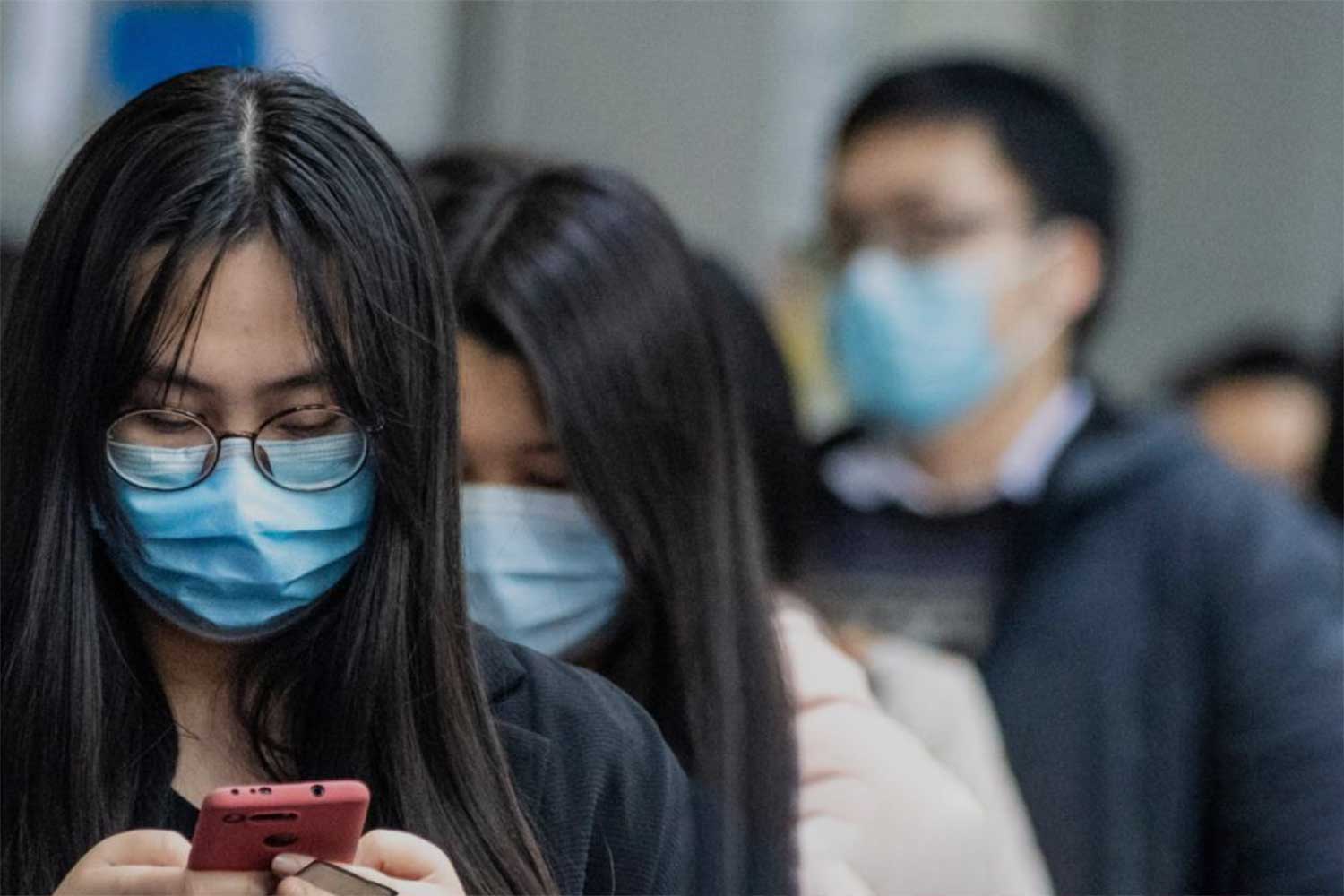
China was the leading edge of the now-global novel Coronavirus pandemic, facing rising infection rates as it worked to control the spread. While fear of the mysterious fast moving virus raged, China’s vast technology infrastructure shifted into gear, deploying tools for information flow, tracking, and access to daily necessities. In this webinar we hear from experts on China’s technology capability, how it was deployed, and what civic technology is in the works around the world.
Aspen Digital Executive Director Vivian Schiller moderates.
Lydia Lee is President of Weber Shandwick China and co-head of the firm’s global technology practice. Lydia is an experienced marketing communications strategist, and has worked with clients from a broad range of sectors, including Fortune 500 companies such as ExxonMobil, HP, Hyatt, Mars, Mastercard, Microsoft, Nike and Schindler. She has also guided and supported a number of Chinese companies, including China Mobile, Datang Telecom, GoLauncher and Z-Park, with their overseas branding and communications strategy. Lydia has spearheaded digital transformation projects for B2C, B2B enterprises in China and been instrumental in launching content2conversion solutions for B2B and distributor-heavy industries by embracing the very latest social, digital and mobile trends. Areas of particular expertise include B2B2C marketing communications strategy, brand and creative storytelling, corporate positioning and communications, and cross-cultural communications. Lydia is also a renowned workshop facilitator and public speaking, presentation skills, media handling and crisis management trainer. A frequent speaker at global forums and universities about China, Lydia excels at cross-cultural communication and leadership topics.
Gary Liu
CEO of the South China Morning Post
Gary Liu is CEO of the South China Morning Post, the leading news media organization reporting on China and Asia for more than a century. Gary is also the Chairman of the WAN-IFRA Asia Pacific Committee, a member of the INMA Board of Directors, and was named a Young Global Leader by the World Economic Forum in 2019. Prior to joining the SCMP in January 2017, Gary was CEO of Digg, spearheading the New York startup’s transformation from aggregator to a data-driven news platform. Previously, Gary was Head of Labs at Spotify, after joining the company as Global Director of Ad Product Strategy. Gary has also worked at AOL and Google. Born in the United States, Gary grew up in Taiwan and New Zealand, before returning to the American Northeast where he lived and worked for 20 years. He currently lives in Hong Kong with his wife Katrina, a pediatric dentist. Gary is an Economics graduate from Harvard University.
Andrew McLaughlin
co-founder and partner at Higher Ground Labs
Andrew McLaughlin is a longtime tech exec and public policy nerd. He is president/COO of a venture-backed architecture/engineering/design/tech startup aiming to transform the way we construct high-rise, urban buildings. He is a co-founder and partner at Higher Ground Labs, an investor, accelerator, and start-up studio for progressive campaign and advocacy tech. In the past, he was Deputy Chief Technology Officer for Internet Policy in the Obama White House; head of the global public policy team at Google; CEO at Digg and Instapaper; a senior exec at Medium and Tumblr; and VP of Policy at ICANN. Andrew chairs the board of Access Now, a global digital human rights organization. He has been deeply committed to US-China relations for more than two decades, working on issues ranging across Internet infrastructure and governance, freedom of expression and censorship, surveillance and privacy, national security, and economic partnership.
Vivian Schiller
Executive Director of Aspen Digital
Vivian Schiller is Executive Director of Aspen Digital. Over the last 30 years, Vivian has held executive roles at some of the most respected media organization in the world. Those include: President and CEO of NPR; Global Chair of News at Twitter; General Manager of NYTimes.com; Chief Digital Office of NBC News; chief of the Discovery Times Channel, a joint venture of The New York Times and Discovery Communications; and head of CNN documentary and long form divisions. Documentaries and series produced under her auspices earned multiple honors, including three Peabody Awards, four Alfred I. DuPont-Columbia University Awards, and dozens of Emmys. Schiller is a member of the Council on Foreign Relations; and a Director of the Scott Trust, which owns The Guardian. She is also strategic advisor to Craig Newmark Philanthropies.
THE BEST OF ASPEN DIGITAL, RIGHT IN YOUR INBOX.
Sign up for our email list to stay current on our work.


 Facebook
 Twitter
 LinkedIn
 Email