hello everyonewherever you are in the Worldum Good morning good afternoon goodevening uh welcome to the info sessionfor the 2023 digital Equity acceleratormy name is Zaki barzinji and I’m asenior director at Aspen digital where Ilead our work across a variety ofprojects that tackle the all-importantintersection of tech Equity Justice andunderserved communitieslast year we at the Aspen Institutejoined forces with HP to launch thefirst ever cohort of our digital Equityaccelerator now even though it was ourpilot year we were blown away by thesuccess of the seven incredibleorganizations we brought together fromthe United States Morocco and Indiaall of those organizations were alreadydoing incredible work within their owncommunities to fight for equalityJustice and shifting power back to thepeople who are too often denied it inthis digital ageour pilot year showed us that theaccelerator model was the right choicewhat’s so unique about our program andwhat you’ll hear more about in a secondis that we’re not just providingparticipants with a hundred thousanddollars in U.S cash and Cutting Edgetechnology from HP we’re also building aGlobal platform where communities acrossthe world can learn from each other andget access to the experts and resourcesthey deserve to take their projects evenfurtherthat’s why we’re so excited this year toexpand our program to include 10non-profit organizations with the focusthis time on Mexico South Africa andMalaysiain a few moments you’ll hear from hazamibaramada who is brilliantly leading theaccelerators work as she gives youimportant information about this year’sprogram and answers your questionsyou’ll also hear participants from lastyear’s accelerator program share theirown experiencesbut first it is my great pleasure topass it on to the incredible mariamakabia from HP to welcome you all andshare some words of encouragement thisaccelerator would not be possiblewithout hp’s support vision andcommitment to improving equality andjustice around the world mariyama pleasetake it awaythanks so much Zeki and hello everyone Iam so excited to join you here today asZeki mentioned uh HP has partnered withAspen digital now for the second year ofthe row to do the second cohort of thedigital Equity accelerator we were blownaway by the organizations that joined uslast year and we have no doubt that thiscohort will be exceptionalso at HP we have an audacious goal ofaccelerating digital equity for 150million people by 2030. partnering withnon-profits like those I’m sure that areon the call or a way for us to helpaccelerate that digital Equity so duringthis call please do not hesitate to askyour questions we’re here to support andvery excited to eventually meet you Iwill pass the mic to the director of thedigital Equity accelerator on the Aspendigital team hazami brahmadahello everybody so lovely to uh be withyou wherever you are in the world todaymy name is hazami bermata and I am alsojoined by Andrew Keller who you will seeresponding to all your wonderfulmessages and is the heartbeat behind alot of the work here at the acceleratorum we are really excited to walk youthrough a little more information aboutthe accelerator itself to answer anyquestions and hopefully provide you someinspiration as you work on yourapplications you’ll also have a chanceto hear from two members of our pastcohort and ask them direct questionsalso whether it’s about the applicationprocess or what we heard from thesession earlier today you know moreinformation around the fears maybe thehesitation that they had to apply andwhat they benefited from the programitself so I’m going to give you a quickcontext I know um Zeki also providedthis but this is this accelerator is inits second year and we do have a lot ofquestions as to whether we’re going torepeat some of the countries that weselected in the past year butunfortunately uh we’re not in the nearfuture in order to really think aboutglobal landscape and create a globalCommunity we are shiftingum this year to Malaysia Mexico andSouth Africa as the three countries thatwe’ll be selecting folks from so ifyou’re not from one of these threecountries or your primary work is notbased in therefeel free to register still on ourwebsite on our email list because wedon’t know where we’re openingapplications for in the coming years andwe may be headed your way so do not uhyou know just close out the applicationdo make sure that you sign up for ourregistration on our website and also wewill be hosting a lot of thoughtleadership conversations and eventsthroughout the year including demo daywhich I’ll get to in a moment towardsthe end of the year and you’re invitedto attend those virtually also so whatis our acceleratorum the accelerator itself is intended tohelp scale work that’s being donespecifically around the digital Equityspace and we’re going to get into whatthat means we know that that word isalso or that phrase rather meansdifferent things in different countriesso we’re thinking of for example digitalinclusion digital access and I want tostress and emphasize uh that when wetalk about digital Equity we’re not justtalking about digital as in technologywe care about a multitude of differentthings that have to do with people’saccess to knowledge of and engagementwith technology but the core focus ofwhat we are doing as an accelerator iswe care about the end product which issocial and economic Justice for All andwhat that means is that we’re reallyinvesting into non-profit organizationsthat are working on the ground to solvereal life issues that result because ofdigital and act in Access so for exampleif you can’t access quality education orQuality Health Care or qualitySocial Services because you do not havethe knowledge of how to navigate oraccess for example to the internetum these are all what fall under theumbrella and we’re going to go a littlebit into the cohort composition from2022 because that will give you a senseof the very very diverse applicationswhen it comes to how we Define digitalEquityum asking questions there should be a qa box that you guys have access to feelfree to type questions in there and wewill respond to them live and or we’llrespond to them in text we don’t answerall your questions or don’t get to themwe’ll try our hardest to we willdefinitely be following up in the emailaddress will be at the end of thepresentation so you can send that to usalsoso as I mentioned a little bit what isdigital Equity digital Equity equity forus really comes into several differentpillarsum it involves access to the technologyand the tools itself literacy knowledgeof how to navigate the online WorldKnowledge of how to use applications uhin places for example where everythingis digitized and we saw with covidincreasing dependence on digital toolswhere communities that didn’t haveaccess or knowledge on navigatingplatforms or Services fell further andfurther behind we are also reallyinterested in representation people thatare working to help connect marginalizedand underrepresented communities thesecan be ethnic religious culturallyminority communities and folks thathistorically have faced and suffered inequity in their communities this isindigenous populations women and girlsfor example elderly populationsum and the last pillar is digital Equitywhen it relates to skills giving peoplethe skills and the power to not onlyknow how to work in a digital world butalso things like educating nextGenerations or educating olderGenerations on how to navigate uh forexample access to services or cybersecurityour program so the accelerator itself isa six-month training program that isdedicated and really targeted at helpingtake a concept that’s already developedand you’ll see that one of oureligibility requirements is that youmust already either have a proof case ora minimum viable product what we mean bythat is we don’t necessarily want toinvest into organizations that are justjust have an idea we care that you’vepiloted a little bit of your idea thatyou understand how to scale the the ideathat you have and or that you’vedeveloped some type of plan around it sothat’s what we mean by to invest into anexisting and or proven digital Equityprogram we have several people haveasked us if that means that you have tohave an existing successful programwhile we do have a minimum reach of 25000 which I’ll get into in just a secondwe don’t necessarily expect you toalready have a thriving digital Equityprogram we’re here to help you scale itwe’ll help you we’re here to help youinstitutionalize and we’re here to helpyou sustain and think about kind ofsustaining and growth for the projectthat you have we do however require youto prove to us that you have a strongenough understanding and the capacity inorder to implement and execute on thevision that you’ve already establishedand that you already have a plan inplace so you can really benefit from thementorship and the technical expertisethat we bring to the tablepart of the program is a hundredthousand dollar capacity building Grantwe do not tell you how to spend thismoney we understand a lot of nor for nota lot of non-profit organizations accessto unrestricted grant funding is noteasy to come across especiallyoperations and staff based funding a lotof uh work and I’m sorry a lot oforganizations that do give grantsmandate how you spend it and operationsis something that’s often frowned uponwe do not get involved with how thathappens we do however expect you to showus the need for the financial Grant andtie that into your overall objectivewith your program digital Equity programyou also receive a hundred thousanddollars valued HP Technology Solutionsthis includes laptops printers and we’llget into some use cases with the 2022cohort who can talk to you through howthey used the tools themselves and thenthe last really big chunk of what weprovide is access to a robust network ofmentors technical advisors and subjectmatter experts you can look at thesepeople as kind of your informal board ofdirectors your board of advisors thatcould really help you not only fine-tunethe work that you’re doing but alsointerrogate some of your thought behindit help you really think about how tosharpen your messaging how to sharpenyour vision how to maybe think aboutfundraising diversifying your revenueand various other aspects so there’s apretty large array and and talent poolthat we do bring to the table when itcomes to technical expertise and we’rereally interested in providing you withopportunities to continue to expand onyour work we do not think theaccelerator is the be all end-all it’s astart point and our goal in putting youthrough our program is to help connectyou to additional resources and servicesand support and connections andconversations and potential donors thatcan help you continue to build on thework that you’re doingour entire program is virtualum so all of our meetings do take placeonlineand lastly the training is for theentire organization while we do ask thatone person be our focal point we doexpect that the organization iscommitted at the highest level and we doexpect for the different modules thatdifferent experts within yourorganization or different focal pointsattend the relevant sessions so thatthey can integrate the learnings in theof the accelerator into the work thatyou’re doing across the organizationthe curriculum itself is broken up intofour modules and again if I am speakingtoo fast or if you have any specificquestions please feel free to postum information or questions in the Q abox and we’ll get to thoseum but there are four primary buckets ofwhat we call modules for the programoperations and this includes Financegovernance and various aspects aroundHuman Resources management and so on thesecond is leadership we’re reallyinvested and interested in investinginto your leadership growth and theinstitution at large the organization’sleadership developmentum the third is branding and marketinghere we heavily also focus on yourelevator pitch and helping you tell yourstory some of the best organizations inthe world are so busy doing the actualwork on the ground that they don’tnecessarily step back and really figureout how to sell themselves we do knowthat also with more curated andcultivated pitches that people are ableto get additional grants for their workso we are very invested into helping youtell your story and show your value andyour impact and the last bucket isimpact and evaluation this is what willwork with you to really deepen your workon the ground the value that you add toyour community and really helping youunderstand how do you quantify andqualify the work that you’re doing thisis not just traditional metrics but thisis also looking at storytelling as a wayto talk about the value of the work thatyou’re doing and tied to the pitches weum we have seen a lot of research thattalks about the value of being able toquantify your impact and the and thedirect correlation that has withsuccessful fundraising for non-profitorganizations so we will help youthrough that entire process in additionto identifying your beneficiaries yoursecondary and tertiary beneficiarieswhich also is something that we’veidentified a lot of non-non-profitsstruggle with quantifyingthe the program itself as a successfulorganization you’ll be matched with amentor the mentor’s job is to help inessence hold your hand through thecurriculum and through the acceleratorand help you connect to additionalresources that we offer within theaccelerator this can be the technicaladvisors or additional mentorship ifneeded they’re also your sounding boardto help you navigate through your ownorganization’s development and growthhow to Pace your development whatquestions you should be asking how tostart thinking for example aboutengaging your staff on in differentconversations and so onthe next bucket of the curriculum is thetechnical experts the subject matter andTechnical experts are people that reallyExcel and focus on very specific thingsand the past cohort we had technicalexperts and we’ll um Re-Use some of thesame experts that really focus on thingslike financial literacy financialplanning fundraising strategy thinkingabout things like human resourceretention governance thinking aboutlegal Partnerships compliance andvarious other aspects these also arepeople that can help you with thingslike how do I build and scale how do Ithink about user design and so if you dohave a tech product which we do notrequire that you have a tech product butif you do have a tech product we alsoare able to provide support with forexample ux UI human-centered design asit relates to your pipelines and yourfunnels uh for getting people to useyour application but then or yourtechnology tool and then also continuingto engage people in sustainable use ofthat platformand the last bucket is the digitalEquity showcase the digital Equityshowcase is the culmination of theprogram that takes place in October 2023and what we do with the digital Equityshowcase it’s an opportunity for you asan organization on a global stage tomeet with other organizations potentialdonors partner organizations and Pitchyour idea and what you’re working on ourgoal through the Showcase is to create aplatform for you to connect withlarge-scale potential collaborators orinvestors and then really to socializewhat you’re doing on a global leveleligibilityum in order to be eligible you do haveto be registered as a not-for-profitorganizationum this does mean different uh things indifferent regions and so what we’reasking you to do is to check regardingyour eligibility you must be able toreceive funding from a us-based 501c3organization while there’s amazing workbeing done in the private sector we arenot an organization that acceleratesprivate entities we are specificallylooking at not-for-profit and non-profitorganizations the registration types mayvary and we can definitely address thatif you follow up with an email to ourteam but you must be registeredprimarily in Malaysia Mexico or SouthAfrica your organization can beregistered elsewhere as long as you havean active registration locally so forexample you could be a chapter or abranch of another a larger organizationyou are still eligible as long as youare locally registered and moreimportantly we are very interested inorganizations and you’ll see this in theeligibility criteria also on our websitewe’re interested in organizations thatwork to solve problems with localcommunities not for local communitiesand there’s a big difference there we’rereally interested in ensuring thatyou’re primarily focused on underservedcommunities but also workingcollaboratively with them to designSolutions so we don’t really want toinvest into organizations that are justpiloting in with an idea and a solutionand not really involving and engagingthe local ecosystem in a solution andthat’s because we really care aboutsustainability and we care about the Dono harm principleum we are also a criteria requirement isthat you must be thinking about digitalequity and digital access specificallyin the areas of Economic Opportunityeducation Access to Health Careum and uh really thinking about socialjustice as it relates to these topics sotrying to connect communities who areordinarily under connected or notconnected at all and the the criteriaaround the 25000 minimum beneficiaries these arecumulative numbers and I know we’vegotten quite a few questions around thatit’s not just in this past fiscal yearyou must have proven reach and provenimpact among 25 000 people alreadythat’s what we mean by you must have aminimum viable Pro product already or aproof of concept so we are interested inorganizations that already have proventhat they know how to work in thesespaces but are looking to scale andmaybe struggling with thinking about howto scale and what expansion programexpansion looks like and we’ll get intothat a little bit in some of ourexamples also lastly the program is inEnglish and so all instruction as partof the program is in English and yourteam and the representatives that arepart of the trainings must be proficientin Englishthe selection criteria itself and I’mnot going to get too too much into thisbecause this is very clearly outlined onthe application itself but the questionsthat we’re asking is do you do you havea need is your project idea goodcan you scale the work that you’re doingdo you have the right people around thetable to help you scale and build asustainable product and are you embeddedand connected to your local Targetcommunities and and these are some ofthe questions that we’ve asked throughthe application but that helps usunderstand not only your positioning butyour passion interest and ability toactually act on the vision that you haveI’m gonna get into introducing quicklythe cohort and you’ll see through thisthat we have many different applicationsas part of the 2022 cohort for digitalEquity note that the 2022 cohort onlyhad seven cohort members this year weare expanding to 10 organizations and sowe will have additional three spots butwe had digital empowerment Foundationfrom India and they were workingspecifically on digital literacy as itrelated to disinformation andmisinformation and they invested andused a lot of their Grant and also thehardware the HP Hardware to reallyinvest into what they’ve called womeninfopreneurs so it was providing jobopportunities for women through thesecenters that taught women digitalliteracy skills in order to fight onlinedisinformationa second organization was duartec fromMorocco that works to train and connectyouth from disadvantaged communitiesspecifically women and girls onentrepreneurship and digital literacydigital literacy skills to help withCommunity Development and digital equityfor youth is a us-based organizationthat specifically worked with youngpeople for marginalized backgrounds toempower them with digital tools to telltheir own stories so they use some ofthe technology around virtual realityand also training programs for youngpeople in schools in colleges and inlocal community centerseasta Morocco was based in Morocco andthey were specifically a platform thatworked with women and girls to providethem with access to stem training andthey as part of our cohort actuallylaunched a tech platform an onlineweb-based platform to enable them toscale their work uh Beyond just kind ofin-person events and so that was kind ofwhat they focused their digital Equityprogram on fourth wave Foundation basedin India was is working to empowerchildren to Disability and Special Needsspecifically within the education systemso a lot of their engagement with theaccelerator and their use of the HPTechnology Solutions were around helpingequip teachers and Educators with thetools they needed to then train studentsat scale specifically students that wereleft out of school systems mobilePathways and we have Posey joining ushere shortlyworks on leveraging innovative ways touse mobile mobile technologyspecifically to support immigrantsthrough the immigration process andyou’ll hear a bit more about their useof of the tools and the programs as partof Posey’s engagement here shortly andOasis who were also joined by Jordan isuh looking to expand and supporttraining for elderly populations andaging adultsum and we’ll hear a bit more from fromJordan an oasis Institute about abouttheir workso without further Ado I’m going to goahead and ask our wonderful Jordan andPosey to show us their wonderful facesum and hello Jordan and hello Posey uhso really quickly Jordan is the directorof virtual programs at the waistInstitute and he um is one of our cohortmembers and he’s joined by his wonderfullittle Henryum over there uh he’s the newest memberof our cohortum and uh he will talk to us a littlebit about Oasis and so Oasis isexpanding a new uh virtual platform toeducate and assist aging adults as theytake charge of their health and giveback to their communities and we’llreally quickly introduce Posey and thenwe’re going to open it up uh to a q awith them so feel free to pop yourquestions into the in the question boxbut Posey is the Innovation director formobile Pathwaysum and she was responsible for helpingleverageum not only the rest of her team butreally thinking about how to expand thework of mobile Pathways and I’m notgoing to speak on your behalf Posey butyou guys were doing some insanelyinspiring work to support immigrants andthe immigration process here in theUnited Statesso without further adoI am going to open it up to a q a andI’m going to go ahead and ask the firstquestion and this is a question thatwe’ve been getting a lot virtually oryou know by email from folks which iswhat inspired your organization to applyum what was your thought process goinginto it maybe we’ll start with you Poseyum thank you very much shout out to myuh folks from Malaysia as well um I havesome connections over there so I feelkinshipum what inspired us to applyum I don’t know if you guys know in theUSthere are a lot of undocumentedimmigrants and they’re oftenunderserviced and through our work inthe community we know about the needs weknow exactly what they need we needed away to scale up our operation and weneed a way to reach out to them andoffer them not just Hardware but digitalinformation so that they can makechoices andum so that’s what inspired our work andthrough HP and husband’s help we wereable to reach out and form a coalitionof other non-profits got them to allagree to execute to the same game planand at the end we all succeeded and umwe have a lot to be thankful for and umyeah that’s what God is goingwonderful and Jordan I know you came into the process your organization hadapplied prior to you taking over thereinsum so if you can talk to us maybe sinceyou joined the programum what was some of the the biggestlearnings and takeaways that yourorganization had from being part of theprogramum I think some of the biggest thingswere just kind of the the Frameworksabouta project I think a lot of times innon-profits we we don’t always thinkthings through 100 and you know peoplewe have this idea and this is on Missionand this is going to help so many peopleokay but how do we get there and beforethat is there even really a need forthis you know things like an m eframework are really helpful and so I’vetaken away a lot of those things andwe’ve used them in other projects thatwe’re working on so I feel like not onlyhas this helped us launch the digitalskills platform which is going great andwe’re hoping to reach a ton of peoplethis yearum I’ve brought this up on a ton ofother projects for other parts of ourorganization like our intergenerationaltutoring program our fitness programsum so it’s just really been invaluableum and I will tell you that you knowsome of the thought behind why we wouldhave applied for this and I can speakfor my predecessor Amy a little herewe’ve just always been passionate aboutdigital Equity finding ways to bridgedigital divide and since the main peoplewe serve are older adults age is kind ofa great equalizer we’re all gonna wellif we’re lucky we’re all gonna get olderone day and that causes its unique setof challengesum and so this was really right onmission for us it was a great fit and weare so pleased that we got to be a partof thisJose I’m going to ask you what are someof the unintended takeawaysum that you guys had what were some ofyour aha moments that you think theaccelerator helped you really get towell I think one of the biggest thingsthat I learnedum was that impact our impact is reallyreally a lot bigger than we had thoughtum I know one of the criteria is thatyou have to have a reach of 25 000. andwhen we were learning about how tomeasure impact we realized wait a secondwhen one person in the family receivesinformation the entire family benefitsso that is not indirect that is directlyimpacting the outcome of where uh howhow that family is going to survive howthat family’s happiness soum we devised a lot of differenttechniques to go and Survey ourpopulation so that we can quantify thesize of the family we can quantify thenumber of times someone has shared theinformation to their friends get otherpeople to enroll in the program andum through that we really understood ourpopulation the people that we really tryto help and uh how far our reach reallywas so uh that that was a nice surprisethat’s wonderful and I see a questionfrom Carla about the biggest challengethat your organization faced during the2022 program and if I could just maybeum enter a thought here tooum you know as we’re thinking about timecommitments for organizations I knowthat was one of the biggest challengesthat our 2022 cohort was you know hadwas investing time into the program andI know Midway through it became reallyclear why we were expecting folks toinvest so much time for example intotheir pitch where maybe at first thepitch conversations why are we investingso much time into this and it wasn’ttowards the end that we had many of ourcohort members saying oh wow I Nowunderstand how I couldn’t talk aboutwhat I was doing within a sentence or anelevator pitch and it took you knowgoing on and on and on and people’s eyesglazing over to understand what you weredoing or what the organizations weredoing so maybe I’ll ask youum Jordan to to maybe answer Carla’squestion around what was the biggestchallenge that your organization facedduring our programforeignI think one of the biggest challenges wefaced was kind of how we think about ourtechnology program in general and wherewe’re going forward in the futureum because this is something you knowwhen you’re an organization that’s beenaround for 40 years you kind of get setin your ways and so I think one of thebiggest challenges in getting all ofthis implemented with my team was kindof shaking off that inertiaum and I will in your defenses on methere is a time commitment but it’s nottoo onerous at least it wasn’t for meum so it is not too too tough to make itto all the things you have to dedicatesome time but it’s not like it’s goingto take you 80 hours a week so I thinkand they’re also very cognizant of thefact that many of us are runningmultiple programs and have to wear a lotof hats to make non-profits work soyeah and I would really stress too thatwe do have a minimum time requirementthat we do anticipate so we do um say toestimate around 12 hoursum a week or eight to twelve hours aweek and the reason we do that is thatthis is an accelerator it’s intended toum really I would say socialize you witha lot of new Concepts in a short periodof time and to challenge the way a lotof organizations think I think theproblem with so many non-profits and Ican speak as someone who used to runseveral non-profits in the past is thatyou get so caught in the rat race of theurgency of now that you don’t take astep back and really think aboutstrategy because you’re not afforded thechance to do so especially if you’re inthe service sector where you have reallypressing deadlines and timelines andsocial expectations where so for exampleInnovation and failing and all thevarious things that we talk about initerative design is not something thatnon-profits are afforded no nononprofits want to go to their donorsand say I’m so sorry I just spent ahundred thousand dollars innovating andit failedum we don’t have the same flexibilityunfortunately in the non-profit space sothis incubator becomes a safe space toideate some of these Concepts to maybelearn from failures of others toum really play around with differentconcepts and socialize them uh to thecore team to your mentor and to yourtechnical expert group and network withthe hopes that you can also step out ofthis processhaving really thought about what yoursustainability and expansion looks likein a safe space that’s a big takeawaythat we had from a lot of folks thatwere just didn’t have spaces to be openand authentic about their leadershipstruggles for example how do younegotiate with your board of directorshow do you sell your Concepts up how doyou manage a staff when you’re workingwith primarily volunteer staff these areall questions that we we make space forand allow for conversation aroundum I’m going to go ahead to anotherquestion I know um Luther had a questionum about uploading uh documents and soif you haven’t any technical questions Iknow Andrew is responding to folks inthe chat box but we do have an emailaddress that you can also send usquestions to if you are having anytechnical problems with the applicationitselfumtheum looking specifically also about therole of mentors I know that mentorshipis oftentimes a challenge for folksreally identifying the right mentor andfeeling like you you as an organizationcan’t really benefit from mentorshipdepending on where you are can you eachspeak to the value of the mentorshiprelationship and maybe any takeawaysthat you had from that processI guess I’ll startum I think with mentorship one of thebiggest things that you get is yourMentor may not be in your immediateum sphere of influence so your Mentor isgoing to be able to approach yourproblem from an outsider’s perspectiveand see it with fresh eyes and give youfeedback and potentially give you newideas that you’ve never thought ofbeforeand a lot of times we get into asituation where we only kind of hearfrom a small group of people that allthink the same way so we got a lot ofvalue from uh seeing a differentperspective that’s the most importantpartJordanyeah um and I think what Posey saidthere is right on the moneyum I think I had a weekly meeting withmy main Mentor Laura during thatum accelerator and it was wonderful andat first it was a little tough and youhave to kind of develop a thick skinbecause she really asked a lot ofprobing questions and you know well whyare you doing this and why are you doingthat and some of it’s things that Ireally thought I had the answers to butyou really need to think about thesethings and really develop that strategyum the other thing that was really coolis I really just admired Laura sheworked on Amazing projects you knowum Health Data projects in sub-SaharanAfrica that turned out to be hugelysuccessful where she could you knowtransmit data with very very smallamounts of infrastructure and they haddeveloped all these Cool Tools and aframework for online charitable programsand so I kind of had a whole checklist Icould go through to say okay what do weneed to do let’s think about productlife cycle and all these things that wedon’t think about in nonprofit and so itwas tremendously valuable to just reallybroaden my AI understanding and this isa lot of Concepts that you know I havean MBA and we learned about a lot ofthis stuff in business school but it’snot really how we think in non-profitsso it was really really kind ofeye-opening and I apologize I must havejust gotten an Amazon package so let meno worries and and um Eduardo I see yourquestion around your non-profit and Ithink Andrew’s also responding to it butwe definitely have a very expensiveapplication and understanding of digitalequity and I went through some of theorganizations from the past yearum we are not wedded to this idea ofTechnology as the BL end-all technologyis a means to an end digital access is ameans to an end the definition ofdigitalum what we call digital also access andinclusion we care that you understandenough and more importantly understandthe concept enough and more importantlywe are really interested in making surethat you integrate all three parts ofour program into what you’re trying todesign you must prove to us that youhave a hardware need and that you canuse the hardware to apply it to the workthat you’re doing the um the fundingalso you you have to show us that youhave a need and that that funding willbe put towards helping Advance yourdigital Equity project itself and orprogram him and lastly is that you’rewilling to invest the timean effort into being an active part ofthe cohort itself so we beyond thatdon’t really overly prescript or Definehow digital Equity is uh uh representrepresented or reflected in yourorganization apologies it’s been a verylong dayum Posey I’d like to ask about thehardware I know that’s a question thathas come up around the hardware how didyour organization identify the hardwarethat you needed and how did you deployitwell it’s going to sound very dumb butwe asked we went into our partners andwe asked for the specific use cases asto how they think Hardware is going tohelp so we came up with use cases and weidentify the ku’s case of people needingto go into the field and do communityoutreach so laptops projectors printerscolor printers so that they can reducethe operational cost of advertising orprinting pamphlets uh things like thatso we asked for specific use cases wegot that back we organized it and it wasa great way to force them to think abouthow they can utilize the the hardwareresourcesJordan um I’d love to get more insightsfrom you on how you all identified yourHardware needs and then implemented themyeah so originally my predecessor had aplan which we’ve implemented ofDistributing 40 laptops around thecountry for people to access our digitalskills portal so that’s at Oasis centersand partner organizationsum that left us a lot of Hardwarebecause of the chip shortage andeverything we didn’t get all the stuffwe asked for but they gave us the moneyinstead which is just as goodum so we’re gonna we’re working onways to deploy equipment atcommunity-based partners and so I’mlooking right now and this is one of thegreat things about this accelerator isthey really give you some flexibility soI’m looking right now at use cases foreither a full-fledged Windows 11 laptopgoing to food banks and homelessshelters and places like that wherepeople can do some community-basedlearning on the system or we might useChromebooks because then we couldtheoretically do you know five times theamount of equipment out in the field soI’m working on a plan for that we alsoand they’re very generous I got a nicenew laptop we got new laptops for the ITteam we got a server that we needed andall of that kind of helps the project onthe back end so they were very flexiblewe still have some of those funds toexpend and I want to be reallythoughtful about how we can be a littleInnovative and get the most bang for ourbuck with that equipment because that’sthis is something that almost neverhappens you know one is the unrestrictedoperating dollars two isyou get this equipment too and a lot ofpeople don’t want to invest in your I.Tinfrastructure funders so it really hasbeen very very helpfulyeah and that’s a question that we getasked isum the theuminventory of what’s available and that’ssomething that we will be um sending outmore information on but we would like toknow from you how do you plan to useum hpe technology and that itself isvery important for us because again wewant to make sure that the connectionthere’s a connection between how youdeploy the various aspects of your workbut we are very we’re not telling youhow to use it and there’s no right orwrong way in which you can use it youcan you know build as Jordan mentionedStaffing um your team with properum Tech tools computers laptops printersand so on but then also you know in thecase of various of our otherorganizations they also deployed thesethrough information centers throughuniversities to schoolsum to staff field staff we just want toknow from you how I know there’s aquestion around that the the answersthemselves are only a hundred words weintentionally want you to be able totell us what you’re doing in a limitedamount of words we have found thatorganizations oftentimes times can’tarticulate what they’re doing well andit makes it really hard for us tounderstand and assess what you areactually working onso the question aroundum you know how do I talk about what I’mdoing in 100 words we’ve broken up theapplication into numerous questions withthe goal of or with the hopes thatyou’re able to answer different parts ofit broken up into different sectionswhich will not only help us with theevaluation but it will help us make surethat you understand what it is thatyou’re doing and you’re able toarticulate that clearly directly andsuccinctlyum there’s a question aroundbeneficiaries and how we Definebeneficiaries we are really interestedin ensuring that you are obviouslycreating a positive impact on the groundbut we are identifying for theapplication period itself we areinterested in reach not directly thepositive impact which we’ll get into ifyou’re part of the the cohort itself butright now we want to ensure sure thatyou have the ability to reach 25000 direct beneficiaries and or sorrydirect reach to folks within yourecosystem this means if you’re launchinga platform or you already have aplatform or the work that you’re doingum to train and educate that you reachuh 25 000 people with the currentinfrastructure that you have this is acumulative number this is not within thelast fiscal year so we want to ensurethat you already have as I mentioned aproof of concept and socialized and havedeveloped enough of a foundation as anorganization that you are able toaccelerate the work that you’re doing soagain we’re not a startup incubator oraccelerator we are you need some type ofa proof of concept so I don’t know ifthat answered your question around theum how flexible the definitions are butthat’s what we mean by thatum I think that was Gina yeah Gina Ihope that answered your question if youhave continuing questions on this feelfree to email us backum and ask but you’ll see in theapplication itself we ask you who yourbeneficiaries are how you quantify themhow you identify them uh we want to geta sense from you that you understandenough of your demographic and how towork with them and engage them that youcan benefit from the resources that weoffer so hopefully that that answersum your question thereum any other questions I am uh seeingsome questions from Luther but I thinkthat uh we’ve responded to most of thoseyes Andrew’s responded to all of thosequestions thus farum I’m going to ask a few uh a few morequestions and then if we don’t have anyquestions in the um the question boxI’ll direct those if they come throughbut I want to ask about the applicationum did your organization hesitate toapply and how did you navigate theapplication itself specifically you knowmaybe addressing the question Around TheLimited uh input spaces uh Posey willstart you are reading my mind you’re apsychic I wanted to say that theapplication process itself is supermeaningful and super helpfulthe process it forces you to think aboutyour organization the answers you’reproviding that you’re crafting ishelping you to craft your elevator pitchyou can immediately turn that around anduse it in other formats things like yourwebsite things like your frequentlyasked questions things like otherapplications for other programs this isall part of building up your digitalasset that describes your organizationand clarifies your objectivesum so absolutely go through it pleaseforeignI know you were not around for theapplication uh period itself but I Ireflecting back I’d like to askum do you think your organization at thetime I don’t know if you have thatinsights hesitated to applyum and looking back now I know youreally worked on your elevator pitchquite a bit and your presentation came avery far away how do you think theprocess of being concise with yourresponses and your in your pitch helpedyour productyes so I know a little backgroundum and I know that when we first went inmy development director Lindsay um whenshe first went in she was kind of happybecause it’s not really long we read alot of government applications andwriting those grants can be severalhundred Pagesum so we like that but then I do thinkthat it was a little challenging to getyou know to get things concise enough toreally paint the right picture but Iwould agree with Posey that I wasn’texactly part of that process but whenyou make that concise statement and youcan really say this is exactly whatwe’re doing and we’re not going to getdistracted it’s super valuable and itreally will help you develop some visionfor where you’re going as anorganizationum so yesand I know we both uh you both touchedon the beneficiaries uh comment but I’dlike to unpack that a bit more when itcomes to how did you specificallyum you know as you approached your workinitially and then through the programitself how did you defineyour beneficiaries and or your reachPosey maybe we’ll start with yousoum so right away we knew that if Idirectly reached somebody on their phonethat’s one touch pointbut the information I’m sending themthatum they have immediate benefit rightaround them we count that as reach wespecifically said we are not going tocount the reach of the stuff thatthey’re doing Beyond I can’t qualifythat so I’m not specifically countingany of those so we went through theprocess I really think about where wherewe were delivering value where we couldsurvey where we can actually get datapoints back and it really challenged ourdefinition ofum of impact and um and it drove a lotof our subsequent survey and dataanalytics work and this year we’re goingto be focusing on analytics so all thatis all part of the foundation of how weunderstand our populationand um I think that one of the biggestbenefits we got actually is how wemeasure the benefits of our programsum because we have always done you knowgenerally when we get Grant funded forsomething it’s veryit’s very you know we will have 600people take this class by this date andwe get paid for completion or somethingso it’s very simple but when we’rereally looking at the impact we makeWhen We Touch an older adult’s life andwe make their life better we impacttheir health in a positive way that hasRipple effects to all the people aroundthem be really Quantum impact is youknow we know people that are completingthe surveys we have their demographicsum but for each one of those people weestimated to be about 7.9 other we couldmultiply the number by 7.9 to get theindirect impact because it’s things likeyou know their younger children andgrandchildren if they get connected totechnology and they can talk to them onFaceTime that can reduce a lot of worryon people maybe they don’t have to govisit Grandma seven days a week butmaybe we can FaceTime and everybody’shappyum and so those kind of things and beingable to say that that’s something we’veadopted in a lot of our other programsyou know we’re saying in ourintergenerational tutoring program whenwe touch that one kid from adisadvantaged community we are havingRipple effects in that community so it’sreally the concept of how we measureimpact is one of the biggest mostimportant parts of this to me and it wasvery very eye-opening it was a toughexercise to really get it nailed downbut once we got it nailed down we feltgood with it it’s really great to beable to say yeah we have huge impactit’s not just the people who sit hereand take a classsowe have a question about the grandfatherhow your organization used it and and toanswer the second part of your questionEduardo there is no matching fundingrequirement it’s a unrestricted Grantand we have no matching fund requirementbutum they’re curious as to how yourorganization used the grant fundingum do either of you guys want to answerthatsureum a lot of it Bolivia is Operation anddevelopment fundingum for a non-profit is actually verydifficult to have a predictableum spend rate a lot of times you arejustputting pennies together trying to getthrough the next month or trying to getthrough uh the next fiscal period sohaving this predictable stream allowedus to grow in a point where I can hire adeveloper or I can hire an analyst orsomething like that and that all gotowards the operational costum Hardware obviously directly went towe also did a tiny little bit of regrantas well to help people train upum and uh and help us cover some of thecosts all that strengthened ourrelationship with our partners andhelped us get closer together and helpus connect with all our partners andbeneficiaries so yeah you can get verycreativemm-hmm yeah and I will um that’s one ofthe great things about this grant youknow for us we probably spent about halfthe money on web hosting and a new learnDash learning management systemsubscription and then paying ourcurriculum developer to really geteverything up there nice and pretty andwe’re working on translating intoSpanish with part of our money so I knowwe have some people in Mexico here maybewe could work together in the futureumbut we got to spend the money on a lotof things just like Posey that werereally helpful I was able to cover partof my salary some of our I.T team someof our finance and operations team andthose are people who work very closelyon pretty much every project we do butoftentimes they’re not included in thefunding and that’s one of the challengesfor nonprofits which is why this fundingis so different and so greatum for us to be able to cover some ofthat stuff was really really helpfulbecause normally you’re doing it on ashoestring they’re giving you you know xamount of dollars for direct expensesand maybe 10 indirect and you got tomake it work but this was a lot morecomfortable than that which is wonderfulwonderful and I know um we have a fewquestions around cumulative impact wewill be following up with a email toeverybody to describe a little bit moreabout what we mean by impact and reachum since that is a questionum that many are questioning but I wouldsay on the most part if you’re um on thefence about applying apply anywayum we are extremely excited to work withInnovative and creative organizationsum we are an incubator we don’t expectyou to have it all figured out or wewouldn’t help accelerate organizationswe want organizations that are adaptableenough to benefit from the curriculumbut have a strong sense of of whatthey’re trying to do and also havestrong values that are connected totheir local communities and center thecommunities that they’re serving at thecenter of the work that they’re doingbeyond that I strongly encourage you toapply and not to be intimidated byum you know who your beneficiaries areor for example you know how you quantifythem these are all things as you heardfrom both Posey and Jordan that weactually support your development aspart of the the program itselfbut again just show us that you have astrong enough understanding and a strongenough proof of proof concept and astrong enough product that you’re ableto build on itum we do also require you to have theinvestment and commitment from your teamat large so if you are not the head ofyour organization to have the investmentand commitment from the head of yourorganization and that’s to ensure thatwe can deploythe right staff time in order to executeand to train the right people in yourorganization to be able to implement thelearningsum I’m curious as we’re kind of comingclosing out on our time first offmariama and Zeki and Andrew if you haveany questions or things you’d like tocontribute please Jump On In to thisconversationum but as we’re really thinking aboutkind of words of encouragement you knowas we close out Posey and Jordan isthere any other kind ofum learnings that you’d like to share ormaybe tips or advice for somebody thatmight be on the fence on applyingokaydefinitely apply don’t think about it gothrough the process let the applicationchallenge youandlet’s see let’s see what you gotyeah and I would Echo Posey sentimentsthere I mean there were parts of thisthat were extremely challenging justlike a lot of things we do in non-profitbut it will change your organization forthe better you also get a chance to youknow hearing about Posey’s project andsome of the other people that were partof the cohort it’s really inspiring itreally just it gives you that good warmfuzzy feeling that nonprofit is supposedto give you too so that’s anotherbenefitand just to remind everybody theapplication uh deadline is the 23rd ofJanuary 11 59 PM Eastern Standard TimeThat’s Washington DC time zoneum that it translates to differentthings based on the geographies butplease do note the time zone is EST soaccommodate for that so in South Africathat would be 659um am the following day the 24th ofJanuary and in Kuala Lumpur that wouldbe 12 59 PM the following day also so doaccount for that when you’re thinking ofthe application timeline I know there’softentimes a big rush towards the end ofgetting applications in but theapplication closes in a little under aweek so we strongly suggest you at leaststart your Draft application maybe workon an offline version of yourapplication so you can really thinkabout breaking down your answers acrossall the different questionsum when you look at all the questionscomprehensively it does give us acomprehensive understanding of yourorganization so it might seem like oh mygoodness it’s only a hundred words butyou’d be surprised when we put thatpicture together of all the differentinputs we do get a pretty strong senseof your organization and the work thatyou do the value that you add and yourvision and goals as an organization sotake the time to to do that and you knowwork on an offline version of theapplicationum that’s what I would strongly suggestthat you do and if you have anyquestions if you’re having any issuesuploading our email addresses on thescreen feel free to email us we’llrespond back as soon as quickly as wecan and again the application link is onthe screen also so if there are noadditional questions we’ll hang tightfor for just a few minutesum if anyone has any additionalquestions okay Carla do all team membershave to have Proficiency in Englishum they’re if your organization has alarge array of people that will not bepart of the training or program thenthey can not have proficient Proficiencyin English but anybody who’s actuallypart of the curriculum or being trainedor the focal point from yourorganization to our accelerator doeshave to have Proficiency in Englishbecause all of the curriculum andtraining is an English language image sojust to stress that but we do anticipatethat you’ll have local field staff orlocal Partners or collaborators that maynot have Proficiency in English and thatis absolutely okay and we expect thatum but the the operating members of yourteam that will be part of the trainingitself because the curriculum is inEnglish do have to have a minimumProficiency in thatso hopefully that answers your questionand there is no minimum a maximum numberof members in the organizationum but we we want to make sure that youif you do have an organization that’s abit larger that we are able to engagethe right people in the differentmodules that’s relevant to theirspecific workflow especially if they areinvolved with the implementation of thedigital Equity product that you arepitching to be part of the acceleratorbut we do work with lean organizationsalso so we don’t we don’t have to be aspecific organizational side some of thesmallest organizations we have actuallyhave some of the biggest impact uh andthe biggest reach numbers surprisinglyor maybe not surprisingly but that was aa great takeaway that we had from thislast cohort tooso without further Ado as we’redwindling on time thank you everybody uhplease do uh take note of theapplication deadline send us an emailand a huge thank you to Jordan and Poseyand mariama and Andrew and Zeki it islate in the evening for many uh of thefolks on this this call and early in themorning for others so thank you all foryour commitment and we look forward tohopefully welcoming some of you into ourcohortforeign everybodyadios thank you great night
Globally, nearly three billion people remain offline. Despite increased innovation and expanded connectivity, gaps in digital access are growing between wealthier, more connected, groups and lower income, often marginalized, communities.
A multi-year effort led by Aspen Digital and powered by HP Inc., the Digital Equity Accelerator invests in not-for-profit organizations and NGOs actively addressing social and economic injustice in their communities resulting from unequal technology access and usage. Organizations from Malaysia, Mexico, and South Africa are invited to apply to the 2023 Accelerator cohort now through 23 January.
On 17 January, Aspen Digital hosted two information sessions to support potential applicants. These sessions:
Showcased what participants in the Accelerator will receive and how they benefit
Allowed organizations to ask questions about eligibility and the application process
Provided the opportunity to hear about the 2022 cohort
The benefits of participating in the 2023 cohort include: a $100,000 USD capacity-building grant; another $100,000 USD worth of technology solutions provided by HP; and access to a robust network of international leaders, mentors, and coaches with expertise in technology, social innovation, non-profit management, and social impact. Additionally, the Accelerator will provide the cohort with opportunities for visibility on a global stage, including connections to local and international media.
Speakers
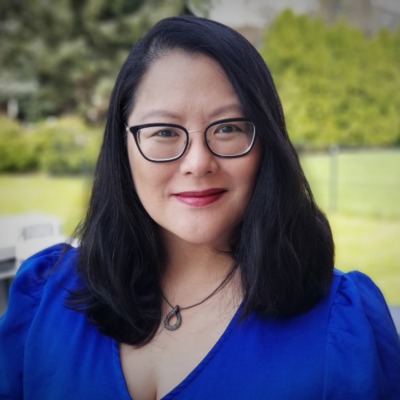
Poesy Chen
Innovation Director, Mobile Pathways
Poesy is a seasoned innovator with over 20 years of experience digitally transforming companies of all sizes. From nonprofits to international brands, she succeeds at leading complex projects and designing flexible solutions. She currently specializes in Salesforce and mobile messaging solutions.
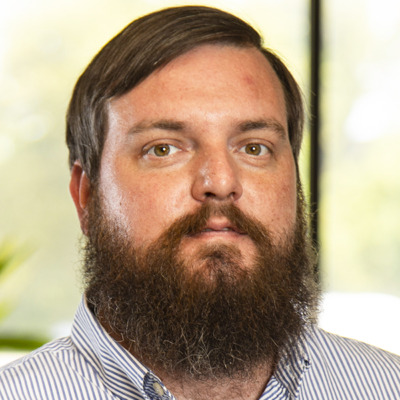
Jordan Carr
Director of Technology Education & Oasis Everywhere, Oasis
Jordan Carr is the Director of Technology Education and Oasis Everywhere. Jordan joined Oasis in 2015 as analyst intern, then transitioned to a new role as Oasis Everywhere Virtual Learning Manager to help launch Oasis’ virtual program during the early stages of the Covid 19 Pandemic. Jordan took on his latest role as a director of technology and virtual learning in summer of 2022 and is eager to grow both programs using his knowledge of and experience in business management, finance, and data analysis. Jordan has a BS and MBA in Finance from the University of Missouri – St. Louis. Prior work experience includes asset management for a wealth planning firm and sales management as a diamond wholesaler working with jewelers across the country. Outside of work Jordan enjoys being outdoors, cycling, fishing and spending time with his family.
{"includes":[{"object":"taxonomy","value":"135"}],"excludes":[{"object":"page","value":"1282"},{"object":"type","value":"callout"},{"object":"type","value":"form"},{"object":"type","value":"page"},{"object":"type","value":"article"},{"object":"type","value":"company"},{"object":"type","value":"person"},{"object":"type","value":"press"},{"object":"type","value":"report"},{"object":"type","value":"workstream"}],"order":[],"meta":"","rules":[],"property":"","details":["title"],"title":"Browse More Events","description":"","columns":2,"total":4,"filters":[],"filtering":[],"abilities":[],"action":"swipe","buttons":[],"pagination":[],"search":"","className":"random","sorts":[]}
Growing up online doesn’t come with a manual. Youth today are navigating a digital world filled with both possibility and risk. Join us for a convening to address the urgent tensions between youth and technology.



 Facebook
 Twitter
 LinkedIn
 Email
Email