hello everybodymy name is vivian schiller i am theexecutive director of aspen digital weare a program of the aspen institutewhich focuses on all things at theintersection of mediathe internet and technology thank you somuch for joining us todayso you only have need to look around toknow that we are living invery difficult times from increasedpolarizationracially and ethnically motivatedattacks conspiracy theoriesskepticism towards expertise it is notan understatement to say we are acountryand in many ways a democracy at riskearlier this year we at aspen digitalannounced the creation of thenonpartisancommission on information disorder itspurposeto examine our current informationecosystemand develop near-term actionablesolutions to the most pressing issuesas well as as a set of recommendationsfor the longer termover the past three months thecommission has deliberatedin virtual meetings every two weeksheard directly from scores of expertsfrom a diverse set of backgroundsand studied literally hundreds andhundreds of pages ofarticles and papers and today thecommission co-chairs have releasedtheir interim report it sets forth thepriorities the commission will now focusonfor their recommendations which willcome out in early fallthe commission is comprised of 18membersrepresenting a diversity of perspectivesexperienceand expertise we are pleased today tohave with us today thethree co-chairs who have been leadingthe effort and i want to welcome themnowwe have with us katie couric she is ofcourse an award-winning journalista leading advocate for cancer researchand awarenessand a new york times best-selling authori might mention she is likely to be abest-selling author again this bookthis fall when her new book comes out solook for that she has been pioneering inso many ways including as the firstwoman to solo anchor and network eveningnewscast15 years as co-anchor of nbc’s todayshowand now running the katie couric mediawhich she founded and it does everythingfrompodcasts documentaries newslettersevery kind of media imaginable we alsohave with us rashad robinson he is thepresidentof color of change a national racialjustice organizationdriven by seven million members that’sfocused on ending structural racismand affecting systemic change in manydifferent industries that afflictaffect black people’s lives rashad hasnegotiated with big tech companies headon and organized the seven billiondollaradvertising barcode of facebook lastyear focused on facebook’srole and accelerating the spread ofdangerous misinformationand finally we have christopher krebschris was president donald trump’schoice to be the first director of thefederalcyber security and infrastructuresecurity agency otherwise known as cisaas director he oversaw cis efforts tomanage risk to the nation’s businessesand government agencies and tocollectively defendagainst cyber and physical threatswelcome to all three of our co-chairsit’s so nice to see you herethank you so okay let us getuh we’re going to get into the threepriority areas uh butfirst let’s just set a little bit ofcontext andjust a reminder to the audience um we’regoing to have a conversationuh i’m going to have a conversation withthe three co-chairs for a little whilebut a little bit later in this sessionwe’re going to takeyour questions so at any timeif you go to the bottom of your zoomscreen those are that are on the zoom ifyou’re on youtubei’m sorry you won’t be able to askquestions directly but if you’re on thezoomclick on the q a button and please justaddyou can do it anytime now even thoughwe’ll get to them later add yourquestionand if you are comfortable doing soplease mayuh list your name and affiliation it’sjust always interesting contextokay but we’ll get to that in a littlebit all right katie let’s start with youso um my first question for you iswhy did you decide to join thiscommissionbecause you kept nagging me vivianhi everyone um welcome to those of youwho are joining usum and vivian thank you for for thatintroduction you knowi’ve been a journalist for more thanfour decades nowum i’m embarrassed to say and uhyou know given fragmentation theproliferationof sources the democratization of mediathe multitude of outletsthat are now currently available um youknow ii had witnessed some pretty disturbingtrends in the medio ecosystemum a people gravitating tosources of information that confirmtheir biasesin other words getting affirmationinstead of informationas a friend of mine once said engagementthroughenragement something that kara swisherandtold me about or first mentioned and seetechnology that basically uhcurates content through algorithmfeedingconsumers the kind of content that theyseem to want to have orwant to consume but don’t necessarilyneedto consume for sort of a fulsomelook at the world and the issues aroundthem soum you know meanwhile i think there’sbeen suchi also witnessed a big blurring of newsand opinion leaving the impression thateveryonedelivering the news or writing about thenews hasan agenda so um justas society has become more polarized ithink where you get your news andinformation has become a proxyfor your political ideology so facts aredisputed and manipulated and amplifiedthere’s rampant truth decaysomething the rand corporation talkedabout in 2018and it is resulting in unprecedentedpolarization andthat is as vivian you mentioned a realthreat to our democracy and any kind ofshared vision for our country so i thinkpeople are always going to havedifferent opinions we live in amulti-cultural pluralistic society we’renever going to beholding hands you know singing from thesamepage and and basically you know singingkumbayabut i do feel that there are things thatwe can do to keeppeople from falling victim to falsehoodsand blatant misinformation that hashuge impact a huge impact on on theirlives and on our institutions so i wasreally excited to be a part of acommissionwith incredibly smart people withexpertiseand all kinds of areas so i could reallyunderstandthe root causes of why disinformationis such a huge part of our our societytoday and what if anything we could doabout itthanks thanks katie um you know a lot ofwhat you’re describing and what we’reseeingindividual elements of it are are notnew sochris a question for you like i saidwe’ve seen some of this before whatwhat is different about today than inpast yearsuh thanks thanks for that vivian i thinkuh you know i’ve joked about it beforeum that propaganda disinformationmisinformationas a profession is probably the thirdoldest profession in the worldthe second being intelligencecollections intelligence operationsand when you think back over the last100 plus yearsuh in in the the protocols of the eldersof zion that was actually a russianuh information operation 1903 that bookwas releaseduh anti-semitic in nature so thesethings have been around i think what’sdifferent now thoughis the it it’s the velocity of theinformationthat’s being presented and consumed it’show we consume ituh it’s how uh individual actors areabusing the process and in flooding thezone so to speakand really there are very fewconsequences or risks for engagingin this sort of bad behavior and thatcreatesuh incentives to enter for profitfor uh power for you knowkicks it all kind of depends on thedifferent set of objectivesand so as you sit back and look at ityou know when i entered in government in2017when we were thinking about theprotection of elections anddefending democracy the initial conceptsthat we wereorganizing around were more on thetechnical side it was the cyber securityof the systems but as it as we dugdeeper and deeper into a what happenedin 2016 and bwhat to prepare for for 2020 it wasclear thatthat there there are a different set ofrules for the technical side for thecyber securityside and the rules are more diffuseunclear and again the risksare much much lower on thedisinformation sidewhich leads to a proliferation and so in2016the russians wrote the playbook forinterfering with democracyand it gave rise to a host of actorsboth foreign and domesticto be able to enter in and franklyweaponizeour information sources which hasseparately beencomplicated by a sprawling diverse setof uh you know in some casesquestionable provenanceof of the information sources we’regetting and then the last thing i thinkyou know my theory at least is that thelast 18 months to two yearswith with covet and how our communitieshaveuh become much more siloed and insularthat we’ve lost that touch we’ve lostthose anchorpoints that we have with our neighborswith our families with our friendsand we’ve seen people go down very verydeep holesuh in uh the in search of disinformationconspiracy theories and the likeyeah you know you talk about uh rashaduh you know when we talk aboutwhat’s different now than before youknow as chris touched uponyou know we didn’t have in past years wedidn’t have social mediahow much of this in your view is socialmedia versusuh or or is it mainstream media or is itsome combinationof uh a cycle of the kind of media thatthat is all around us todaythere you go um so you know traditionalmedia i think bothnews and entertainment have alwaysspreaddangerous misinformation especially whenit comes to black people andother communities of color with seriousconsequencesall across history right traditionalmedia has justified systemic racismum has denied its existence they’veriled people uh to violenceagainst our communities they’vesupported predatory advertisingand but any gains that we have made inthose industrieshave almost been completely wiped out bythe rise of unaccountable social mediacorporations setting us back decadeswe see lies about black people attackson black people and communities of colormissand disinformation being delivered toblack people and at the same timeum for other communities as wellum it actually all works in coordinationum often explicitly and intentionallywith extremist talk radiouh cable news newspapers websites umadvertising channels and no matter whattech executives want us to think abouttheir valuesthey work every day in service of theseextremist goalsaimed at destroying the fundamentals ofa multi-racialuh democratic society so there’s racismcodedin tech platforms like home sharingservices or job sitesand then there’s this proliferation ofracially driven contentmeant to spark both political umand violent attacks on people of colorwhile creating complete disorder in ourdemocracyand health systems and more which isenabledby the main uh search engine on theinternet and allthe major social uh media platforms theyhave become the largestengine for spreading violent and racistpropaganda in societyand we can’t hide from the plain truthof their what their impact has beenbut i think it’s important that we don’tthink that there was somesort of good old days in a country thathas constantly had to evolveconstantly had to push constantly had tofight for more people to beheard and seen and counted regardless ofwhether we are privileged or vulnerablein the majority of the minority or infavor or out of favor with whoever maybe in powerbut like um my uh fellow cultures havesaidthe sort of environment we are in rightnow um and the nature of how quickly allof this moves has createda new level of challenge um and i thinkthat that is whyum the urgent nature of the work we’redoing is so incredibly importantyou know those challenges exactly thosechallenges are exactly what uh thecommission is trying to addressso let’s now talk about the threepriorities that are part of thereport that we just released and i’llask my colleagues to pre dropa link to the report in the in the chatfor those of you thatso that you can you know read it umafterwards so we’re going to take themone at a timeso first up our first uh thecommission’s firstpriority area is reducing harm so christalk to us a little bit about that firstpriority areayeah this was the natural place to startfor the commission i think reallygetting our arms aroundhow disinformation and the informationdisorderecosystem in general manifests acrossour communitiesuh across our political institutions inour neighborhoodsin our families and globally um andand that was uh that was where we spenta lot of time in the first three monthsand and so naturally as a groupone of our top priorities had to bethinking through what are the what arethestructural engagements the levers thatwe can pulland we can uh you know task out or askthrough our recommendations groups totake on boardto reduce those harms you know rashadtalked abouthow communities of color aredisproportionatelyaffected uh and it goes obviously farfar beyond thatuh there are gender issues uh politicalissueswhat we saw i know in government froma again going back to 2016and these aren’t even the electionrelated issuesthese are more just sowing uh chaos anddivisiveness and undermining confidencein leadership andourselves the russians in particularwere targetingall sorts of uh what would they wouldsee as divisive issues within ourcommunities and sowhere we’re going uh is looking at allthe harmful informationuh that we’ve seen out there whetherit’s vaccines uh that those pose topublic healthuh the big lie uh in last about lastnovember’s election outcome and the riskthose poses tofree and fair election and again we talkabouthow do we uh reduce harms on the frontend from a prevention perspectivebut also we’re going to need to look atfrom a recommendations perspectivewhat are some of the consequences thatcan be attached to those that engage inthis harmful behavior i’m not surehow many of y’all were tracking the thehearing yesterday up in detroit michiganabout the big lieand in the crack and lawsuits uh butthat isin my view uh you know the damage hasbeen done inthese uh you know a sanctions hearing ummay be a little uh too little too lateso how do weuh introduce mechanisms that are uhearlier in the process for reducingharmsuh and ultimately uh as rashad againmentionedeverybody is being harmed bydisinformation so we’ll take a look atthe various levers whether it’sgovernment or on the platform sideuh and what are the policy uh policiesin place that continue to propagatethese issuesuh what are the automated systems thealgorithms in place uh for the worstoffensesand so as we continue to look atuh the various players uh we we suspectthere will be a number ofrecommendations that are immediatelyactionableuh on the reduction of harms as well aslonger term uh recommendations that willtakeuh so a good bit of additional work downthe roadokay great thanks uh thanks chris sothat was priority onepriority two transparency rashad talk tous aboutthat second priority area yeah soessentially this priority is aboutimproving access to platforms practicesand takinguh a deeper look at the informationenvironmentand its interdependencies we think thisis criticalthe fact is the platforms have beenaround for nearly two decades but thepublic has very little access toor understanding of how they work infact the companies themselvesoftentimes admit that they don’t fullyunderstand how their platforms areshapingand distort distorting the publicdiscords uh a meetingum three years ago gets very differentanswers in a meeting todayand sometimes those are um you can getdifferent answers around how this isworkingweek to week in terms of my engagementwith the platformsum you know they don’t have a deepunderstanding of how they affect humanrelationships and polarizationand can’t police themselves you know ifthis was a chain of nuclear power plantsand no one was allowed to know thebasics of how it workedhow nuclear waste is stored and noregulators wereever allowed to inspect it and theirentire approach to public policy wasjusttrust us um what would our country looklikewho would be harmed those plants are badenough even withsome degree of transparency but therewas no transparency justimagine it so we have to ensuretransparency that so that we canbe appropriate putting appropriatesafeguards in placeum they shouldn’t be the only industrywithout these type of safeguards withoutthis type of accountabilityso we’ll be looking at ways to drivetransparency in business practicesdecision making algorithms and platformdata and morebut if we spec step back we don’t knownearly enough about how today’sinformation ecosystem works how the newsmedia social media and other onlinemedia interact and affect communitiesdiscourse and relationship to issues andeach otherand how these forces are all related umand evenhow they may be funded in coordinationum and so um researchers need it we needthat in order to build um uh uh kind ofvehicles toto move us to evidence-based policysolutionsum and we need to need it to be able tomove policymakersin the way um that we need to butoverallthe public is entitled to it and um assomeone who has gone back and forth withthe platforms andwatch them say what laws they actuallyhave to abide by and what laws theydon’t have to abide byum transparency is a key first stepto getting us on the road to buildingthe type of powerful solutionsthat will move us in a better directionokay thank you rashad uh before i turnto katie uh to share the thirduh of our of the commission’s threepriorities just a reminder we’restarting to see questions come inif you look if you’re watching us onzoomon the bottom of your screen pleaseclick on the q a buttonpost your question there um we’re goingto end up with more than we can get tobut please keep them coming and pleaseadd your name and affiliation if you arecomfortable doing sowith that katie tell us about the thirdpriorityuh which is about trust um wellobviously the the third and lastpriorityis the challenges that we all facein building and rebuilding trustedinstitutions the governmentis looking at you know it’s no surprisetrust inoh my god my daughter’s cat hold on twosecondshere get out of here okay sorry it’scalled live tvbut now it’s live zoom soit’s all about live tv yeah sorry aboutthat everyoneyou know i think it’s no no big secretthat trusthas steadily been eroded and decliningin institutions for years now but it isata record low for trust in government fortrust in media for trust inall kinds of institutions includingcollegesand universities public healthorganizations as we’ve seen during thepandemicand also during the pandemic scienceitself in recent yearsexpertise has become uhyou know been been questioned more andmore there’s a really good book calledthe end of expertise that was written ithink about three or four years agoum so the big question is whyis this happening and how do we findways to rebuildthe trust that has been lost what arethe root causes what are thesocioeconomicpsychological geographic educationalfactorsthe you know where people live and someof the things that chris mentionedthe lack of contact with our neighborsthe lack of proximity to people who aredifferent than we arethe fact that we are living in silos andso are how are those things feeding intomistrust and resentment and reallytribalismthat we’ve seen i think uh surface andas as never before and i think this is areally tall order because i think it’sbringing inall kinds of amorphous factors that arehard toreally kind of quantify but umyou know i think we’re gonna have tofindways and this is one of the primary uhyou know objectives of this commissiontobuild or rebuild the confidence in theseinstitutions that has been lost so thatwe can all kind offeel comfortable and agreeing with acertain set of facts or certain piecepieces of information now we’ve beenlooking at thisso far in in our three months and werealized that some of this has to dowith the collapse of local news since20042100 publications have folded includinga quarter of this nation’s newspaperslocal news is incredibly important in amultitude of waysnot only in informing the public butalso in creating cohesive communitiesand it has a direct effect inthe level of participation in electionsso votingis really impacted by a vibrantlocal news ecosystem sopeople need to be able to really relyboth locally and nationally andinternationally for that matteron what they’re reading that it isreliableand that the information is notmisleading or flat out wrong so we seein addition to all these other thingsthe strong localmedia infrastructure is criticallyimportant in rebuilding trustand fighting disinformation so we’regoing to beum you know we’re gonna figure out andexplore how we can help peoplebecome more educated consumersand how we convey uhthe means and methods of informationgathering andhow we can help people differentiateopinionfrom facts so we’re going to look at allthese areas to see how trust can bebolstered and hopefullyregained which will be as as vivianmentioned a huge objective for this hugeandand challenging objective for thiscommissiongreat so just as a reminder the threepriorities arereducing harms increasing transparencyand uh and restoring trustum all of the detail is in the reportwhich we’ve linked inum the chat we look forward toeverybody’s feedbackand as a reminder this is the interimreport so thisis this has established the priorpriority areasfrom now through the end of septemberthe commission is going to be focused onspecific recommendations bothrecommendations in the short and themedium termand a longer-term agenda uh in terms ofspecificuh solutions uh from ouruh against those three priorities sojust a reminder for everybody wherewhere we are so we’re now going to uhturn over toyour questions um and uh and we’ll spendthe rest of the time you can continue toput questions in the q a boxwe already have far more than we can getto but that’s wonderful keep them comingwe will group some of themuh where we where we need to um also tothe person that asked the question willwe be able to download this session andshare it the answer is yes we will makethis availableum to watch on demand um we will shareit back out toeverybody that who has attended and wewe encourage you please toshare it on social media or um howeveryou choose to to share it uh okayso let’s now go in uh to questions umthe first one and uhuh so i’m gonna sort of what i’m gonnado is call on individual uh co-chairs toanswer them butfeel free to jump in if there’s anythingany the three of you if there’s anythingthat you want to addum and it’s nice to see a few uh filmmakfamiliar names in here soum let’s start with this question frommark graham hi markwho is the director of the waybackmachine at the internet archivemark wrote um uh nathan robinson wrotein current affairs that the truth ispaywalls but the lies are freewhat might be done mark asks to helpimprove our information dietwhen access to quality journalism isrestricteduh presumably by paywalls while sourcesof misinformationand disinformation are freely availableand in turn more easily amplifiedand referenced so again the questionhere isso much high quality news is behind paywalls althougha little editorial comment for me meantmuch of it is on a metered basis whichmeans you can see a lot of it for freebut uh there is indeed a vast variety ofcontent that is free uh on purpose thatis available what do we do to mitigateuh that chris you want to take a stab atthis oneand again in this point of aconversation we’re we’re mostlyreflecting on the environment we’re notnecessarily offering solutions sois there any reflection that you want toadd or any of you want to add about anenvironment in which so muchmisinformation is available for freeand a lot of it behind a paywallyeah i i um this is an interestingquestion for me in particular because ifeel like i had access to all sorts ofmediauh in subscriptions when i was ingovernmentand then as i found myself a privatecitizen once againuh i will come to the rest of us yeah itwas it was remarkablethe number of people and even even todayum trying to track various issues youknow i’ve been very interested in what’sbeen happeningin arizona with their the so-calledaudit in maricopa countyand you know there’s great great greatlocal reporting happening therebut again some of it is behind paywallsand and you know every time youintroduce frictionin the the the uh the attempt to getyou know good local reporting um itthere’s a disincentive to follow throughand so i think thisis uh one of those areas that we’regonna have to look to i’d love to seewhat sort of additional incentives canwe have through philanthropy can we havethrough government supportof local news local reporting you knowproliferation of uh public broadcastingandand npr like uh uh functions to supportthese umto support these endeavors and alsolooking intothe academic community on what more canwe do to supportjournalism at local levels uh throughscholarships through fellowships throughother endeavors like thatthis is really going to be a uman incredibly important erafor us to explore on how do youre-establish connections at the locallevel in the communitiesrather than tie back up to the nationalleveli just want to add that i think that’san excellent question and something thatwe haven’t really explored yetum fully and i think uh you know one ofthe great things about thisthis webinar is we’re going to hear alot of things that i thinkwill open our eyes to some issues thatwe need to addressand think about that that we haven’t andi think that’sthat’s an excellent point so thanks forthat questionthe only thing i want to the only thingi want to quickly add to that is i icouldn’t agree more withum my co-chairs and the thing i wouldlike to add is that i think that um aswe think about sort of inside of amulti-racial multiculturaldemocracy you can think of all thesesort of various moments wherehaving uh um media and investigativejournalismand um and uh the sort of building ofcontent that actuallycame from communities that were sort ofmost at the center of some of theseconversationsand how that looked different you couldthink about the sort ofum the rise of the hiv and aids epidemicandwhat would it have looked likedifferently if there was more lgbtum independent media um at that time andwhatand the sort of role that black mediaplayed black radio playedum for dr king and for civil rightsmovements ever since and sowe can think about sort of the sort ofrole of local journalism but also thinkabout sort of all the ways in whichjournalism that servesvarious communities can provide sort ofumpathways for information that is tells amore full and complete storythank you thank you to all three andjust i want to just amplifykatie said that a lot of the questionsagain we won’t be able to get to themum we are even if the questions we don’tget to we’re going to preserve them alland we’re going to study them so keepthose questions and you knowuh we keep those questions coming andthere are other ways for you toengage with us to give us other commentsokay the next question i’m gonna um thisone is for youum rashad and it comes from um and it’srelated to sort of thebusiness practices particularly theplatforms and the information ecosystemit comes to us fromdavid clinch um founder of clinch mediaand aformer colleague of mine actually hellodavid he has been previouslywith cnn and also with storyful which isa subsidiary ofnews corp david asks what morecan the major tech companies do to makesure that the most harmfuldisinformation such as with electionspublic health and climate changeis to make sure they are not monetizedand amplifiedon their platforms so um againi i just it before i turn it over to yourashad as a reminder the commission hasnot come up withuh it’s now going to be focusing on whatthose specific recommendations arebut rashad maybe you just want toreflect on uma little bit more on the issues thatdavid’s talking about in terms ofhow modernization um uh practices of theplatformsyou know and amplification of contenthow it contributes to the environmentthat we’re in todayyeah and i think that this is going tobe an important area for the commissionto look into i mean itit fits into um you know thethe areas um everything fromtransparency to reducing harms toum these areas of trust and so i thinkacross the board we’ll be lookingat this and so i think it i think we’llhave to look at it from different fromdifferent perspectives both in terms ofwhat the platforms can dothemselves um and the sort ofrecommendations that arekind of more soft um whichum you know the sort of charitablethings that the platforms may or may notdomay be different than the sort of umincentive structures that have to bedealt with the structures thatsort of incentivize um you know profitand growth um at these platforms and soi thinkum we’re gonna have to look at bothwe’re gonna have to haveum some um ideas about where to go forboth um and that’s that’sthat’s what the next several months aregonna be right so these are thepriorities these are the areas thatwe’re gonna be looking intoand now the road ahead is really sort ofleaning in tothe um into the work aroundum you know around um arounduh making these recommendations but i dothink it’s really importantthat if we that that it is both sort ofwhat these platforms can do themselvesalthough there has beena lot of push to get them to do um thison their own and had they done probablya lot of those things we might nothave a commission that’s focused on onsome of this and so there’s gonna haveto be umother infrastructure and as i talkedabout in my piece around transparencyum i do think that you know similar tothe sort of example of a nuclear powerplantum we wouldn’t be in a conversation ofwhat what more can the nuclearpower plant do we would be asking alsoourselves what are the other structuresthat need to be put in place to protectusanybody else okay thanks uh thanksrashad uhkatie i’m going to direct this one to toyou it comes frombrian alexander who asks what role doyou see for media literacyand information literacy teaching inhelping people navigatethe present-day information ecosystemuh he points out that scholars andlibrarians of course have been workingon these issuesfor decades so is the commissionthinking about media and informationliteracyyeah that’s a great question actuallyand i was thinking as rashad wasspeaking you know with the nuclear powerplant analogythat that it’s one thing to get theinfrastructure of these tech platformsto change but i thinkyou know a lot of this really has to dowith educationand literacy and what i mentionedearlier aboutinforming people and and helping themunderstand the systems in place so theycan then be critical thinkersand more educated consumers uh to quotepsy simsand you know i think that that is goingto beyou know it may be more of a long-termgoal because i thinksome of this work is taking place but ikind of compare it to when i would teachtalk to my daughters about images thatthey were being presentedthat were very gendered and sepsisin nature and how to recognize it youknow you may not be able to changehow information is delivered but i thinkit isabsolutely key that we throughtr greater transparency and a deeperunderstanding of some of these systemsthat are kind of cloaked in secrecythat if we better understand kind of thegoals and the motives that wecan help uh educate people inrecognizing and identifying kind of someof the manipulation that is taking placeso i think media literacy to answer yourquestion is going to becritically a critically importantcomponent we’re starting to see it notjustyou know as you mentioned withlibrarians and otherprofessionals but we’re starting to seeit in schools we’re starting to seeum you know and i would like to see thisbecome part of a curriculumum we certainly are seeing it in some assort of the social justice movementand and and movements umand i think that that thisneeds to be a really important part ofthatof that form of education so yes ii totally think it has a criticallyimportantyeah great and of course we know um fromthe data thatuh that miss information uh media anddigitalliteracy is relevant not just to youngpeople but we also uhacross generations so it’s about schoolsbut it’s also about other communityum uh organizations such as likelike libraries um okay the next questionif i can jump in on this one just apiece to add thatas we looked at uhthe information disorder uh in my priorrole in government we we kind of brokeit downinto a supply and demandlike um distribution where on the supplysidethere are there have to be activitiesthat uh stem the flow stem the tideof information and in this casei’m talking about you know governmentactions on foreign interference type uhactivities but there’s also a demandside and i thinkthat there’s a lot of sense around thatyou know woe is us this is happening touswe have to go stop it but there’s asecond piece here ofwe have to become more resilient asconsumers of informationand i’m not you know it’s this is not asmuch about critical thinkingas it is it’s about it is abouteducation and a lot of what happenedwith the 2020 election was uh thisconcept thatthat elections to most people areyou go to the poll you vote and then youturn on the tv that night to find outwhouh who wins but in fact that’s not howit works there is asystem approach that takes you know daysweeks months in advance and days weeksand months after the factand so to the extent that we cancontinue to astop the flow but alsohave uh our the theum you know have have the public be moreunderstanding of how the processes workand so when they’re presented withmisleadingdisinformation with lies they can callit you know right out the batright off the bat and this is this kindof goes to that whole narrative ofa degree of individual responsibility aswell i meani wanna i wanna say that we have to holdthat to beto be a thing resilience i think isincredibly important butum as someone who comes from a communitythat has had to be incrediblyresilient throughout the history of thiscountry i think we have to holdum all the structures of makingcommunities more resilient butrecognizing thatwhen big lies do come out they’reoftentimes targeted at the communitiesthat are already mostum under attack already most threatenedalready have hadsort of uh resources and structurespulled from themso um to then sort of so resilience hasto be a thing that weum have to be um have a really deepcritical lens around and that’s why thework of the commission over the nextcouple of months is going to be soimportant because um you know resilienceis important butum continuing to ask certain communitiesto overcomelies about uh voting that then lead tocertain laws lies about health thatmight lead tounder investment lies about sort of awhole set of things that maycreate you unique challenges that thendon’t get the type of support andinvestmentsum doesn’t actually sort of advance usto where we need to go and so it’s notsayingwe would you know media literacy peoplebeing better informedfrom a civic perspective but therearen’tthere aren’t good oldies um to go backtoand so part of what we have to sort ofconstantly recognize that as we moveforwardum and think about all the ways in whicha multi-racial democracy thatwhere there’s more visibility and powerfor women than ever beforeand there’s um you know all sorts offolks thatum have the ability to to participate inways they haven’t participatedthat how we think about resilience andhow we think about the sort ofstructures that we have to put in placeto um allow for all voices to be heardum has to sort of take all of that intoaccountthank you rashad and without a doubt thegood old days were not uh good foruh everybody um i want to before i comeback to a question i’m scrolling throughthe questions in the q a and some of youare making comments and i just want toflagum a comment from sherry turkle at mithello sherrywho uh he’s suggesting that we makethese three priority areas that we’vethat we’ve just released part of um a kthrough 12 curriculum and forfreshmen in college and uh a spin-offcurricula for schools and communitiesaround these three areas so thank youthank you for that uhsherry um we’re glad that the the threepriorities have resonatedum my next question um is for youum chris this comes from um uh alan raulprivacy and cyber security partner atsibley austin llpwho asked is who uh says the senateintelligence committee report describedin devastating detailrussia’s disinformation and divisioncampaignagainst the u.s and our politics how doyou compare the external and internalthreats by internal i’m i’m assuminghe means domestic um and what arethe best measures to defend against themi this this is uh uh in part the cruxof what we’re studying here uh what arethethe recommendations that will have aneffecton um what is domestically consideredpotentially just propaganda or politicalspeechvice what are the actions that we cantake against foreign actors and i thinkfranklythat the foreign actor set ofrecommendations isis going to be probably a more simplesetof uh of solutions and answers becausethere are a different setof capabilities available to thegovernment butwhen it comes back to domestic domesticinformationthis is where uh you know we one of thethe structures that we will prioritizeand preserve withinthe recommendations is the the firstamendment protected speechbut around that there are private actorsfor instance with social media companiesuh that have certain responsibilitiesand we’ll be looking at the various youknow legal and regulatory mechanismsuh that we will have but short of thatalso cancontinue you know societal pressure onthese platforms to douh to do the responsible thinguh we have a number of questions thatare related to journalismum and journalism sort of so-calledstraight reportingversus op-eds and bias so um let me justcluster these together one is from umpatty bates who asks what the speaker’sthoughts are on supporting officialstandards for what defines journalismversus opinionand how do those standards uh getimplemented across the internet katiethat might be a good one for you but letme just ask something similar tofrom amy petty i think there’s a hugeissue with essentially op-ed tvbeing conflated with straight news um myeditorial comment is i’m not sure whatstate news is exactly but umand of course it can influence oralienate anyone based on their leaningsany thoughts there and then afinal related question from bonniemccluskey how can we encourage moreof balance and media hiringconservatives as well as liberals forreporting news and informationso a cluster of questions there aboutwhether the public understand thedifference between opinionand and um editorial reporting umop-ed tv as as the questioner puts itand alsouh the bad the makeup or ofnews organizations in terms of peoplewho come from conservative or liberalbackgrounds um so um katie i know youyou’ve been thinking a little bit aboutsort of labeling of news organizationsso maybe you want to start and theni’m happy for any of our other co-chairsto jump in on any of those threequestionswell this is obviously a huge issue andone of the kind ofchanges that i referred to when i wastalking abouthow much media has changed and howthat has become so bifurcated and siloedand uh you knowconsistent with the particular ideologyyou know i’ve raised this with mycolleagues before aboutyou know it’s sort of like talk radio ontelevision nowum and everyone seems to say people arevery clear that you know that thatvariousanchors or hosts or commentatorsare espousing a particular point of viewbut i think it does have a nefariouseffect on people who say well where dowe goyou know how do we feel we have to gothisto this uh you know organization or thisnetwork to get a liberal point of viewwe have to getgo to this network to get a conservativepoint of viewand for people who kind of want just uma quote fair and balanced or at leastkind ofa straighter uh recitation of the day’seventsthey don’t really know where to go ithink sometimesand i do think that opinion you knowwhen i was in local news back in the dayin theearly 80s uh through i guess the wholedecade of the 80s primarilyyou know my local station would wouldsay commentarywhen the public affairs person wasstating something abouthow she or he felt about a certain localissueand um i think it is now kind ofeverything is bled into each other and ithink about well where can you get justa straightuh reporting of what happened andobviously everything isusually told through a particular lensso i don’t thinkobjectivity necessarily existsand there are very few places you knowgo to a networkuh newscast which is pretty much downthe middle but that’s 22 minutesand a pretty superficial look at someverycomplicated issues so i think that’ssomething that we’re gonnabe looking at um because i do think ithas sowna lot of mistrust into mediawrit large not to mention now on socialmediauh i know that some newspapers havepulled backbut that is also a place wherewhere straight reporting has veered verymuch intoopinion um and there weren’t that manyrules or guidelinesuh to prevent that from happening whichi think alsoadded to the mistrust so these are a lotof kind ofbig uh thorny issues that i think uhthat that i do think that that newsconsumers and the public at largeneeds to have a better understanding andthat’s where i thinktransparency also uh comes into itand in terms of conservative andliberalsmixing more and news organizations uhthat’s been a problemsince the beginning of time and now ithink it’s been exacerbated by theby the ideological lines that have beendrawnin these organizations really to makesure that theythey continue to have a a decentpiece of an ever shrinking pie due tofragmentationi don’t know if any of that made sensebut hopefully it didany either of our co-chairs want to wantto jump in on this or we’ll move toto the next one thank you so much katieumso just vivian real quickly i think yeahi mentionedi mentioned earlier it’s just thisproliferation of sources of informationum that makes it this such achallenging uh issue setum when you think about it’s not justabout howinformation how events themselves arepresentedbut it’s whether or not eventsare even presented um there arecertainly someoutlets that you could watch and you youmay not even have knownthat there was an insurrection at thecapitol on january 6th and sothis is part of the problem um andyou know it in even larger or metallevelto i think to rashad’s point you know asi distill down some of the things hesaid todayit particularly on my last commentwas was about you know this isn’t theuser’s faultthey’re being they’re the target herethey’re being manipulated they’re beingshaped and so how do we structurally uplevelum the the mechanismsto get more equitable outcomesand and that is what i am reallyexcited to dig into with people thathave frankly never had an opportunity towork with like rashadso i think you know that just speaks tothe diversityof experiences of perspectives ofexpertiseuh across this uh this commissionthat makes it such a unique team such aunique groupum that that will generate some you knowi’m confident we’re going to generatesome some recommendations that are notjust immediately actionablethough that we’ll have longyeah thanks chris you you’ve got you youmeet it there at the end but we got ithink i think we got that and yeahi will say to the to the to bonniemccluskey’s questions about thecomposition of news organizations umfrom conservative and and um you knowliberal backgrounds uhcan’t speak to the to the newsorganizations but certainly in thisum in this commission we have uh workedvery hard to have quite a diversity ofexperiences backgrounds perspectiveslived experiences and and knowledgeareas so umthanks for for uh amplifying that chrisso we’re moving just to our a few umfinal questions now we have such greatquestions thank you so muchum this next one comes from eric soundwhat will be the biggest impediment tothe commission’s recommendations beingacceptedacross the political and ideologicalspectrumand how will you address thesenot a simple question but uh rashadi’m gonna ask you to jump in on this oneit’s an important question it’s anincredibly important question what isthe biggestwhat are the biggest impediments tomaking change what are the biggestimpediments toum undoing harms what are the biggestimpediments tomoving things forward in a in a in asociety whereum sometimes getting things done gettingpoliciesum passed is incredibly hard and so likei don’t want to do the government youknow class here and i’mand um and and but um let’sif we take all the things we know aboutgetting things getting policies doneand getting corporations to change thatthose are the biggest impedimentsum but but the thing i guess i wanna iwanna sort ofthe way i want to take this question andand just sort of share is thatpart of what um we have to do is is umand hopefully what this commission cando and as chris talked about the sort ofrange of diversity and experiences um ijust think that’s so incrediblyimportant because we needmore people to care we need more peopleto recognize and see thisum as a problem because the fact of thematter isthat we will remain stagnant umand and sort of stagnation umonly benefits the sort of status quo andthe status quothat we are dealing with um will onlycontinue to lead us in the wrongdirectionand so to the extent that you know umthe biggest impediments are theimpediments to getting anything donethe thing that i’d like to focus on isis what are the things that we actuallyneed to winand by winning it means winning um forall of uswinning uh um um an enviro informationenvironmentum that is fairer more just and moreequitable andand where we you know um um are able toum sort of uh benefit from uh the fruitsof a multiracial democracy whereum many voices can be heard i think thatin order for that to happenwe need many voices to be heard here andwe need many voices to be able tostand with us and get behind on thiswork and to do the work that um wealways have to do when um we want to uhmake the type of change that will movesociety forwardand in terms of being accepted acrosspolitical and ideological spectrum it’spossible thatthe recommendations will not be accepteduh by allyeah i mean that i mean that’s that’sthat is the umthat is the the truth of of changein our society that we all celebratetoday are not all of us butmany of us still celebrate today and themajority of americans celebrateum the type of changes that weren’talways the most popular at the time andsoi also don’t think that we can umsimply rely on popularity contests togetting the right things done and wealso can’trely on um being stalled or stopped bythose that benefit from disinformationum as we are trying to um undoum the sort of root causes andstructures that amplify itokay thanks i think this may end upbeing our last question but it’s a goodone to end on and it comes fromray harris who asks how can we asindividualshelp combat disinformation and rebuildtrust in previous liable sources likemediaand government agencies in my opinion hewritesreturn to civil discourse and reasondebate is so important to ourdemocracy and this is a complicatedquestion with a complicated set ofanswers but i know our co-chairs are upto it souh who would like to uh uh jump in onthis onego for it chris you like you havesomething to say iyou know i mentioned it earlier and i iuhwe talked about it out at the aspenideas festival a couple weeks ago tooum i i think that as we re-emerge fromthe covidum you know separations in our silosand we can re-engage in community and uhrelocate those anchors we had and haveconversationsum you know it’s the equivalent ofwalking down the street right you seesomebody who’s standing at the cornor saying things that don’t make anysense would you goforth and continue saying those thingsor do you think more about it andperhaps have a have a degree of shameabout iton the internet you just don’t have thatsame uh connectionin those those community anchors soagain i think it’s going to be importantthat we all come back out of the thelast 18 months or sobut the the that civil discourse thatthat community engagementthat think before you repeat somethingbefore you share somethinguh that that is at the individual levelone of thosejust the most important umum we’re we’re we’re just about at timebut katie or rashad any just final quickthoughts on that pointer well i yeah i ihave a couple of quickclose closing thoughts um first of allthank you for everyone who participatedin this i’m sure there are a lot ofreally smart engaged concerned peopleprofessionals uh who would have a lot ofhelpful input so i would encourage youallto share not only your questions butyour comments some of the things thatyou are interestedin and some of the uh you knowangles that perhaps we need to pursuethat we haven’t thought of i wish thecommission couldcould include all of you in many waysand in some ways i hope we canincorporate your your viewpointsum you know i i also think uh just to touh expand on what chris just saidyou know i think corporations um youknow i’m doing a lot of workwith with with umpurpose-driven companies and some of itisauthentic some of it is more commerciali think inin terms of their endeavors but a lot ofpeople are trusting companies more thaninstitutions like government in themedia and i thinkthey have a role to play in helping kindof bringcivil discourse together and you know iwas thinking about walmart and if theycouldbecome sort of these community centerswhere they could have speakers i read astatistic that i think 90 of the countrylives withinyou know just a few miles of a walmartumand i do think that some of this has todo with loneliness and social isolationthat was exacerbated during the pandemicbut i’m i’m wondering if we can just youknow brian stevenson of the equaljustice initiativetalks a lot about being proximate and ifwe could have sort of community baseduh organization and events thatwould get people of all differentbackgrounds and opinions togetheruh with with legitimate sources ofinformationum that that maybe that would be one wayto helprebuild trust but it’s just somethingthat that i’ve been thinking aboutbecause i’m very interestedin loneliness social isolation and sortof how companies are filling the gapof declining trust in some ofour more traditional institutionsrashad anything uh from you or we canclose it up okay thank youyou’ve contributed so much i reallyappreciate it and um that isall the time we have i really want tothank uh all of you for joining us andfor yourgreat questions sorry we couldn’t get toall of them thank you to our co-chairskatiechris rashad for your leadership andyour insights for more informationon the commission’s work you can visitus at aspeninfocommission.orgyou can follow us on twitter at aspendigitaland if you have any other comments orquestions just please tweet at us that’suhthe most immediate solution i can giveto you we will see all of itand thank you very much bye-byeyou
Join the co-chairs of the Aspen Institute Commission on Information Disorder for a discussion of their newly launched interim report, which sets the 18-member group’s priorities. They will cover the Commission’s work to date, and what is next as they look towards making recommendations.
Katie Couric, Journalist and Founder, Katie Couric Media
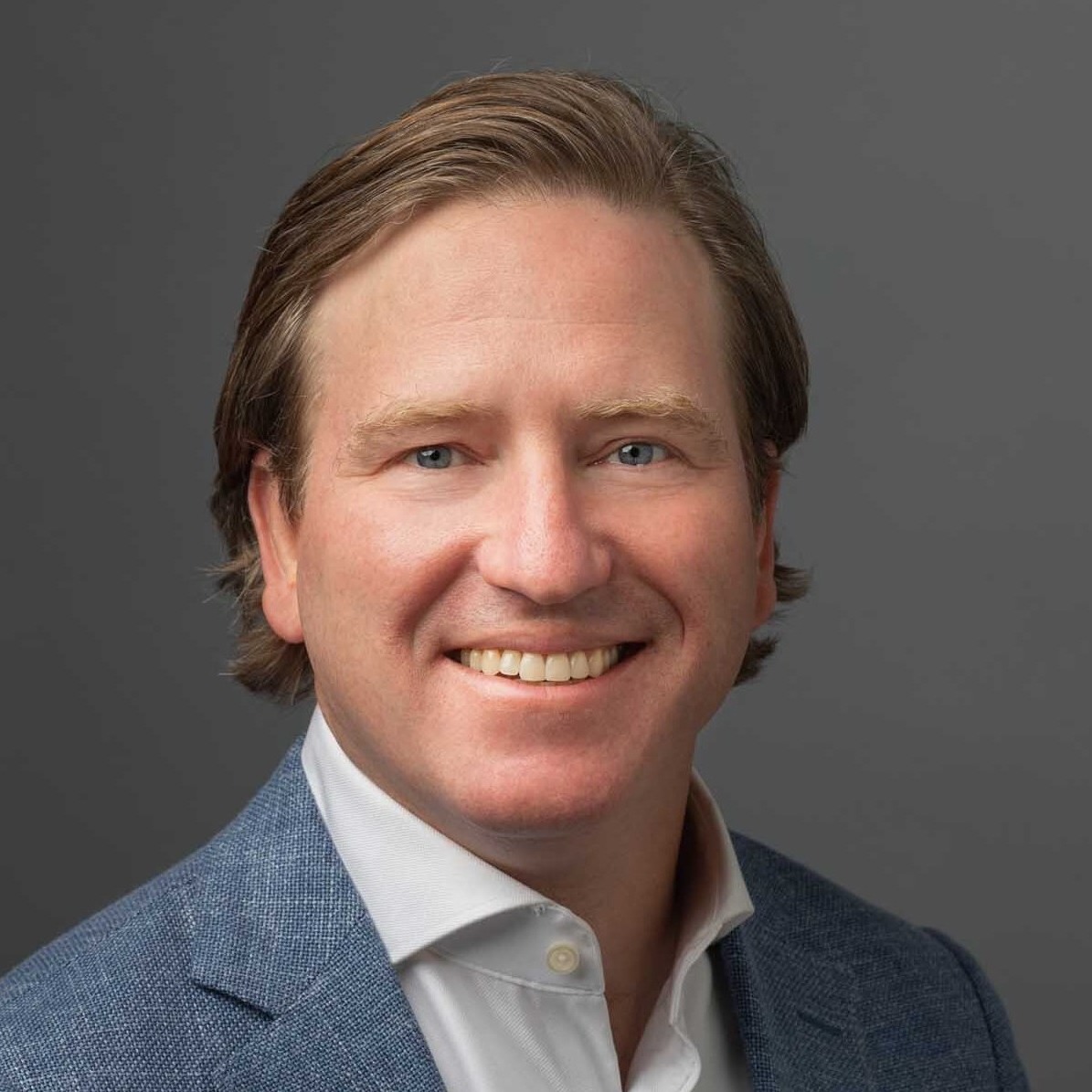
Chris Krebs, Founding Director, Cybersecurity and Infrastructure Security Agency; Senior Newmark Fellow in Cybersecurity Policy, Aspen Digital
Rashad Robinson, President, Color Of Change
Vivian Schiller, Executive Director, Aspen Digital
Katie Couric
Journalist and Founder, Katie Couric Media
Katie Couric is an award-winning journalist, New York Times best-selling author and a co-founder of Stand Up To Cancer (SU2C). Since its launch in 2008, Stand Up To Cancer has raised more than $600 million to support cutting-edge collaborative science and its research has contributed to six new FDA approved therapies. In 2017, she founded Katie Couric Media (KCM), which has developed a number of media projects, including a daily newsletter, a podcast, digital video series and several documentaries. KCM works with purpose driven brands to create premium content that addresses important social issues like gender equality, environmental sustainability and mental health. She has won a duPont-Columbia, a Peabody, two Edward R. Murrows, a Walter Cronkite Award, and multiple Emmys. She was twice named one of Time magazine’s 100 most influential people and was a Glamour Magazine woman of the year three times. She has also received numerous awards for her cancer advocacy work; honored by both the Harvard and Columbia schools of public health, the American Cancer Society and The American Association of Cancer Researchers.
Chris Krebs
Founding Director, Cybersecurity and Infrastructure Security Agency; Senior Newmark Fellow in Cybersecurity Policy, Aspen Digital
Christopher Krebs is a founding partner of the Krebs Stamos Group, and previously served as the first director of the federal Cybersecurity and Infrastructure Security Agency (CISA). As Director, Mr. Krebs oversaw CISA’s efforts to manage risk to the nation’s businesses and government agencies, bringing together partners to collectively defend against cyber and physical threats. At CISA, Mr. Krebs also pioneered the Rumor Control program, which was designed to counter disinformation campaigns. Before serving as CISA Director, Mr. Krebs served in various roles at the Department of Homeland Security, responsible for a range of cybersecurity, critical infrastructure and national resilience issues. Prior to his time at DHS, he directed U.S. cybersecurity policy for Microsoft, and advised industry and government clients on complex cybersecurity and business risk matters, while serving at positions with Obsidian Analysis and Dutko Consulting. He also served in the George W. Bush Administration, advising DHS leadership on domestic and international risk management and public-private partnership initiatives.
Rashad Robinson
President, Color Of Change
Rashad Robinson is the President of Color Of Change, a leading racial justice organization driven by more than 7.2 million members who are building power for Black communities. Color Of Change uses innovative strategies to bring about systemic change in the industries that affect Black people’s lives: Silicon Valley, Wall Street, Hollywood, Washington, corporate board rooms, local prosecutor offices, state capitol buildings and city halls around the country. Under Rashad’s leadership, Color Of Change designs and implements winning strategies for racial justice, among them: forcing corporations to stop supporting Trump initiatives and white nationalists; framing net neutrality as a civil rights issue; holding local prosecutors accountable to end mass incarceration, police violence and financial exploitation across the justice system; forcing over 100 corporations to abandon ALEC, the secretive right-wing policy shop; changing representations of race and racism in Hollywood; moving Airbnb, Google and Facebook to implement anti-racist initiatives; and forcing Bill O’Reilly off the air.
Vivian Schiller
Executive Director, Aspen Digital
Vivian Schiller is the Executive Director of Aspen Digital. A longtime executive at the intersection of journalism, media and technology, Schiller has held executive roles at some of the most respected media organizations in the world. Those include: President and CEO of NPR; Global Chair of News at Twitter; General Manager of NYTimes.com; Chief Digital Officer of NBC News; Chief of the Discovery Times Channel, a joint venture of The New York Times and Discovery Communications; and Head of CNN documentary and long form divisions. Documentaries and series produced under her auspices earned multiple honors, including three Peabody Awards, four Alfred I. DuPont-Columbia University Awards, and dozens of Emmys. Schiller is a member of the Council on Foreign Relations; and a Director of the Scott Trust, which owns The Guardian.
{"includes":[{"object":"taxonomy","value":"133"}],"excludes":[{"object":"page","value":"167926"},{"object":"type","value":"callout"},{"object":"type","value":"form"},{"object":"type","value":"page"},{"object":"type","value":"article"},{"object":"type","value":"company"},{"object":"type","value":"person"},{"object":"type","value":"press"},{"object":"type","value":"report"},{"object":"type","value":"workstream"}],"order":[],"meta":"","rules":[],"property":"","details":["title"],"title":"Browse More Events","description":"","columns":2,"total":4,"filters":[],"filtering":[],"abilities":[],"action":"swipe","buttons":[],"pagination":[],"search":"","className":"random","sorts":[]}
Members of the Commission on Information Disorder participate in a live, virtual conversation on ways to address the country’s mis- and disinformation challenges.



 Facebook
 Twitter
 LinkedIn
 Email
Email