hi good afternoon everyone uh andwelcome um i’m my sister the deputydirector of the aston tech policy hub umfor those of you who are new to us weare a policy incubator that trainsscientists and technologists on how toengage with the policy process um i’mexcited to welcome you all today to oursecond demonstration day event for ourthird cohort of our full-time fellowshipprogram for those of you who are new tous our fellowship program welcomes 15members in every cohort who spend 10weeks with us full time to learn aboutpolicy impact and policy making bothinside and outside of governmentthis cohort started their time with usin september of last year and endedtheir fellowship in late novemberum over the course of 10 weeks ourfellows spent time working on a policyproject during the fellowship programthey identified a tech policy problemthey were passionate about solvingconducted research on it mapped andtalked to stakeholders ideated onsolutions and developed products in aidof their solutionthis cohorts projects uh spanned fromsolving issues related to contractorworker compensation disparities in techcompanies to strengthening student dataprivacy in public schoolstoday we present the first the second ofthese groups projects these projects arespecifically focused on empoweringworkers and voters through techtech can at times be used to empowerdisenfranchised groups when usedtools can help equalize opportunitycompensation and access to resourcesacross organizationstoday’s project aims to today’s projectsaim to answer the question how can techbe used to even the playing field forworkers and corporate hierarchies andvoters with limited resourcesum just some quick logistical notes ontoday’s event we will first be hearingfrom four fellows who will be presentingtheir three projects then we’re thrilledto introduce former director of data andtechnology for voter protection at thedemocratic national committee joshuascollins who will give a keynote speechcommenting on the three projects we’llthen open it up to q a for josh and allof the fellows so please use the q a boxto submit your questions as the fellowsand josh are presenting um in tandemwe’ll be sharing links to our fellowproducts via the chat box so please takea look thereum now i will turn it over to our firsttwo fellows uh for today’s sessionarmand jaffer and james liu who will bepresenting their project focused onclosing the compensation gap for techbetween full-time workers andcontractors at tech companies um armandjaffer is a product manager on theeducation team at the chan zuckerberginitiative and james is currently aproduct leader serving a tour of duty atthe u.s digital service and previouslyworked at color health google anddropboxover to you are mod and james[Music]coolumthanks so much for the warm intro maijames and i worked on a project focusedon equitable compensation forcontractors of tech companies trevorwho’s about to present his project rightafter ours was an amazing partner tobounce ideas off ofbefore we start we want to be veryspecific about who we mean by contractorfor this presentation we’re actually notreferring to gig workers but ratherworkers who hold full-time jobs at techcompanies but who are actually hired andemployed by a third party agencytoday we will ask tech companies to usea pay equity framework that accounts forfrequently hidden gaps to fairlycompensate these workerswe also ask that tech unions inparticular leverage the tools we’vedevelopedto support the prioritization andimplementation of such a framework jamestake it awaythanks armandduring our fellowship we were fortunateto talk to many contractor workers andwanted to start he would start with astory of someone we met jesse aresearcher who works at googlea first generation college graduate theygot hired into their role through acontracting agencya few months in they discovered thatthey’re being paid nearly half of theirfull-time peers despite their day-to-daybeing identicalas the pandemic went on they weren’tentitled to generous sick leave or theimpromptu rest time that full-timeemployees were giventhrough this all they were powerless tomake changejesse’s story is not unique what startedas a trend among specialty andblue-collar workerscontractor employment now applies to allroles spanning engineering design andother roles filled by full-timeemployeesand since 2018 contractors haveoutnumbered direct employees at googleand many of its pure organizationsand despite many of these workers doingequal work as their full-time peersthere are tremendous disparitiesin 2016 a landmark paper called textinvisible workplace found that the thoseemployed in contracting industries withequivalent responsibilities as theirfull-time counterpartsearn 35 percent lessas we continue our own research intothis area we found that this gap isactually a result of many structuralcompensation differences that spanacross monetary compensationunequal benefits and job instabilityfirst contractors don’t qualify forformal compensation like performancebonuses and stock optionscontractors also miss out on health careplans parental leave and other generalbenefits that tech companies offerand there were time limited contractsand lack of severance pay contractworkers bear the cost of job instabilityon behalf of their employersimportantly these pay gaps perpetuate inequities that perpetuate in our societyin particular contractors are lesslikely to represent or more likelyrepresent marginalized racial and genderidentitiesand while there are so many wayscontract workersare undervalued compared to theirfull-time counterparts such as workerprotections and limited careeropportunities we decided to focus ourpolicy recommendations on the issue ofpay equityin our society we have a value of equalpay for equal work and we believe thatthis should be extended to contractworkers as wellto this end our policy ask is thatcompanies should adopt a more equitablecompensation strategy to take intoaccount the hidden pay gaps of contractworknext i’ll pass it back to armand to talkthrough how we focus our fellowshipefforts to make this mission a realitytake away armandthanks james as we started to look intopossible solutions this problem wearrived at two sticker holders we foundwe could actually change and actuallymake it make an important impactcompanies have moral and profit drivenreasons for compensating contractorsequitably especially during thishistoric labor shortage we’ve learnedlearned from peopleops teams thatcompanies can be slow to actually changethese policies and frequently don’t evenknow that they exist and we believe thatour pay equity toolkit can help themadopt an equal compensation strategythat actually factors in some of thesehidden costs of contract work thatthat are frequently disregardedwe’re also at this unique policy momentwhere there’s this surge of tech workerinterest in collective action andorganizing and forming unionsand employee groups and we believe thatthey can be a powerful force to helpcompanies accelerate the adoption ofequitable pay policies we arespecifically asking these unions toadvocate for our equal pay frameworkfor full-time and contractors withsimilar rolesif you’re not familiar with tech unionsthey’re this growing trend in the techindustry and are actually redefiningwhat workplace organizing can look likebecause of how in demand their skillsets are organized tech workers actuallyhave a huge amount of leverage overtheir employers and there’s actually alot of momentum in 2019 there wereessentially no tech unions in the techin this in the sector and now in 2022there’s over 20 at some of the biggesttech companies there arelastly through in-person interviews andresearch we’ve actually learned thattech union members that are full-timeemployees are motivated by issues thatare more than those that actually have adirect effect on them but also couldspan their co-workers who may notreceive the same benefits as they dowe found that one of the biggestobstacles to closing pay gaps was thatit’s often very hard to quantify them inthe first place the gaps accumulate overacross a dozen differences between howcontractors and full-time employees arecompensated which makes holdingcompanies actually accountable forclosing these pay gaps reallychallenging because you’re not holdingthem accountable for one pay gap but 12that are distributed across a bunch ofdifferent benefitsone of the one of the tools we developedwas a contractor pay equity calculatorto highlight such gaps the calculatorhas several components and so this isjust one page of it but i’d like to drawyour attention to how we’ve calculated awage gap using the my rate ofdifferences and how contractors arecompensated as you update the wage andother compensation benefits such as ptoas you can see right there severance andsick leave you can see how thecompensation gap closes if companiesactually want to serve their bottom lineand stand by their commitments to payequity they will work to get that numberdown to zeroduring this fellowship we were actuallyfortunate to start a collaboration withthe alphabet workers union which is aunion of with the communication workersof america and represents google andalphabet employeesumwe’ve been grateful to begin workingwith them on a strategy that involvesusing this equal pay calculator that ishowed you above to quantify the unequaltreatment of full-time and contractworkers and use this data to inform andsupport campaigns to win equal pay forequal work and to measure alphabet’sprogress in closing gaps over timewe believe this strategy can bereplicated by other unions and employeeadvocacy groups as well and haveoutlined this strategy as part of ourfellowship outputon that really exciting note we’reexcited to see where this work goes andare grateful to the leadership andmentorship of a lot of the laboradvocates that that have come before usand we’ve worked with closely during ourfellowship doing this work is so socritical to ensure that the future ofwork actually includes equal pay forequal work the stakes are huge and we’reat this pivotal moment so increasedorganizing and transparency is thecritical next step thank you so muchi’ll hand it back to mywonderful thanks so much uh armand andjames for showcasing your contractor paygap calculator uh i especiallyappreciated your project because itbegins to help quantify some of thosenon-monetary benefits that full-timeworkers and receive over contractors umfor those of you who are interested inlearning more please check out the chatbox uh to see thethe calculator yourselfand as a reminder please use the q afunction for any questions and we willget to them at the endum next up i’m thrilled to introduce ournext fellow for the session trevor pellstrevor will be showcasing his project onutilizing decentralized autonomousorganization structures colloquiallyknown as daos to ensure that techstartups are more democratictrevor is a technologist writer andactivist working to advance the rightsof working undocumented and queer peoplehe previously was a product manager atgoogle facebook pinterest and lyft aswell as uh the founder of a y combinatorbacked startupum to teach us about worker led startupson the blockchain over to you trevorthanks maiso today i’ll be proposing a new modelfor worker-led technology startups usinga governance structure formalized on theblockchainto help make it a reality i’mrecommending policy changes atorganizations that invest in largenumbers of early stage tech companiesbut first why should startups considerworker leadership at allwell we’ve seen many stories latelyabout the so-called tech lash with bigtech increasingly criticized forprioritizing short-term profits oversocial responsibilitythis is the so-called shareholder valuedoctrine taken to its conclusionsince a public company is owned andcontrolled by its investors immediateappreciation of their investment issupposed to be its only prioritybut that idea is facing mountingcritique and both sides of the aislehave called for a new way forwardsome have suggested giving completecontrol of startups to their foundersand trusting them to make the rightdecisionsbut given the problems that thisconcentration of power has caused in thepasti think it’s worth experimenting withgovernance models that distribute thatauthority more broadlyi’m talking about worker-led businesseswhere instead of having investors orfounders pick the company’s boardmembers they’re democratically electedby all employees of the companynow this isn’t a new idea plenty ofthese businesses do exist today andresearch has consistently shown thatthey’re actually more efficient thantheir investor-led counterpartsthis is because they attract and retainbetter talent and because workers havemore on on-the-ground information abouthow to improve daily operationsbut in spite of these advantages largetech companies don’t use this model nowwhywell because worker-led businesses raisefar less starting capital thesecompanies are reluctant to give uptraditional stock to mainstreaminvestors because the usual legalarrangements make it impossible toensure that the workers will stay incontroland in turn investors are wary ofputting their money into something thatwon’t provide those normal termsespecially when there aren’t existingsuccess stories in tech to justify itso worker-led businesses are left tofund their own growth out of existingprofits until they can reach nationalscalebut for most technology companies thisisn’t an option the thing that makesthese businesses valuable is theirnetwork effectsfacebook is only useful to us when allof our friends are already on itso these companies need massive scale inorder to become viable at allthey need vast quantities of capitalbefore they have meaningful profitsthis is exactly what venture capital orvc is built to fundand that’s the problem worker-ledbusinesses need vc funding to get toscalebut they can’t get vc funding withoutsacrificing that worker leadershipnow until a few years ago there wasn’tan answer to this dilemmabut advances in crypto or blockchaintechnology have unlocked a new wayforwardnamelythe daoa dao or decentralized autonomousorganizationis a way to enforce democracy on theblockchainbasically it means storing a company’streasury as cryptocurrency and gainingaccess to that money on approval from amajority of workersnow if that’s not clear just know thatthe key innovation is that this versionof worker democracy can’t be undone bycourts or attorneys after investorpressureit’s an incontrovertible technologicalfactby using dow technology as a guard railaround democratic controlthese companies are able to compromisemuch more on other issuesthey can adopt a normal legal structureestablishing the business as acorporation with only a few changes tothe bylawsbasically they can afford to concede themajority of future profits on normalinvestor-friendly termsbecause the dow keeps the workerleadership part independently secureand maybe even more important it opensup the possibility space for vcsbefore the lack of existing worker-ledtech companies looked like a failurebut with this novel technology it beginsto seem like an opportunitysomething that’s fundamentally new thatcould grow to rival and even replacetoday’s tech giantsso to kickstart this change i’ve chosento target startup accelerators as a keypower playeraccelerators like y combinator and southpark commons are investing institutionsthat take small standardized stakes in abunch of companies who are stilldeveloping their productsthis means that they have a financialinterest in discovering these trendsahead of their peers plus the ability tocommunicate this alternative structureto many early stage businesses at onceso my proposal is for the most popularaccelerators to add this option to theirintroductory materials particularlytargeting founders who are alreadyinterested in social impacti’m also asking them to make thesecompanies eligible for their follow-oninvestmentsand to allocate five percent of theirnext funding batches to these companiesmany of these organizations already funda few non-profits each year so thisisn’t a huge leap from their existingpracticesand the size of the initial bet is smallon the scale of their experiments withnew industries like construction orinsurancebut if they can break the seal byproving that worker-led dows can securevc funding it would create a hugeopening in the market for more foundersto pursue thisoption to help make this happen icreated a few toolsfirst is a policy memo laying out thecase in detail aimed at the acceleratorsthemselves so they can share it withintheir organizationssecond is a toolkit which acceleratorscan give to curious founders walkingthem through the practical details ofthis approachthe first part introduces and makes theempirical case for a worker-led businessthe second part is a step-by-step guideto adopting it for their ownorganizationincluding the legal structureand the technical details of theblockchain portion with a samplesoftware stackplus there’s an investor faq whichfounders can share with potential vcs toaddress common concernsaltogether this provides the scaffoldingthey need to get their organization offthe groundfinally i’ve summarized these argumentsin an upcoming op-ed to seed the casewith as wide of a popular audience aspossibleso again here are my asks foracceleratorsthis is a tricky and diffuse problemwhich doesn’t lend itself easily to acentralized solutionbut hopefully this could be a powerfulproof of concept that opens the industryto a new and better approachthank youand back to you mayawonderful uh thanks so much trevor forshowcasing your project for wise startupfounders and accelerators shouldconsider structuring their companiesusing dows um for those of you who areinterested in learning more please checkout the chat box um to see trevor’sprojectum next up i’m thrilled to introduce ourthird fellow hillary brassith who willbe showcasing a project onon ways to use tech to improve voterturnout for overseas voters hillary isan associate director of product at hugeinc and was previously a vp of productvotes a venture-backed company buildingaccessible voting methods withsmartphone and blockchain technologybefore we introduce hillary though iwant to turn it over to our directorbetsy cooper who is going to make aspecial commemorative announcementbefore hillary presents her project soover to you betsythanks so much mai um and thankseveryone for joining us todaybefore we let hillary present herwonderful project we want to make take amoment to make a special announcement inhonor of our fellow and one of ourformer employees sevilla pittfor those of you who might know the hubwell sevilla was the hub’s firstemployee though she only spent 10 of hertime at the hub she reviewed and helpedselect every single fellow for our aspentech policy of classes including a fewof the fellows who are presenting todayshe made our events run smoothly day inand day out one of my favorite days onthe job was going to lunch with sevillaafter we finished selecting the fellowsand hearing about her dreams for thefuturesevilla was so much more she was anintegral part of aspen digital shemanaged all our cyber security eventsand programming and handled numerousstaff transitionsit’s really hard to come across howdelightful of a person she was she wasincredibly caring for example she wouldconstantly check on folks unpromptedjust to make sure they were doing okayand ask them if they needed any help shewas just always trying to do whatevershe could for people she never wantedcreditwe also learned how much she waspassionate about being in washington dcand that had been a dream of hers formany years before taking the aspeninstitute jobsadly about a year ago sevilla startedexperiencing some health symptoms andpassed away of pancreatic cancer injanuary 2021. she’s left a huge hole onour teamin honor of sevilla the hub in aspendigital established the civil pitmemorial fellowship to honor sevilla’samazing legacy we will award thefellowship to the member in each classwhose has passion for the climate andthe environment which is somethingsevilla cared about deeply or shared herinterest in washington dc policy makingand exemplified her selflessness andgenerosity of spirit we will bring thatperson to washington dc to meet theaspen digital team and to engage in thearea of their passion through meetingsin the capital we are delighted toannounce the inaugural civil pitmemorial fellow to you today our nextfellow hillary bressethwe ask this cohort of fellows for theirnominations and one person stood outboth to us and to the fellows thisperson received more votes from theircolleagues than any other person here’swhat some of the other fellows had tosay about herthis person stands up to coordinategroup work with joy she sends useful andpositive feedback pours a ton of workinto group projects to set up processesand presentations offers up designservices for the whole cohort and isjust really niceso hillary congratulations on being ourfirst civil civilian fellow and over toyou to teach us about improving votingabroad thank youthank you so much betsy and to the wholeteam for an incredible honorit’struly an honor to be umreceiving that and also just to know howincredible of a person sevilla wasand in her honor and in honor of thisfellowship i want to share about a topicthat i care deeply about with you allthat i spent the last 10 weeksresearching and diving into voting fromabroadi want to start out with a storythis topic is near and dear to my hearti spent about three years living andworking overseas in a country calledguinea located in west africa as a peacecorps volunteeri adored my time in guinea many neverthought i would come back to the unitedstates but one of my biggest challengesand frustrations was that because guineahad no post office and i had no printerin the village in which i was stationedi was unable to register to vote fromabroad let alone submit a ballot fromabroadit may be a little known fact to many ofyou on this call but in fact 2.9 millioneligible americanseligible to vote live overseasthis comes in the form of folks who aredeployed to serve this countryor somebody that might be deployed for acompany to serve and work overseas orjust an american who chooses or electsto live overseas or retire overseas2.9 million eligible voters is theequivalent to the voting population ofsouth carolina in other words thisnumber is enough to sway an electionbut only seven percent of these votersat best vote in fact this constitutesone of the most disenfranchiseddemographics and one that’s not talkedabout as widely on the national scalethe reason that these voters don’t turnout as well is because in the firstplace they either have inadequate votingoptions or they lack access to a postoffice or a printer like in my case in avillage in west africafurthermore in the process of doing adeep dive into research and speaking tooverseas citizensmany told me that they weren’t even thatthe citizens that they spoke to overseaswere not even aware that they were ableto voteso the question that i became obsessedwith over the last 10 weeks is how wemight leverage technology to reduceobstacles facing overseas voters as manyof us know our lives have completelyrevolutionized with the advent ofdigital and mobile technology in thelast decade and so the question i becamecurious about and examined wasunderstanding the spectrum between notechnology to facilitate voting versusthe extreme other end of the spectrum oflots of technology and where i’ve nettedout is somewhere in the middlewith a few recommendationsthe thing i like to recommend is toelevate technology best practices thatcan enable and increase overseas votereducation registration and turnout howthe two groups that i became reallycurious about were on the one handsecretaries of state who gather underthe body of the national association ofsecretaries of state and ultimately andfor the most part create the laws aroundhow people voteand secondly the federal votingassistance program or fvap which is partof the department of defenseand exists in order to help raiseawareness for how overseas citizens cancontribute to our electoral processwhat i ended up building as tools forthese two bodies were on the one hand aplaybook to equip secretary’s estatewith those technology best practices andsecondly i designed a voter wizard whichis a tool that fvap could implement onits website which otherwise has avariety of competing audiences fromresearchers to voters to electionofficials to better capture a voter whomight land on their website and moreimmediately direct them to the resourcesthat they may need in order to learn howto vote in their specific statea brief context before i dive into thosetools as we all know elections in thiscountry are complexthere are many steps along the wayand along each of these steps there’sboth opportunity formaking voting easier but also potentialfor riskand furthermore every single state inthis country has different laws aroundhow and the ways in which people canvotethis is why i became very interested inthese two groups and have targeted thetools that i produced for the both ofthem because they uniquely arepositioned to impact that subset ofvoters that are stationed overseasall right diving into the toolsfirst of all the playbook for thesecretaries of statei built out a playbook with four mainrecommendations for secretaries of stateto take action on these recommendationswere pooled as a result of multipleconversations spanning multipledifferent election officials at multiplevarying levels of jurisdictional powermany states are already doing greatthings when it comes to overseas votersversus others that aren’t doing as muchas they could do and so i pulled all ofthese recommendations into a playbook sothat any secretary of state could readup on tactical things to do to implementto better the experience for overseasvoters these include one recommendingdigital signature on thefederal postcard application which isrequired for any overseas citizen toregister to vote by implementing digitalsignature on this form which thisplaybook outlines how to do sostates could drastically reduce thebarrier to entry for voters desiring tovote from overseasthe second is to implement a ballottracking mechanism on the basis of avery successful pilot implemented byfvap and other partners where overseascitizens had a better ability to trackthe ballot after they mailed it fromoverseasthird i recommend secretaries of stateinvestigate implementing innovativeemail technology and service providersthat would allow them to better maintaina database of overseas citizens andcommunicate them with them early andoften on how and when they need toregister and votefinallysimilar to technology design hasrevolutionized our lives making it mucheasier to consume information irecommend that secretaries of statethink about design as not just a way tomake materials look pretty but as afunctionally necessary tool to makeunderstanding how to vote from abroadmarkedly easierand the last output the voter wizard forthe federal voting assistance programas you can see the federal votingassistance program has a very complexsite that targets multiple differentaudiences on this upper navigation barwhat i recommend is they implementaround election time a wizard that wouldcapture the voter with this easy pop-upasking if the person visiting is tryingto voteit would then pop the voter into thisflow of questions to better guide themwithout as much of a lift to where tothe resources they need in order to votefrom abroadthis website wizard would alsoalternatively allow fap to betterunderstand the audience is coming to itswebsite through analytics and even diginto the details of whether or not thevoter has a printerin sum by empowering educating andincentivizing election officials on howthey can leverage technology to bettersupport overseas voters they can bothincrease registration and turnout iencourage you to take a look at theseoutputs on the aspen website and i’d behappy to follow up for anybody who hasany questions thank you so much again inhelping to shift the balance for theseoverseas votersthank youwonderful thanks so much hilary forshowcasing your project on using tech toimprove overseas votingi especially appreciate how much youemphasize the importance of designthinking uh for improving voting andjust civic processes as a whole um forthose of you if you’d like to learn moreabout hillary’s project or see herwizard tool close up yourself pleasecheck out the links in the chat um andplease ask any questions in the q a boxwe’ll get to questions at the endum and congratulations again hillary forbeing our first sevilla pep memorialfellowum next i’m thrilled to introduce ourkeynote speaker for today’s event joshscollinsjosh is former director of data andtechnology for voter protection at thedemocratic national committee prior tothat he was deputy general counsel and asenior policy advisor for the state ofconnecticut he spent the majority of hiscareer in politics and in governmentworking adjacent to many of the issuesthat our fellows are passionate aboutjosh will be commenting on the projectsand sharing a bit more on some contextum so over to you joshhello and thank you very much me forthat uh fantastic introduction uh as shesaid my name is uh joshua scollins i amor josh collins i’m the former directorof data and technology for voterprotection at the dncas well as the former deputy generalcounsel to governor daniel molloy ofconnecticutand a senior policy advisor in apreposterously named executive branchcommittee called the department ofadministrative services which coveredeverything fromstate construction projects tothe statewide enterprise technologiesthat we used and everything in betweenwhich isto say that it was an honor to be askedto come and speak at this demonstrationdate today because the projectsthat we just uh saw demonstrated for usare near and dear are allareas of policy that are near and dearto my heartum having embarked on a career inpolitics and policy uh almost a decadeago uhtime flies when you’re having funi have uh been blessed to be able toget anoverview of policy and policy making atvarious levels of both state and federalgovernment but also across a uh broadscope of issue areasum whichhasallowed me touhbe a bit of a magpie and andpoked my head into a lot ofinteresting projects and policy areasuh in fact when i took the job at thednc back in 2019 uh there had i sort ofthe position had never existed beforei actually came up with my own job titleum and i was very much inthe reverse position of all the uhfabulous fellows that we heard fromtoday because i was a lawyer and policyprofessional coming into the tech spaceand uh really getting my owntwo-year fellowship onall things tech and data and technologyrelated and trying to develop tools toassist voters casting their ballot nowobviously when i took the position in2019 i was not awarethat we were about to attempt to run anational presidential election in themiddle of a global pandemicum in previous positions i did a lot oftrainings with volunteers poll observersand i would always uh use the example ofa sudden uhpower outage or a flood or what allthese other natural disasters that wehad to be prepared for just in case theworst happened but i don’t think i everreally saw global pandemic uh coming asone of the obstacles that we had touh overcomebut over the course of 2020 and 2021 weuh had tofigure out howvoters were going to be able touh cast their ballot andsafely and effectively and most imporjust as importantly uhtrust the process that they were goingthroughthere was resistance at many levels toremote voting of any kind meaningvoting by mail orincreasedabsentee votingopportunitiesandwe had to work withpolicy makers at the state and federallevel including the association ofsecretaries of state that we heard fromearlierandcongressto try togo from zero to 60real quickmany statesthat are not typically thought of asuhhostile to voter to voters voters andvoting rightsalsouh were the least developed in terms ofvote by mail options voted home optionsthings like that they were very muchin personrequired in order to cast a ballot infact in the state of new hampshireprevious to 2020 you couldn’t evenregister to voteby mail or onlineyou had to go to your local registrar’soffice in order to fill out a voterregistration formumsoactually if you can’t even register tovotefrom home you certainly couldn’t castyour ballot from home without adocumented excuseand so wehad a lot of work to do and we had tohave a lot of conversations and come upwith solutions and one of the groupsthat we worked with uh was uh democratsabroad and working withvoters who lived abroad and whowere i you know either for any of thereasons that we heard earlier they wereuhenlisted military uh military familiesuh foreign workers or workers who hadmoved abroad for work for workuh and people who were just born toamerican parentsbut outside of the countryandwe rana couple of resources for them so i gotto have a lot of great conversationswith these voters we uh ran a nationalori guess worldwide in this case uhvoter voter assistance hotlineand so we would get phone calls fromvoters overseaswondering like trying to figure out howthey could cast their ballot and what uhwhat they had what the steps wereand in some cases where they were evenallowed to vote because the fvap websitewell fantastic and would be even betterwith that great tool we just sawuhisthere’s a gap because one of the thingsthat it doesn’t help you figure out iswhat state am i allowed to vote in likeif i am an americancitizen born to americanparents abroad but i’vei am eligible to vote in this countrybut i’ve never lived here and i don’tknow what statei am allowed to uh register in and it’ssomething of a cliche in uh electionadministration circles to say that wedon’t actually haveone election in the united states wehavethousands of electionsall going on at the same time becausethey areadministeredat the hyper local level in a lot ofplaces either at the county or municipalleveluh and soif you don’t even know what state youare eligible to vote in you certainlydon’t know which countyuhyou are supposed to return the federalpostcard applicationtoandtrying tothe heartbreakingoutcome of a lot of these conversationswas that we just weren’t able to getthose people registered and to get thema ballot andthatis certainly a huge barrier toa[Music]you know almost three million votersandpeople who are being denied their rightto participate intheir own government which is thefoundationalissue that allows us to solve all theother problems without the ability forvoters and citizens to feel engaged andas though that their voice matters andthey arepart of a self-governing body they havetheir the ability to affect their owndestiny then the entire system fallsapartwhichi really hope that we can start applyingto other sorts ofuhorganizations seems like a small word touse for them but things like the dowsand the worker-led startups that weheard about earlier uh allowingworkers to feelasense of ownership or a stake in theoutcome and that their voice matters inthe decision-making process that setsmany policies that even that affect themmuch more closely than many uhyou knowfederallaws or policies uh you know how muchpaid sick leave your company offers youis probably going toaffect your life on a daily basis quitea bit morethan page173 of the new banking billsowehave to get creative and one of thestories that i keep coming back toin my head when i was hearing thesepresentations was a conversation i hadwhile i was at the state of connecticutwithumsomeemployees who had been there quite a bitlonger than i hadand it was about grant management and wehad received a grant tobuild aonlinejob application system the state ofconnecticut had never and this was in2017.uhthe state of connecticut had never hadan online job application system or evenan online job posting systemuh in fact the law is still requiredthat physical pieces of paper be pinnedon a physical board and that was howopen positions were being advertised uhinteresting side note those boards werebehind security which you had to getthrough in order to get into thebuilding uh and which means you had tohave an appointment which means theyweren’t actually all that public uh andbut one of the things that was causingthese problems was that this grant wasan infrastructure grant andthedefinition that these people theselongtime state employees is the policythey had come up with was that meant wehad to build physical servers in thestate of connecticut and those physicalservers were the infrastructure whichgave us the hook tobuild this new system but that meant wewere spending millions of dollars inconsulting fees anduh redesigning a already functionalproduct to run uson our own servers and thenadditionally paying more contractors toservice and support that cert thatprogram because the original vendor islike we have our cloud-based system weare not supporting that we will build itfor you but we are not going to supportit and so justmillions and millions of dollars and ofwasted taxpayer dollars uh all becauseof a smallpolicy decision that got made in ameetingand you know luckily we were able toremove or to change that uh policy andbuild the system uh the way that itwas intended and is was a huge successuh acrossuh to andtoimplement aenterprise technologyover the entire uhstate workforce which was tens ofthousands of people was a massiveundertaking and and getting that acrossthe line was a was a huge step forwardandso we’re going to need folks like theseamazing fellows that we’ve heard fromtoday to think of the creative solutionshow can wemake positive changes uh in the face ofa slow policy making process and onethat doesn’t necessarily sir alwaysserve the needs or move at the speedthat we would like and hopefully the uhyou know creative and brilliant peoplelike those that we’ve heard from todaywill be at the forefront leading thatcharge while the government catches upand uh back to you maywonderful thanks so much josh forfor all of the insights on the projectsuh i super appreciated how you talkedabout what uh sort of going through whatseemed like a human-centered designthinking process to help improve votingprocesses for a broad voter similar towhat hillary touched on so common themesumnext so for folks in the audience um i’mgonna bring back all of our speakersfrom today’s uh presentation for an openq a session i know we have some greatquestions in the chat um as the fellowscome back up um i will direct the firstquestion to you josh um did you ever seea reluctance to using tech in your roleand how do you know when a digitalsolution could be helpful versus notin some of the issues you identifieduhi sawgreat reluctance to using tech solutionsumforany number of reasons i heardeverythingfrom lack of trust in verification theyou know thevoter fraud concerns that areuhin the news will say at leastuh i won’t dignify them any further thanthat uh to some fact that we people whowould be in charge of implementing themdidn’t understand the technology thatthey would be implementing didn’t havethe budget to pay for it and so thereare a lot ofumbarriers to introducing tech solutionstouh public policy problems becauseuhit’s not at thegovernmental level it’s not alwaysenough that a tech solution solves 90 ofthe problems because the government hasto protect 100 percent of the peopleso even if a solution would improve ouruh efficiency of providing services toour citizens uh it could leave otherpeople behind and that wasuh and those people who would be leftbehind have their own advocates as theyever obviously have a right to andthat would be uh one of the barriers wewould have to overcome yeah we we saw alot ofuh reluctance to use technology uhand ever actually in every position thati’ve had where i’ve been trying to pushthings which is why uhjames uh at the usds is so importantbecause that is a an organization that ireferenced quite a bit because it’sgoing to require uh places like thatthat are able tolower the cost and the barrier of entryto using some of these technologysolutions in order to get local statemunicipal organization or governments toadopt themwonderful thanks joshum my next question is going to be forarman and james um so based on yourresearch what are the main reasons forcompanies to hire tech contractorsversus hiring the same people asfull-time employeesyeah i can take that one um so throughour research we learned that you knowthere’s actually many different reasonswhy companies may hire contractors forexample one reason that we heardfrequently is that umthe employer will find a need for say anindustrial designer but they’re a techcompany so they don’t actually have uhthe skill set necessary to even hire letalone employ someone and so they mighthire a contracting agency to actuallyprovide that service but often we heardabout these needs where you know a techcompany was looking to stop up reallyquickly and so hired a lot ofcontractors to get a project done butwould continue to retain them for yearsand years and years and not actuallyreconsider whether there was actually aneed to convert them to full-time and sowhat you see is there’s a high attritionand it actually becomes much harder forthe tech company to manage thesecontractors because they’re not beingtreated barely and they’re leaving andall that context is leaving and so weactually found these windows where theywere actually it made sense forcompanies to convert them to full-timeemployees but they weren’t beingprompted to do so and so they wereactually it wasn’t a profit-drivenreason to actually keep them ascontractors and so um you know everytech company is slightly different butwe did realize that a lot of times itwould benefit the company itself toconvert them to full-time employees orhire full-time employees for specificroles that currently are employed bycontractorswonderful thank youum my next question is for trevorum would volatility and underlyingcryptocurrencies like ether or bitcoinimpact the viability of a dow governancestructureyeah so companies that are nervous aboutthis can use other cryptocurrencies thatare called stable coins which are peggedto the us dollar so they don’t have thesame volatilityand those are that’s relatively newtechnology uh so there’s a little bit ofconcern that those could eventuallybecome unpegged and crash but if thatdoes happen then because of theinterlinks between crypto and themainstream financial system um theglobal financial system would probablycollapse anyway souh you’d have other things to worryabout but yeah stable coinswell thanks trevoruma question for you hillary souh this attendee says i didn’t realizeoverseas voters voted at such low rateshow do you think we can encourage votingin situations like you described in yourpersonal story eg when there’s no postoffice or easy access to internet howwould your tools help in this specificsituationyeah that’s a great a great question ithink theinteresting piece is that i actually didhave access to internet even being inthe middle of a tiny village up inguinea and sothe world has really shifted on itsaccess with regard to access totechnology much more quickly than sayaccess toyour pen and paper post office and sothis was kind of the crux of the pursuitthat ilookedto investigate as i was going to therabbit hole this project and soeven being able to have emails from myelection office letting me knowpedantically what i needed to completeby whenso that i could have planned to make thetrip to the capital city such if i youknow if i had to vote via paper ballotnow some statesallow their overseas citizens to voteusingas far-reaching as like an internetportal the state that i was registeredto voted at the time did not but i thinkhaving had that early and upfrontcommunication where i could have plannedmy trip and furthermore digitalsignature which is my firstrecommendation in theplaybook if my state had allowed me tosubmit my registration form with thedigital signature that would haveremoved one trip to the capital citywhich was an eight hour bush taxi ridewhich i could have only done once tosubmit my ballot rather than twice tosubmit my registration form and myballotwonderful thank you for sharingum i have a couple of questions forjames and our mom so one of them is aclarification question um so in yourproject are contractors different fromgig workers in the context of whatyou’re working onso they are and i think we talked alittle bit about that on the top of thepresentation butnot to get too technical but there is1099 workers who are frequently referredto as gig workers who um might drive foruber and then lift and then drive adoordash and so those are smallcontracts that they make that arefacilitated by these gig companies andthen there’s w-2 employees and thedistinction here is the reason whythey’re called contractors for the w-2employees who are the subject of ourproject is that a company contracts withan agency to basically providethem a w-2 workerto work for say a year-long contract andthen they go back to that agency and sothere’s a bunch of different kind of acompletely different set of laws andregulations about how these contractsworkand one of the problems you see is thatthese tech companies you know these w2contractors are sitting in at google atfacebook doing the work that thesefacebook employees are doing but they’reactually employedlike full-time in some ways in at adifferent agency and so that’s reallywhere that pay and equity starts andthat’s actually why a lot of the payequity laws fail because when you breakit up they’re two different companiesbut functionally it’s basically the samecompany because you’re working side byside with these contractorswonderful thank you umtrevorhow do labor organizers feel about dowsum this attendee seems to have someskepticism that this may be a techsolution to fundamentally a laborproblem so i’m curious to know yourthoughts yeah so i think that there aretwo ways of attacking the same problemum particularly within tech i thinkat a small companyit’s going to be difficult for a founderto start a truly independent unionbecause they are the founder but theycan make the company into a worker-ledbusiness and that’s going to lastwhereas at a large companyyou’re not going to just suddenlyconvert google to being worker led atthis point but you can do unionorganizing there so there’s sort of justuh complementary approaches and i thinkthat this is shared more broadly amongunion organizers um if you look up uhlorena gonzalez’s cooperative economiesact in the california legislatureit’s basically putting forward a modelfor future worker cooperatives um workerowned companies that will also stillhave unions um as part of theirstructure um and lorena gonzalez is sortof the main ally of labor in thecalifornia legislature so i think thatreflects an openness to this two-prongedapproach going forwardthanks trevorum hillary on this blockchainthread that we’re on could there be away tochange technology into ballot trackingas you discuss to address questions orconcerns on voter fraudor are there other ways to addressconcerns on voter fraudyeah i think this is a reallyinteresting and meaty inquiry and thereare some organizations that areexperimenting withfrom one of the spectrum ballot trackingto the other end of the spectrum ofallowing voting to actually happen usingtechnology that isintegrating blockchain in some form orcapacityi would say that we’re a little bit onthe nascent edge of that votingtechnology being adopted widely but itis being piloted with those overseasvoters uh and i i thinkthis question is spot on that they’resimilar to what we’re hearing fromtrevor there are use cases whereblockchain or similar technologies couldlend themselves to facilitate thattracking and also reduceum voting fraud in the long term byproviding that full chain of custodywonderful thanks hillaryum and one last question for our mom andjames uh do you think government has arole to play here uh in sort of closingthis contract or full-time worker paygapyeah so this is definitely an error welooked into during our fellowship andone of the most promising areas where alot of pay equity work has started isaround transparency so we do have lawsat the federal level and strengthened bycertain states as well in california andcolorado where you report data on payacross gender ethnicity and rolebut one of the main limitations we sawwith these laws was that it doesn’t uhreally compare contracting agencies andcontractor workers to full-timeemployees so there’s essentially aloophole and around data in terms ofhaving the data for enforcement is hardto come by and we do believe thatstrengthening legislation in this areais a really important start and is thefoundation for equal pay laws in ourcountryuh on another note we do feel found thata lot of countries outside of the u.shave equal pay regardless of workerstatus so as these movements continue togrow i think that will also pressureorganizations in the united states tostart to um you know enact more moreequal pay lawspay strategies here as wellwell thanks jamesmy if you don’t mind could i just sayone other thing about that uh tosort of bounce off james’s uh greatpoint uhthere are some of this is notnecessarily doesn’t necessarily requirea governmental change in policy butrather enforcement of policy as italready better enforcement of policy asit already existsbecause uh there has they’re getting allthe way back to english common law in uhthe magna carta uh they’re uh notprimitive that far along there are legaltests to determine whether or not acontractor is appropriately classifiedas a contractor versus a direct fullemployee and if they’re sitting next toa full-time employee they areindistinguishable they uhdo not meet that test and and thosecompanies should be investigated by thedepartment of labor in their state or atfederal level and forced to change thatclassification so uh some of thesethings already exist but we have a bitof a failed enforcement uh policywonderful thank you thank you for thatadditional context joshum one last quick question for everyoneum who is on right now what is the quickfuse few word phrase bumper stickerphrase uh you’d like our attendees totake away from your presentation um joshi’ll start it off with youohi was hoping i would get to go last umuh the germans are trying to put it intoa a bumper sticker slogan the thing thatthe first thing that came to my head wasuh move fast but don’t break thingswonderfuluh jamesthe future of work is nowheyarmand uh workplace solidarity is theonly wayfor the bee’s kneesprofit trevorsecure economic democracyand last but not least hillarybuilding on trevor i would saytechnology is not inherently bad thereare ways to leverage it safely andsecurely to help voters vote that waslong along the bumper sticker that was along bumper sticker but who to toeveryone else uhi think that actually was one of themore realistic like actual few phrasebumper sticker answers we’ve gotten souh nice job everyoneum so with that i’d like to close outthis afternoon’s event thank you so muchto the fellows and to josh for joiningus and um to the fellows especially forshowcasing your presentations i alsowanted to take a moment to thank thefunders that made this possible thisincludes craig newmark philanthropiesthe hewlett foundation omidyar networkford foundation intimate futures i alsowant to thank our phenomenal team thatmade this happen this includes ourproject manager may haprogram assistant made sudden and ourfearless leader and director betsycooperum if you’d like to have the opportunityto do projects like these please checkout our climate cohort application uhwhich is a new full-time fellowship thatwe’re launching open for scientists andtechnologists interested in using policyto help prevent climate changeum wecheck out the length in the chat umapplications for that cohort are openuntil february 28thum and last i want to invite you all tojoin us in two weeks for our third offour demo days from this cohort ourthird demo day will be focused on usingtech to accelerate adoption of mentaland behavioral crisis calls um and uhwill be focused on a new mental healthhotline launching in july of 2022 andhow the federal governmentcan address these crises um if you’reinterested in attending please check outthe chat to register for the event itwill be keynoted by tara mcginnisfounder of new america’s new practicelab and formerly a senior advisor at thewhite house we hope to see you all thereand and registration is in the chatbelow thank you all for joining us today
Technology can be used to empower disenfranchised groups. When used thoughtfully, tech tools can help equalize opportunity, compensation, and access to resources across organizations. How can tech be used to even the playing field for workers in corporate hierarchies and voters with limited resources?
Three Aspen Tech Policy Hub Fellows showcased their projects focused on “Empowering Marginalized Workers and Voters.” Following the presentations of the projects, Joshua Scollins, former Director of Data and Technology for the Democratic National Convention, gave further remarks.
Presented Projects
Equal Pay for Contractors: The tech sector, an industry known for high wages and generous benefits, has accelerated its use of contract workers that have similar responsibilities as full-time employees but who are employed by staffing agencies. While these contractors are employed in core functions such as engineering, they miss out on different forms of compensation and benefits and incur additional costs such as job instability. Fellows Arman Jaffer and James Liu demonstrated the use of their Contract Pay Gap Calculator to help companies and workers advocate for a more equitable compensation strategy for these contract workers.
Worker-Led Start-Ups on the Blockchain: Many Silicon Valley founders want to create technology companies that remain values-focused over the long-term. Unfortunately, this vision is often compromised due to pressures from institutional finance to return quick profits. Fellow Trevor Pels recommended an alternative structure, where board-level decisions are made democratically by a company’s workers through the formation of a DAO (decentralized autonomous organization). Trevor presented his work on building resources for founders and start-up accelerators to pave the way for larger-scale venture capital investment in the category.
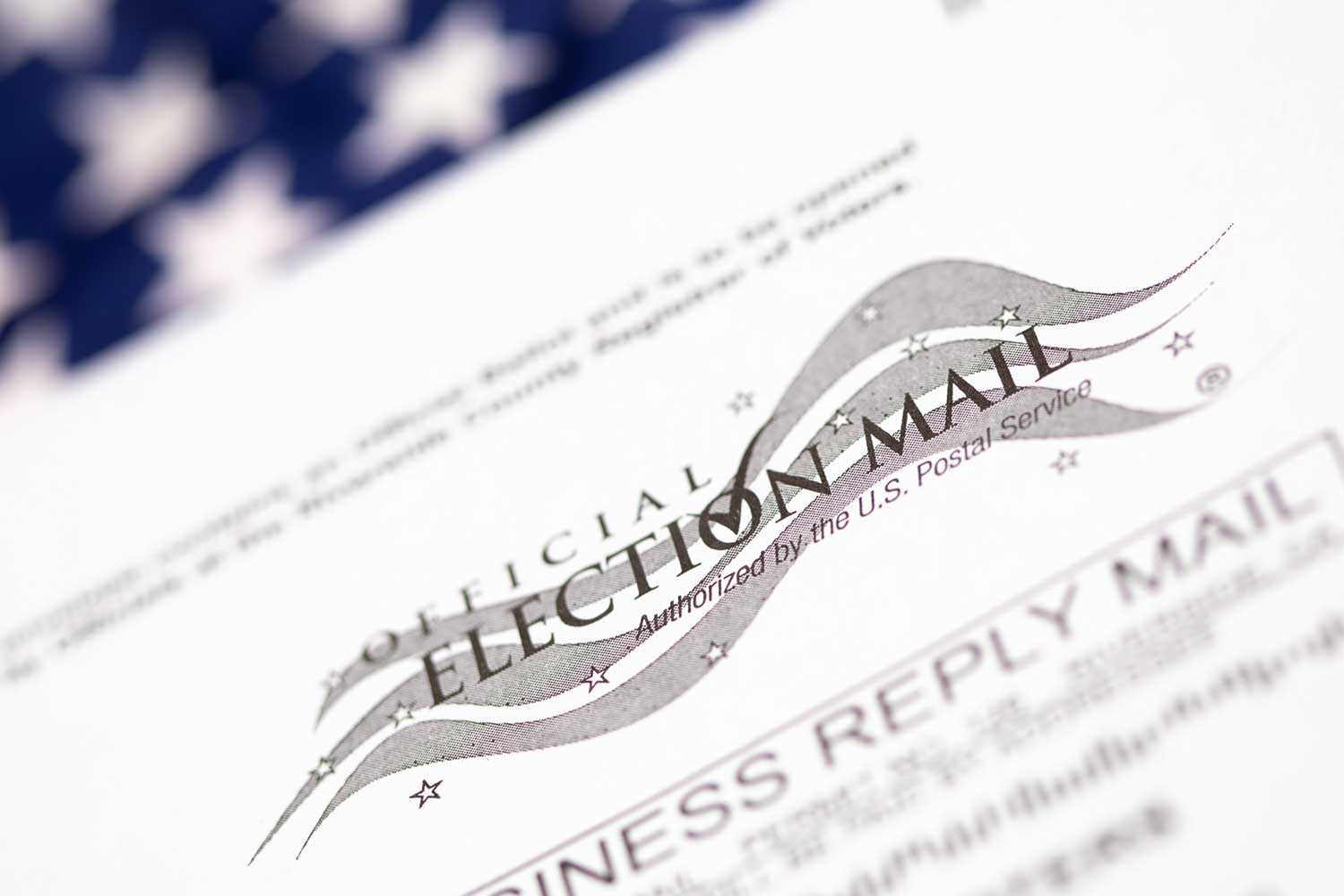
Voting from Abroad: Reducing Obstacles for Military & Overseas Voters: Military and overseas voters are one of the most disenfranchised demographics in the country. In the 2020 election, military and overseas voters voted at a 7% rate, ten times less than the domestic average. Fellow Hilary Braseth presented a wizard tool that government agencies can use to help overseas voters register more easily, along with a set of tech best practices that Secretaries of State should utilize to encourage overseas voter registration.
This conversation is part of our Demo Day Series running in February and March 2022. Please see below for other events in this series.
{"includes":[{"object":"taxonomy","value":"135"}],"excludes":[{"object":"page","value":"179483"},{"object":"type","value":"callout"},{"object":"type","value":"form"},{"object":"type","value":"page"},{"object":"type","value":"article"},{"object":"type","value":"company"},{"object":"type","value":"person"},{"object":"type","value":"press"},{"object":"type","value":"report"},{"object":"type","value":"workstream"}],"order":[],"meta":"","rules":[],"property":"","details":["title"],"title":"Browse More Events","description":"","columns":2,"total":4,"filters":[],"filtering":[],"abilities":[],"action":"swipe","buttons":[],"pagination":[],"search":"","className":"random","sorts":[]}
Join us for the WIN Summit on October 22nd where private-sector leaders, investors, and philanthropic organizations and funders will gather to talk about the future of the workplace.
Join us for the AIDE Summit 2026 on September 9th where practitioners and leaders across state and local government, technology, private sector, civil society, volunteer organizations, community groups, and academia will gather to discuss the future of AI and emergency management.
September 9, 2026
THE BEST OF ASPEN DIGITAL, RIGHT IN YOUR INBOX.
Sign up for our email list to stay current on our work.

 Facebook
 Twitter
 LinkedIn
 Email