

 Facebook
 Twitter
 LinkedIn
 Email
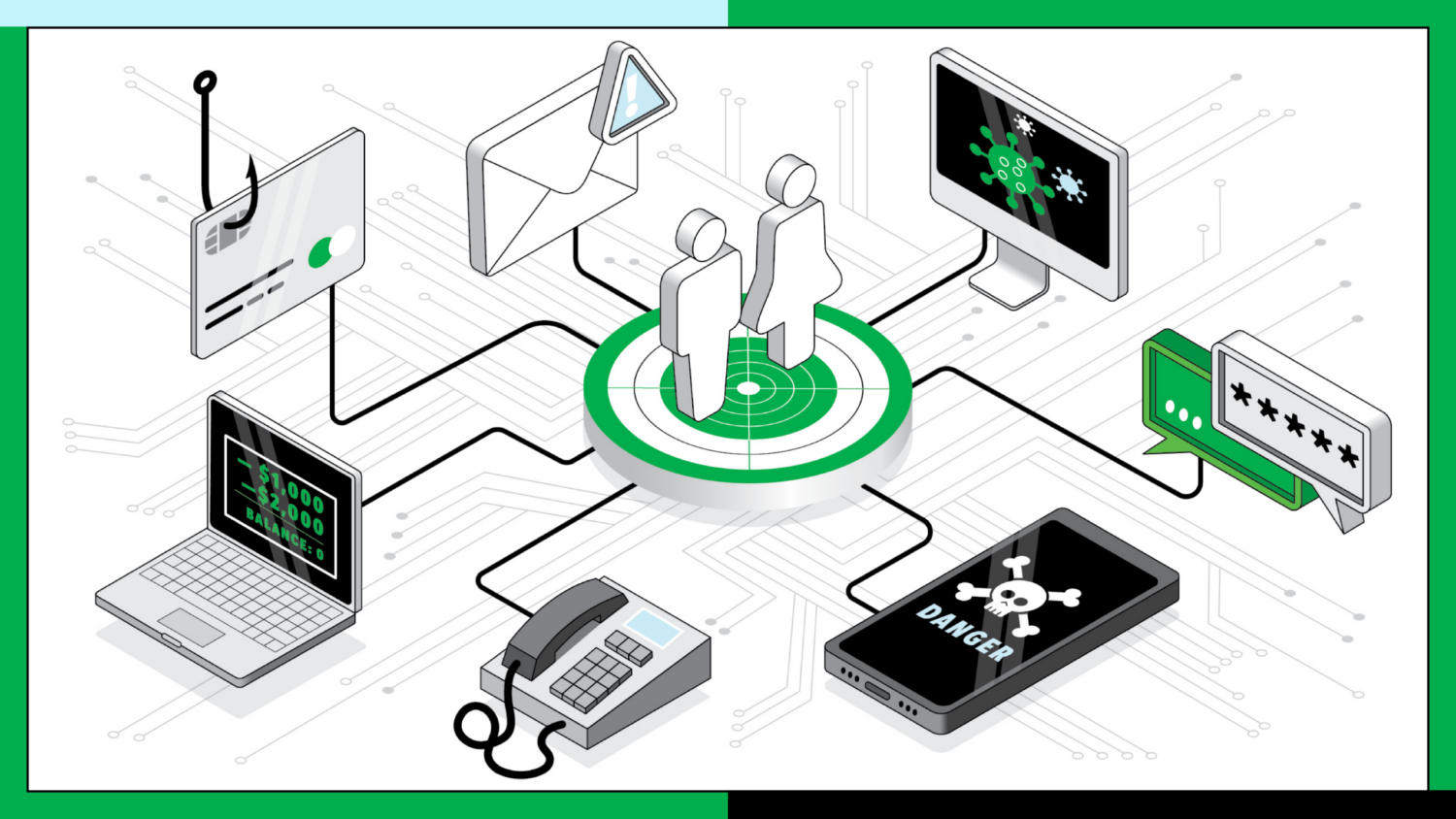
EmailMarking the beginning of Cybersecurity Awareness Month, Aspen Digital, Consumer Reports, and the Global Cyber Alliance have released the fifth annual Consumer Cyber Readiness Report. The report examines American consumer attitudes on digital privacy and security and steps they are taking to protect themselves from potential threats.
Key findings from the 2026 report include:
- Ubiquity of cyberattacks and scams: About 9 in 10 (91%) Americans have encountered at least one cyberattack attempt or digital scam, and 17% have fallen victim to one, according to CR’s nationally representative survey in March and April of 2026.
- Sharp decline in privacy confidence: Consumer confidence in personal data privacy crashed in 2026. In CR’s May 2026 nationally representative survey, only 32% felt confident their sensitive data (Social Security number, health history, financial information) remained private, down from 48% in 2025. The proportion saying they were “not confident at all” nearly doubled to 29%.
- Personalization poses risks: In an era of data breaches and AI tools, one in five consumers who had encountered any scam attempts (20%) reported that the most recent scam attempt they encountered was customized using their personal details, according to the March/April survey. This was most common with scams that began via phone calls; a third of people who said the most recent scam attempt they encountered began on the phone (32%) said it was somehow personalized to them.
- Ability to recover financial losses: As noted, 17% of Americans in CR’s March/April 2026 survey said they had lost money to a digital scam or cyberattack. However, a little less than half of them (7% of Americans) recovered that money thanks to the payment method they used. Six in then of those who paid the scammer with a credit card (61%) said they got their money back, as did 45% of those who paid with debit cards. Only 15% of those who paid with peer-to-peer payment services (e.g., Zelle, Venmo) said they got their money back from the peer-to-peer service, and only 5% of those who said they paid with cryptocurrency said they recovered it.
- Who should be held accountable: 29% of Americans believe platform owners (social media, messaging, and sales platforms) carry the primary responsibility for stopping digital scams, according to CR’s nationally representative March/April 2026 survey, followed by the federal government at 18%; individual consumers at 16%; and financial companies at 14%.
- How consumers are staying safe: CR’s nationally representative March/April 2026 survey shows that consumers are attempting to protect themselves through actions like inspecting links in texts and emails before clicking (69%), using multi-factor authentication (60%), and turning on automatic software updates (48%), among other things.
Check out the findings, reflections from scam fighting leaders, and more in the report.
Methodology
Consumer Reports conducted a survey of 4,682 US adults in March and April of 2026 to understand consumers’ behaviors in improving their digital security and privacy and provide new insights into consumer scams and their attack vectors.
Read Other Cyber Readiness Reports
2025 Consumer Cyber Readiness Report
Consumer cyber confidence in the privacy of their data is down, and federal efforts to rein in data brokers have been rolled back.
2024 Consumer Cyber Readiness Report
Digital threats continue to evolve, but how prepared are US adults to protect themselves? A survey reveals consumer cyber readiness in 2024.