hello everyonethank you for joining us for the 17thepisodeof informed and engaged i’m jenniferpreston the vice president of journalismat the knight foundation and we arethrilled today to bring youthis conversation in partnership withaspendigital when we planned this event lastweekwe had no idea what the state of theelection would betoday and indeed we still don’t knowhi everybody i’m thanks jennifer i’mviviane schilleri am the executive director of aspendigital which is a program of the aspeninstitute we’re so thrilled to bedoing this program together with theknight foundation and i’m so happyin this experiment in co-moderation uhwith my friend jennifer preston soregardless when thecounting stops um and a winner isdeclared there’s one thing that we doknow for sureand that there has never been anelection like this a raging pandemicleading to record mail-in and earlyvoting and a nation as divided as we’veseen in generationsso the question for us right now is howat this moment in timeare our vital information ecosystemsresponding we are lucky to have astellar panelof experts in news media the platformsand their impacton american democracy uh before we getgoing um justa little bit of housekeeping so the planis jennifer and i are going to spenduh the next uh 20 minutes or so chattingwith ourpanelists but then we are going to getto your questionsat any time starting right now you candrop your questionsin to the q a if you’re watching uson zoom uh just drop it in there we willget to them laterif you feel comfortable doing so pleaseadd your name and your affiliation it’sjusta great context so again it’s the q aat the bottom um and we will get to yourquestions in justa little bit jennifer back to you solet’sintroduce our guests seti warren is theexecutive director of the schwernsteincenteron media policy and politics atharvard’skennedy school and he previously servedas mayor of newton massachusetts socan bring a very important perspectiveon the importanceof informed communities from wisconsinwe’re happy and delighted to havecharlie sykeswho was a long time host of aconservative talk showin wisconsin he is now the fine founderand editor-in-chief of the website thebulwarkthe bulwark and we are pleased sopleased that charliewas a member of the knight commission ontrust media and democracyalso joining us today is joanne lipmanjoanne littman also served as a memberof the knight commission on trust mediaand democracy a projectwith the aspen institute and joanne is ajournalist and an authora former chief editor of usa todaycondi nast and the wall street journal’sweekend journalwe’re also delighted to have kate clonicwho isa assistant professor of law at stjohn’s university in new york and arenownedexpert on internet platforms and theircontentin their context moderation contentmoderation policieswhich is so important now asso many people as all of us are battlingthe spreadof misinformation and disinformationokay so welcome everybody um to kick offwe’re going to askeach of our panelists to just broadlytalk to us through the lens of their ownexperienceand their own expertise what is goingrightand what is going wrong at this momentof timewith regard to our informationecosystems and we’re going to start withjoannejoanne what is going right and what isgoing wrongall right thank you vivian thank youjennifer um yeah i’m going to talkspecifically about the news media i’mgoing to focus on that uhfirst of all let’s talk about what theygot right um which is and this is a bigoneum preaching patience this is somethingthe you know we’ve all been accustomedto getting the answers on election nightor shortly thereafteruh the media has been i think quite goodabout sayingwe’re not going to know the results onelection night this is nota flaw in the system this is a featureof the system and that the accountingwill go on um so i think that’s beengoodthere’s a couple of other pluses i thinkthat they the media has been very goodaboutnot calling races prematurely i give ahat tip especially to foxwhich has been under a lot of pressurefrom the presidenti also think they’ve done a pretty goodjob in generalof calling out or correctingtrump’s inaccurate boasts about winninghis complaints about fraudnow overall social media gets low marksi’m sure we’ll hear much more about thatum but i do want to give some props totwitter i actually think twitter hasdone a good job of identifying andlabelingfalse claims and slowing the spread ofsome of the misinformationunfortunately i have to say that thelist of what the media has gotten wrongis a little bit longeri’ll just go through it quickly i dothink the biggest issue here franklyis a complete and total lack ofunderstanding of the trump voter themedia focusesagain and again on the politics of fearand angeron the misogyny on the racismum but all of that is unfortunately istrue but what we’re missing here isunderstanding how trump supportersactually experience theirown movement which is very differentthey are experiencing this as a positiveas a celebratory not a negative rightthey’re seeing themselves where patriotswe’re proud we’re cohesive we have teamspiritwe have these great you know boatparades andcar caravans and we’ve got a lot of sothey’re seeing it as aas a positive and on a related notethere’s also a realmisunderstanding in the media of thelatino vote which we have seenum which tends to be portrayed as uhsomething that’s uniform and monolithicwhen in fact it is anything butand then very quickly i’ll just take offa few of the others umyou know we’ve been and you vivian havebeenin the forefront of this continuing tosay we need to understand that the mediaprojectswinners it does not declare winnersthere is still confusion on that frontand i still see itin even you know the ap still says itdeclaresresults i’ve seen this in the new yorktimes slate usa todayother major publications where they’rejust getting it wrongin the description um another pointpolls obviously misleading i’m sure thatwill come up in our conversation todaybut i want to uh just reference uhbeyond the polls beingwrong the related point here which ithink is really importantis that the other part of this is thepolls play into thisum really um i think harmful horse racejournalismwe’ve seen this for four years it’s justendless particular cableconversation that is looking at thishorse race that’s reallynot helpful it doesn’t shed light um andit overstates because they’re feeding onall this pole information so that we’reoverstatingthe significance of the poll while notproviding useful informationum and on a related note to that is umjournalism edited by twitter twitter hasbecome a giant slack channelfor all journalists and so it’s almostaseverybody’s in this bubble together anduhtalking to each other and amplifyingeach other and oftenabout points and and issues that reallyhaveno bearing or relevance for the largeraudience who they aresupposed to be serving and uh finallyi’ll just end with the umthe misinformation issue which i againwill be discussingum we still haven’t figured out how toeffectively combatmisinformation and at the same time toalsonot fall into this trap of allowingourselves to be painted as the enemy ofthe people and allowing ourselvesto to adapt that mindset which i thinkis quite dangerous once if the if themedia starts to take on the role ofopposition the oppositionand to internalize that um i thinkthat’s athat’s a very very hard position to takeback thenuh to uh to regain the trust of umof our audiences well joanneevery point that you made there could bethe subject each one could be thesubject of a full day conferencethere’s so much to unpack there and somuch to follow up there and particularlyi’m just making this note for myselfinteresting talk talk more about pollingon the one hand yeshorse race politics is a problem on theother hand understandingthe voter which obviously did not happenvery wellthis cycle is is so important tounderstanding the countryum charlie return to you now what wentrightand what went wrong from where you’resitting well i’m going to take alittle bit of going right and going yeaha little bit wider lens than justthe the election here umi remember three or four years agoafter the election saying thateverything that’s happening withmisinformation disinformationum is going to get worse um i had noideait would actually has gone much worsethan i thoughtwe’re undergoing a stress test right nowon all of these issues uh both thecoronavirus the pandemicand the election and i got to say thati’m not optimistic about ityes all i agree with everything thatjoanne said about the way the media hashandled it and everythingbut the flood of misinformation anddisinformationhas is increased exponentially and weare no closerto coming up with uh with with any sortof a solution for thisum i remember right about right afterthe election gary kasparov who is theyou know formeruh world chess champion russiandissident i had this great tweet he saidthe point of modern propaganda is notonly to misinform or push an agenda itis to exhaust your critical thinkingto annihilate truthand he was channeling hannah arendttalking aboutalso the same phenomenon andi think we’ve kind of lived through thatover the last few years and we’re in themidst of it right nowthis i mean this is the the the stresseswarspandemics and elections are terribletimes for truthor being able to figure out what istruth and i guess thethe problem is is that if you open uptwitter or you open up social media oryou open up youtubeyou are going to get a you will get afloodof information and much of it has norelationship toreality whatsoever and in terms of theattacking your critical thinking skillthe phrase that i’ve heardthe most often over throughout thiscampaign is i don’t know who to believewhat do we trust the failure of thepolls is just going to make thatthat much better um in terms of thepandemicwho which experts do you pay attentionto what rumors what storiesdo you pay and and this is a life ordeath issue i mean it’s one thing tohave a lot of disinformation andmisinformation in the political campaignbut we have seen the the tribalizationof the response to the pandemic and fedby an absoluteflood of misinformation so you knowthere’s abig difference between wanting toget information that is true andaccurateand one on the one hand and then wantingto get thingget information wanting to believeinformation that you seebecause it is convenient for you andthen there are people whofrankly don’t care whether it’s true ornot as long as it helps your tribe oryour teamthis is what disturbs me the mostthere’s so much out there people don’tknowum what to believe who to believe theattack on expertise the attack onmainstream journalismum to joann’s point about the danger ofbecoming oppositioni don’t know what the answer to this isi mean we have talked about this andthought about this for years now andand frankly i’m more confused about thisthan i was when we began itbecause if you have people whochronically lielie and who thrive in a world ofdisinformationand that’s become normalized how arejournalists supposed to respond to thatso we have this weird moment that we’reliving in where i think it’sthe best of times and worst of times wehave had the best journalism of mylifetime over the last several yearsyou read some of the stuff that’s beingdone in the washington post in the newyork times and even the wall streetjournal these arethis is amazing period for journalismand yet we’re also living in a timewhen there’s 40 45 percent of americansthat won’t believe anything that theyread or hear from those sourcesand live in a completely differentuniverse i mean part of the problem ofunderstandinghow other voters uh what they’rethinking about what they care aboutis they’re living in a completealternative reality completely differentnarrativesand we don’t know how to go down allthose rabbit holes and fixit i mean it’s not just fox news it’snot just a few websitesit is an entire ecosystem out there analternative ecosystemthat that is growing exponentiallyand i mean the best filter that we couldhave is not something on twitter thatwarns you something might not be trueit’s people who want to get accurateinformationand i think all of that is broken downso i wish i could be more optimisticum i think the challenge for the mediaand forrebuilding trust is getting greater allthe timeand um i i hope i hope that uhi hope that i am the darkest person herei hope that nobody has more pessimismi hope that there’s more optimism andthere are more constructive ideas herebut i’ll tell you i started the morningby getting a call from my daughter infranceand she was saying i’m getting all ofthese uh emails and these texts from myfrench friendsabout voter fraud in the state ofwisconsin and what is going on thereand i had to tell her this is it’s bs itis misinformation it is disinformationthat is uh first of all it’s based onmisunderstandings false reportingum it is being amplified by a number ofmedia outlets that shouldn’t bebut when you’re sitting here and thereare people all around the world that aregoing what’s true what’s going onit feels like there is this it is apandemicof bs and i’ll say bs rather thananything elsei’m sorry that was a longer answer thanit was it’s so important in this issueof trust and the notion that they’reuh that these two alternative universesone of them based onevidence-based uh facts and the othernot so muchis really really important city i’mgoing to turn to you but i also justwant to remindanybody that’s watching if you’re partof our zoom to click on the qa and add your questions which we’regoing to be getting to in a little bitplease add your name and youraffiliation if you’re comfortable uhdoing so um sethi let let’s let’s againturn turn to you and i’m sure you haveother uhin your observations about these issuesof trusts and theseuh you know clashing sort of communicommunities of realitywell thanks for having me that’s a heckof a way to hand off the batoncharlie uh unfortunately i’m i’m gonnabuild off ofof uh charlie and joanne’s observationsuh i have two specific observations buti look at this through the lens of aformera local elected official and mayor assomeone who’s worked uhthe white house uh clintonadministration senator the u.s senateif we do not have a healthy ecosystem ofinformation we can’t governwe can’t actually make decisions onbehalf of the constituents thatthat those elected officials representumand so we are in real danger not just inas far as public safety and people beinguh misled aroundballots we’re we’re really in danger ofbeing able to be able to functionas a governing democracy um andat every level at every level so twoobservations i i want to start with apositiveone um which was uhthe hunter biden uh story uh as werecall the new york post ran uh with astory around heather biden and the bidenfamilyand traditionally a lot of major newsoutlets would feel obligated to dosomething on thatbecause you know a major publicationpublishedthey’re talking about the vice presidentand his son well that didn’t happenmajor news outlets decided that theywere not going to run with the storythey didn’t have the appropriatedocumentation to report on itso they didn’t do it i thought that thiswas a majorpositive decision i’m actually hopefulthat that that trendcontinues uh and so i did want to pointthat out the second oneuh piece i wanted to point out whichgoes back to the platformsis content moderation there’s afantasticarticle by a woman named emily dreyfusswhoworks at the schorenstein center withthe technology and social change projectwho publishedan opinion piece in the new york timestoday i would and i’d encourage you alltoto take a read she goes througha misinformation disinformation campaignagainst the bidenfamily going back a year very deliberateum on various platforms including uhtwitter uh i think it’s posted in thechat nowum she did an excellent job and sort ofsegmenting uh how that information wasspreadum i agree with joanne yes twitter didmake an attemptuh to to push back on that andstop the spread that was a plus uhhoweveri do think the other piece toresponsibility for all the platformsis to to one uniformly really put strongcontent moderation in placebecause it’s it’s dangerous if we don’ti mean both charlie and joanne describemany different situationsuh where you know this information isput outit means people’s lives uh there havebeen reportsof for example disinformation targetingthe black community misleadinginformation about medicaluh information and black communities sothis is life and death also publicsafetythe second piece is i think they have aresponsibilityto be transparent about how they aredoing content moderationwhy do i think this is important and wethink this is importantif people don’t understand how they’redoing ityou could then actually uh promoteadditional conspiracy theories about whythey’re doing ithow they’re doing it are they biased arethey running ananti-trump uh you know campaign so ithink that thatis the second piece that i think will bevitally important moving forwardthank you city and that is a perfectsegueinto our conversation with kate becausekateis one of the nation’s top expertson the internet platforms and contentmoderationhow do you think the platforms performedduring this election during thismomentous time nowyeah so i will to to counter charlie’sdoom and gloom i will uh i will take thethe the slightly sunnier position that iwas impressedum as someone who has followed thesecompanies for the lastuh six years inside and out who’s veryvery familiar with not only the rulesthat they useto moderate content um but how thatpolicy changes frominternal and external pressure andreally the processes uh that are put inplace to make sure that those rules areenforcedso let’s just kind of start out with thefact that like donald trumpfor all intents and purposes basicallyuh broadcasthis plans like some type of likevillain in a movie declaring ahead oftimeeverything he was going to be doing uhlike toto kind of to screw with the electionresults uh kind of following itand because of that you had twitter andfacebook in particular and we’ll get towhat happened with google and youtube ina second but you had twitter andfacebook in particulardo some pretty robust um verytailored very rapid response moderationas soon as the president tweetedcertain types of things which were forforesaw words werelike foretold by the president himselfbefore the election had even begunso they actually did a like a prettygreat joband they did this in a way that wasreally interesting it was not just aboutremoving harmful material they also didcertain things like put uplabels in search areas or hightrafficked areasthat reminded voters in the same way themedia was doingthat like results would not be coming insoon that like people wereyou know the ballasts were still beingcounted that likethat they shouldn’t be trustingeverything that they were seeingand so in addition to that you’re seeinga development inand um and said he kind of said we needreally robust content moderation andthat’s beena struggle for years but it’s probablythe strongest with these three companiesum of anyone in the world and like thedifference that happened here is you’rereally seeingfinally at long last and i say finallybecause it really meanspeople have been calling for this forthe last 15 yearsa development of shades of gray and howpeople are doing content moderation itis not just removal and it is not justkeeping things up it is adding contentto problematic content so that peoplecan find the right answer we can have ahealthy inlike a healthy democracy in the sensethat people can go and search outand have the tools to know and toquestion what it is that they’re readingand then they’re also doing somethingthat is not just taking things down notjust removing something from theconversation because sometimesbad content has to be seen in order tohave a healthy conversation about itbut they’re putting interstitials intoplace um interstitials being likefuzzed out content that basically allowyou to selectively decide that you’regoing to click through and readsomething but maybe with likethe the knowledge that it containsviolent material that it contains falsenews that it contains somethinglike the hate speech this is these areall really great developments and we sawthem all on displayon election day and and the day afterthat is not as trueuh with what youtube decided to do soyoutubereally just had like like a small linkat the bottom ofall of the election results saying likelikethe election results are not final clickhere for more infoand like had people click on that buttonand then go outthat took them to an outside of youtubesearch that was on google uh like inanotherlike a completely different window it’sa very different thing to give people aa like a frankly slightly but neededpaternalistic understanding of whycontent is not exactly true what theyshould be questioning specifically andto do that work forpeople the same way that journalism hasdone it for centuriesand give people just another type offire hose of informationlike you do what like youtube did whichwas basically likehere’s a here is like here’s a googlesearch on election 2020 that’s not goingto necessarily helpanyone decide whether or not the thepresident’s tweets or the presidentor any of the president’s aides on tvare saying the right thingso all of this being said just makingsure i got everything that ithought i thought that basically thiswas areally strong showing from the platformsum of course there’s going to bedisinformation that is that is flowing ithink that what’s going to happen is nowwe’ve had this very highprofile event that they’ve prepared forum prettyincredibly uh that we’re not going tohave likethen we’re like this is not sustainablefor the platforms in the long term thistype of like quality of information thatprobably have people following specificaccounts that are high profile andlikely to tweet certain things andthey just can’t do this at scale but ithink that like it gives us a sense oflikethe best possible thoughtful scenario ina smalltest setting of what it is that theplatforms are capable of and what worksand what doesn’tso that we can start developing bestpractices going forwardum and i just so in this very narrowsense i think thatwhat happened on tuesday and wednesdaywas uh was pretty was pretty good forfor platform policies kate i want tojust pull on that thread of the lastpart you were saying aboutwhat this says about uh how how contentmoderation will workgoing forward now granted we’re still inthis very difficult situation there’salready some questions coming in aboutmisinformation disinformationon the platforms right now granted butis this i mean is this the damn breakingyou say it’s going to be hard tomaintain this levelof vigilanceat scale but is it do you think we willseedo we do you think we will see twittermaybe youtube will get with the programfacebook keeping up this level ofscrutiny or do you see it slipping backwhatare you optimistic or pessimistic aboutwhere we goi it well i think in that it’s gonnareally justit’s really gonna really depend the u.selection was kind ofthe event that like the worldunfortunately for the worldthe whole world was waiting for i feelbad for everyone else who got draggedthrough our electionum but there’s a uh i think that this isso they put a lot of effort into thisand this was kind of a very uhvery big moment but i would i would loveit if this level of scrutiny happenedwherever there were national electionsall over the world and that this waskind of a best practices and this levelof effort went into that type of thingas a startright as a very very based artunfortunately likemany events are not are not are muchmore organicthan like the election where you canplan in advance for what advance forwhat’s going to happenum or you you know you can you know youcan putum you can put a entire uhset of plays into place of like whatthis happens what there andwe’re gonna take this down or keep thisup i just think that like at the veryleast if we keep this type of scrutinyupfor elections that are taking placewherever they bemight be that would be a wonderful startand then going forward from there startreally understanding what it is thatpeoplewant from platforms be it like this typeof kind ofheavy-handed uh heavy-handed guidance onfake news and everything else which ithink that they dopeople do and uh orand how to dial that in for more organicevents that appearum in terms of how the how facebook ortwitter or youtubedecides to um to deploy um mechanismsfor content moderation and reaction tothemthank you could i ask a question herebecause i i have really mixed feelingsabout this and you knowseti’s point about the handling of thehunter biden uh story is reallyfascinating because that really was abig moment i’m glad youdid that but i guess and i have verymixed feelings about this so i wanted toget a sensefrom from you know kate um about thisthis robustum response uh twitter decided he wasjust gonna block the new york postit was just gonna block a whole storyand that raised the whole questionof censorship so a lot of the debatethat focused afterwardswas not just on is hunter biden a badguy or not it’s like okay you knoware the platforms now being big brotherum and so there wasa lot of blowback to that so was thatthe right decisioni’m i i i have mixed feelings on thatin my opinion like as like an expert iknow i don’t think it was the right idon’t think it was the right moveit’s important i mean i don’t think sothey did reverse the decision sorry justfor them rightright people oh i want that i was justgoing to say thatbut to seti’s point into your pointcharlie likei think that there this is the entireproblemwith something that like i think thatwe’re and isay this over and over again but like weare in a norm setting period of tryingto understandwhat it is that we want from theseplatforms and what we want them to behow we even i mean i’ve been doing thisfor six years and i’ve probably heardfour dozen analogies of platforms orpublic utilities platforms or monopoliesplatforms are like media companiesplatforms areyou know like malls platforms or youknow so it’s just likethere are all of these these analogieswe don’t understand what they are yetand so what’sso great about something going right isthat’s a very strong signallike in this election it’s like okaythat was actually like a decent job likemaybe we could recreate that and thatgivesthe platforms and ourselves kind of likewell this is what they’re capable ofand this is what we can expect from themand we can hold them to thisi thought the new york post was aterrible decisionbecause i think that it did this thingof stepping into the shoesof like of journalistsand journalism and fact checking thejournalistsand they could have again putinterstitials on it done any type ofother thingbut like removing the post or blockingthe post from spreading seemedincredibly problematic to mefor a lot of reasons well because i i doi’m sorry to keep talking here but ii i also think to going to joanne’spoint earlierthe decision by other uh majortraditional medianot to follow it not to do the hillary’semail thing the fact thatthat everybody else looked at that andgo we’re not going to uh be an echochamberthat was i think even more importantthan what happened onon twitter so the yeah the twittercontroversy but the fact thatthe times the post other newspapers didnot follow up the wall street journalbasicallydebunked it but i mean it really is um ithink that’s going to be one of the casestudies andyou know big push for disinformationthat didn’t workas as a model so it’s not just theplatforms but it’s also the mediadecided to be responsiblei thought it was the media’s job thereto do that by the way right notthe platform right that’s my questionright okayand at the same time there’s concern uhfor example mother jones pointed outthey reportedthat their storiesthat they’re reporting was beinglowered in search in response tothey reported pressure fromconservatives whofelt that they were being censored souh so this whole question about contentmoderationcensorship free expression was notadequately addressed in this electionandcertainly does need to be addressed ifwe’re going tohave informed um communitiesso just moving forward andjoanne let’s let’s start with you whatdoes the news media what do journalistsafter they alltake a well-deserved vacation umafter this election what might they doto help rebuild trust and accurateinformation because we all know one ofthe best ways to battle misinformationand disinformation is to deliveraccurate trusted news and informationyeah i do think actually jennifer thereis as we were just discussing i thinkthere is a positive lesson to be learnedfrom this electionwhich is for the mainstream media tostop giving oxygen tothe nonsense to stop allowing trumpand in some senses fox news to set thenews agenda and spend all of their timebattling against um misinformationcoming from trump or that they seecoming from fox news or or othersum in that in that worldand we’ve seen that it works we saw youknow with the hunter biden story ithought that was a model of howjournalists can handle this which is tosaythey didn’t jump on the story but theyreported was sort of like why are youseeing thiswhy are you hearing this here’s the backstoryand there’s by the way there is um youknowwe the there this is why you’re hearingit this isum tracks back to russian misinformationetcuh and then the other thing is that umin terms of the platformsum we’ve seen you know i think that thethe twitter uhexperiment with the election i think hasgone quite well and it shows not onlywhat you can do but also thatyou are able to do it we’ve heard fromthe platforms over the years thatthere’s too much of a flood we can’t dothisit’s impossible and we’re seeing thatthis is in the realmof the possible so i do think you knowthe news media though the firstmost important thing is don’t giveoxygen to the nonsensestick to you actually understanding youknow setting the newsagenda which is what what their role hasbeenis to to say you know what is going onin the worldand not kind of getting batted back andforth and i thinkthat would um uh help considerably ialso do think thoughwe do have to be very mindful there is athere’s a little bit of amostly a generational war within a lotof newsrooms now betweensort of the old school people who cameup with we want to be unbiased we wantto you know make sure that wewhat what has been now attacked as bothsiderism and i think very oftenum uh fair journalism is being attackedasas both ciderism uh in other words whenyou’re going after justthe facts um they very often you have inin particularly among youngerjournalists saying but wait a secondthis is lies this is blasphemy this ishorrible and we have to call it out forwhat it isand i do think that that can lead usastray so i do think we have to be verycareful about how we position storiesthe amount of oxygen we give storieswhat we chooseto focus on and in old-fashioned printwhich amazingly still hasa lot of currency out there we’ve got tobe very careful about where we placestories and the how we prioritizestoriesum to to uh signal what our newsjudgment is and i guess it all comesdown toby the way just news judgment goodold-fashioned news judgmentas a as opposed to allowing others toset the news agenda for youand charlie is one of the founders ofthe bulwarkand your commitment to deliveringaccuratereporting that’s not driven by apartisanagenda what what road map do you give tojournalists tohelp journalists move forward well firstof all wewe are very much an opinion journal we’dhave a very poor part uhpoint of view we try not to betribalistic about it butyou know the piece of advice that ialways give to people is which is notoriginal it is not newit’s the it’s the you know as old asjournalism isplease people get it right there isnothing that does more to a road truththan sloppy journalism and mistakesbecause those mistakesare instantly weaponized you knowparticularly when you haveyou know this environment we livethrough where you have you know out ofthe white house referring touh journalists as enemies of the peopleand it’s allfake news um anymistake any error which is human umis is is is multiplied it’s it’sexponentially more damaging so this isagain iyou would think that this is obvious buti think in the fact thatwe have these micro news cycles now idon’t even know if we have news cyclesanymore joanne i meanit’s like it’s like you know every fiveminutes it’s you know thethe beast of the internet and you haveall of these people who are competingfor the eyeballs and the clicksbut there’s so much bad stuff out therethat makes it very veryeasy to discredit journalism soi i wish there was some way that wecould do a better job in sayinglook here are actual fact-basedcredible media outlets pay attention tothembut the part of the problem is is thateverything gets flattened outeverything just sort of shows up on onyour screenand i really want kate to be right aboutthis and i want me to be wrong aboutthis i really really doand i think that she probably is i guessmike my concern isthat some of the things that they’vedone do strike me as the you know fingerin the damn and the dam is about to toto break herebut um i i think that if i had oneadvice toum more traditional media it’s toreally market that you are a differentkindof media be as transparent as possiblewhy we do what we do what our standardsare what fact-checking looks like andsaying thatif you’re trying to figure out who doyou listen to who do you believewell this is what we do and this is whywe think you should believe usum but but please people get it rightlove that charlie get it right this isbobdylan said if it’s not right it’s wrongso um and just wanted to knowcharlie that you and joanne and othermembers of the night commissionon trust media and democracy insisted uhin your recommendations that radicaltransparencyradical transparency and accuracy areare key city lookingahead what do you think the road mapneeds to bewell i’m going to talk broadly about acouple of items and theni’m going to reference some work at theshorenstein centerthat we’re doing around this veryquestion the health of theinformation ecosystem um let me startwith some of the work we’re doingthat we think are important you knowthis was touched uponby all of us in regard to the new yorkpost story and the hunter bidennon-coverage which was very very good alot of timesyou know newsrooms are and journalistsare faced with some of these decisionsthat are not as high profilethat actually aren’t as clear uh onceyou dig down a little bitso one piece of this is really havingthe leadership and newsroomsyou know understand how mediamanipulation worksthere are a lot of actors out there thatthat try to use the media to amplifyuh their message so one of the thingsthat we’re really pleased about and iknow this was just announced so we’rehappy to get support from knight is toconvene some of thoseleaders in newsrooms uh to really engagethem aroundhow media manipulation works how toprevent it in theirorganizations uh so we’re pleased thatthe technology and social change projectled by joe dennemanis uh is is working on that second umif you’re not in our convening like thatwe have a resourceonline uh the technology and socialchange team has put together a mediamanipulation case bookthat they’re building over time so thatyou can actually seeum these various cases understand howmedia manipulatedmedium was manipulated by various actorsand i thinkuh that’ll be in the in the chat so youcan take a look at thatum on the positive side andyou know moving away from the defensebut the offense sideuh a lot of time journalistsparticularly inmid-sized newsrooms not the large newyork timeswashington post uh really don’t have theresources to analyzeand report on really complex researcharound science health medicineso one of the things that we have aresource that’s available is journalistresourceum at the shorenstein center we’re incontact with thousands of public policymakers and newsroomsto provide that we’ve done a lot of workaround covet 19 and healthwe’ve done a lot of work around uhracial issues in the country anddigging in understanding uh anti-racismand systemic racismand so uh that’s another piece that ithink is importanttwo other broader uh mentions i wannamakeone is uh we really have to workon uh this collapse of local newsthis is a very very very serious problemin our countryum as you as we all know i don’t have togo through all the data and numbersuh it’s just it’s been a collapse overthe last decade and covet 19 isaccelerating thatand the results are uh through studieswe become more partisan as as a countrybecause we don’t havelocal news people are turning intonational newsat the local level because their localnews is going awaywe’re now seeing that uh corruption isbeing reported on at the local leveltransparency ingovernment decisions that are being madeum and it goes on but i dothink that working on this question ofoflocal news and how people get it notjust focus on the newspapers butgood local news and how people get itand then lastlyyou know there’s a real responsibilityfor uh that i think that are on publicpolicy makers and politicians that wehaven’t talked aboutum there’s an opportunity at the localleveluh not necessarily at the national levelbut the local levelfor local elected leaders to sort ofreinvent how they communicatein their in their communities right nowthere’s sort of a one-way communicationprimarily people putting out what’shappening in the town what’s happeningin the cityi think we need to get to a place withlocal elected officials where theythey have a better understanding aboutmisinformation disinformationhow to get ahead of stories uh that maynot be true in their own community thatcoulduh jeopardize various projects decisionsthat thecommunities have to make um and maybeeven jeopardize public safety soi think that communities need to sort ofreinvent how they think aboutcommunications at the local leveland sort of understand the space thatwe’re inuh moving forwardthanks eddie i think we’ll what there’sa number of questions about umlocal journalism and the importance offilling in those criticalnews deserts but we’re going toquestions now you can still enter yourquestions in the q a please list yourname if you feelcomfortable doing so i’m going to posethe first question herefrom mark newton who is a journalism andmedia teacher thank you mark i’m goingto direct this one to joanneum we’ve been talking about this isbefore i ask the question i’ll say we’vebeen mostly talking about theresponsibility of the news media markasksabout uh the accountability of theaudience whatlevel of media literacy should we expectfrom citizens should schools teach medialiteracylike other literacies that we havedeemed essential to functionin a society a democratic republicrole does journalism media big tech havein promoting media literacyand helping teach uh its audience thepublicyeah first of all thank you mark forthat question this is so important andthis is somethingwarms my heart and that of jennifer andcharlie for sure because this was one ofour major recommendations fromuh the knight commission was for medialiteracyand we had a lot of discussions aboutthis and i i think there was a realconsensus that we need to start literacyin the schools and we need to start itat a veryyoung age i mean the students are on theinternet they’re getting a lot ofinformationstarting you know from the time they canread um soyeah i think there’s a hugeresponsibility there i would love to seeum some sort of curriculum programmingand also funding for this this issomething that i do think thatparticularly the the platforms could andshould be a part of at least in terms ofthe fundingum to uh to allow usum to to to you know work with peoplefrom very young agethat said i do want to note thatyou know if you’ve taken any of thesetests that occasionally the new yorktimes puts out there or othersum can you tell what’s real and what’sfake uheven experts have a hard time it’s thethe you know thethey’re always um the folks who areputting out uh false and misleadinginformationare continually a step ahead and uh ithink that that’s something that we haveto work very hard onum and it’s in addition to the newsliteracy i do think there’s also a rolethat we have to understand foryou know who is the source of theinformation and i again i think that theplatforms can help us play a role inthat in in flaggingif you’ve got something that sounds likeusa today there were a whole bunch offake usa today’s while i was at usatoday and they weren’t getting flaggedyou know it would be like usa dot todayor usa today’sand um they weren’t getting flagged andthey were putting out all kinds ofgarbage and souh you know i think there’s a role toplay for education and a roleto play um for the platformsand by the way if i could just add onseti’s point earlier about local newswhich is so important soat gannett where i was chief contentofficer we had 110 local newspapersum and i’ve got to tell you we had usatoday and local newspapers andin those local newspapers in addition toeverything study mentionedthey also had a tremendous degree oftrust and that would actually do ahuge huge help to media as a wholepeople trusted their local newspapers ina way that they don’t trust the nationalnews of any sortcan i just put my pitch in in additionto the literacylearning civics education uhbecause i think part of even though itruns tangential is media discussionthere’s just a lot of people that don’teven understandwhat the role of these various officesthey’re talking about they don’t knowwhat the supreme court actually doesthey don’t understand you knowwhat a governor does versus a senator soi think that also in our politicsin our information ecosystem we need toreally make sure people have a grasp ofthatabsolutely thank you city and thank youjoannethis is a question from mark lind andi’m going to post thisto uh to to charlie wholeads um an opinion news siteso how might we lessen the confusionamong readersusers viewers about the differencebetween opinionand uh and reporting i mean we all knowthat the best opinion piecesare actually arguments are actuallydriven byum but great reporting and then with24 hours to fillas mark lynn notes many of the networksoffertalking heads um to interpret the newsrather than reportthe news and how is that contributing tothe polarization and to confusionum about what’s an opinion and what’snotwhat’s reporting no that that that is athat is a realproblem and it used to be a very verystrict line and i thinknewspapers still observe that line butbut on cableand by the way i’m one of those talkingheads so just you know full disclosurebut um on cable television those linesare completely obliteratedum and everybody has their basicallyuh rather than going to turning on oneof the cable news channels to getinformationyou’re going to your safe space you’regoing to find out what your team istalking aboutand there is no limit whatsoever i alsohave mixed feelings about this becausei like to have reporters uh have freedomof speech and i think it’s importantto let people know where you’re comingfrom but that blurring where you havestraight news reporters that are then ontwitter expressing their you know ratheraggressive opinionsthat that’s that that that is a problemthat that has added to all of thisit’s made for a very robust debate it’sbeen very very entertainingbut i think it has broken down that realdistinction in the in the readers andpublic’s mind thatthese people are just giving me newsversus the talking heads that are givingme opinioncharlie clarifying you’re a journalistas an msnbccontributor other political strategistsstrategistyou are not a political strategist andand and i think that’sthat’s what people mean when they talkabout umtalking heads yeahunfortunately we are out of time withso many questions left um and apresidential election uh hanging in thebalanceum so um i just want to saya big thank you to our panelists i’msure we will have more conversationsaboutthis going forward um a big uh thank youto everybody who is watching us eitheron zoom or youtube ortwitter or or facebook um a big thankyou to the knight foundationum and also to my friend jennifer do youwant to close this out jennifersure um thank you everyone forjoining us and thank you everyone foryour patienceas the votes get countedvery special thank you to our guests andthis is justuh the start of a conversation thatneedsuh that needs all of you to participateinin the coming months and coming yearand thank you again for joining us andvivian it was just wonderfulfor this special edition specialpartnershipum with you as the new executivedirectorof aspen digital and formany many many discussionswill be taking place in the futurethank you thanks everybody bye bye byethanks everyonethank you
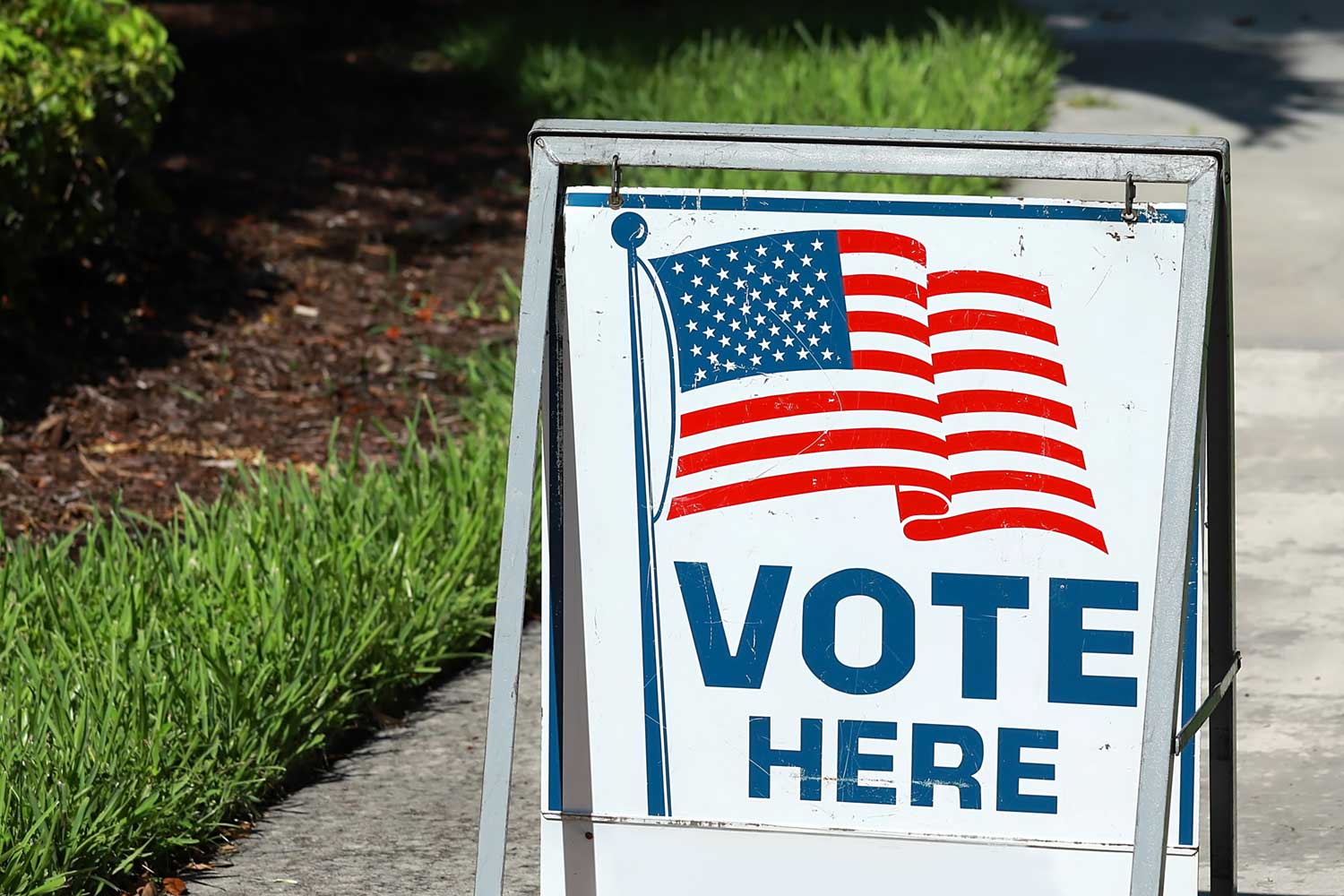
Only 36 hours after voting ended, we check in on the resilience of news organizations and social media platforms to meet the moment amidst an unprecedented election.
In partnership with the Knight Foundation.
Speakers
Charles Sykes, Founder and Editor-at-large at The Bulwark
Joanne Lipman, former Editor of USA Today and a Distinguished Journalism Fellow at the Institute for Advanced Study
Setti Warren, Executive Director of the Shorenstein Center on Media, Politics and Public Policy at Harvard Kennedy School
Kate Klonick, Assistant Professor of Law at St. John’s University Law School and an affiliate fellow at the Information Society Project at Yale Law School
Hosted by Jennifer Preston, Vice President of Journalism, Knight Foundation, and Vivian Schiller, Executive Director of Aspen Digital
Charles Sykes
Founder and Editor-at-large at The Bulwark
Charles Sykes is a founder and editor-at-large of The Bulwark, host of The Bulwark Podcast, and an NBC/ MSNBC contributor. He is also author of nine books and has written for The New York Times, The Atlantic, The Weekly Standard, The Washington Post, Commentary, The Wall Street Journal, Politico, The Los Angeles Times, Newsweek, Time.com, USA Today, National Review, The New York Review of Books, the New York Daily News, and other national publications. He has appeared on Meet the Press, This Week with George Stephanopoulos, State of the Union with Jake Tapper, the Today Show, ABC, NBC, Fox News, CNN, PBS, the BBC, and has been profiled on NPR. He has also spoken extensively on university campuses. Sykes serves as the president of Defending Democracy Together Institute, sits on the advisory board of the Democracy Fund, and is a member of the board of Stand Up Republic.
Joanne Lipman
former Editor of USA Today and a Distinguished Journalism Fellow at the Institute for Advanced Study
Joanne Lipman is a bestselling author and news executive positioned at the nexus of media and technology. She has served as Editor-in-Chief at USA Today, USA Today Network, Conde Nast, and The Wall Street Journal’s Weekend Journal, leading those organizations to six Pulitzer Prizes. She is also author of the bestseller “That’s What She Said,” about closing the gender gap. A frequent speaker and television commentator, she is currently the Distinguished Journalism Fellow at the Institute for Advanced Study, and an on-air contributor at CNBC. Previously, Lipman was Chief Content Officer of Gannett, where she was Editor in Chief of its USA TODAY and USA TODAY Network, encompassing more than 3,000 journalists at 110 newspapers including the flagship title as well as the Detroit Free Press, the Arizona Republic, the Des Moines Register and the Cincinnati Enquirer. Under her leadership, the Network was awarded three Pulitzer Prizes and had an additional three Pulitzer finalists.
Setti Warren
Executive Director of the Shorenstein Center on Media, Politics and Public Policy at Harvard Kennedy School
Setti D. Warren is the executive director of the Shorenstein Center on Media, Politics and Public Policy at Harvard Kennedy School. He previously served as Mayor of Newton, Massachusetts from 2010 to 2018 and was the first African American to be a popularly elected mayor in Massachusetts. After graduating from Boston College, he began an extensive career in public service, serving as special assistant in the White House Office of Cabinet Affairs for President Bill Clinton; as New England director of the Federal Emergency Management Agency; and as deputy state director for Senator John F. Kerry (D-MA). Prior to running for mayor, Warren completed a yearlong tour of duty in Iraq as a naval intelligence specialist. He served on the advisory board of the United States Conference of Mayors, chairing the organization’s community housing and development committee, and is currently a life member of The Council on Foreign Relations.
Kate Klonick
Assistant Professor of Law at St. John’s University Law School and an affiliate fellow at the Information Society Project at Yale Law School
Kate Klonick joined the St. John’s Law School faculty in 2018. She teaches Property, Internet Law, and a seminar on information privacy. Klonick’s research centers on law and technology, using cognitive and social psychology as a framework. Most recently she has been studying and writing about private Internet platforms and how they govern online speech. Professor Klonick holds an A.B. with honors from Brown University where she studied both modern American History and cognitive neuroscience, a J.D. from Georgetown University Law Center where she was a Senior Editor on the Georgetown Law Journal, and a Ph.D. in Law from Yale Law School where she was also a resident fellow at the Information Society Project. She clerked for Hon. Eric N. Vitaliano of the Eastern District of New York and Hon. Richard C. Wesley of the Second Circuit. She is an affiliated fellow at the Yale Law School Information Society Project where she is spending the Fall of 2019 while on research leave to write on the topics of platform governance and oversight.
HostS
Jennifer Preston
Vice President of Journalism, Knight Foundation
Jennifer Preston joined Knight Foundation in October 2014. Previously, Preston was an award-winning journalist for The New York Times for almost 19 years, with broad experience as a digital journalist, reporter and senior editor. In 2009 she became the company’s first social media editor. In 2011 she returned to a reporting role where she focused on the impact of social media in politics, government, business and real life. Her most recent work as an editor focused on extending digital media and social media storytelling and curation across the newsroom. Since 2007 she has taught journalism, primarily at the Columbia University Graduate School of Journalism and the City University of New York Graduate School of Journalism. She frequently speaks about the role of social media in journalism at media and technology industry conferences. In 2013, she was elected to the board of directors of the Online News Association, and Fast Company named her as one of the top 25 women to follow on Twitter. She is the author of “Queen Bess,” a biography of Bess Myerson.
Vivian Schiller
Executive Director of Aspen Digital
Vivian Schiller is the Executive Director of Aspen Digital. A longtime executive at the intersection of journalism, media and technology, Schiller has held executive roles at some of the most respected media organizations in the world. Those include: President and CEO of NPR; Global Chair of News at Twitter; General Manager of NYTimes.com; Chief Digital Officer of NBC News; Chief of the Discovery Times Channel, a joint venture of The New York Times and Discovery Communications; and Head of CNN documentary and long form divisions. Documentaries and series produced under her auspices earned multiple honors, including three Peabody Awards, four Alfred I. DuPont-Columbia University Awards, and dozens of Emmys. Schiller is a member of the Council on Foreign Relations; and a Director of the Scott Trust, which owns The Guardian.
{"includes":[{"object":"taxonomy","value":"133"}],"excludes":[{"object":"page","value":"152051"},{"object":"type","value":"callout"},{"object":"type","value":"form"},{"object":"type","value":"page"},{"object":"type","value":"article"},{"object":"type","value":"company"},{"object":"type","value":"person"},{"object":"type","value":"press"},{"object":"type","value":"report"},{"object":"type","value":"workstream"}],"order":[],"meta":"","rules":[],"property":"","details":["title"],"title":"Browse More Events","description":"","columns":2,"total":4,"filters":[],"filtering":[],"abilities":[],"action":"swipe","buttons":[],"pagination":[],"search":"","className":"random","sorts":[]}
The threats posed by mis- and disinformation loomed large ahead of 2022. What are the risks that faced the elections and what can we do to counter them?



 Facebook
 Twitter
 LinkedIn
 Email