hi everybody thanks for joining us todayfor our presentation that we’re callingintimacy in isolation it’s about howtechnology impacts human connectionduring this current pandemic my name isVivian Schiller and I’m the executivedirector of Aspen digital we’re verypleased to co-present this event withour sister program in Aspen which iscalled weave it’s the social fabricproject so long ago in a distant era bywhich of course I mean say January ofthis year there was a lot ofhand-wringing about how screens aretearing apart the fabric of societydigital detox was the craze people werequitting Facebook quite vocallysometimes a little self-righteously infact sherry Turkle from MIT who wassupposed to be one of our paneliststoday but sadly has fallen ill wrote abook about that about what technology isdoing to society and what’s happeningwhat’s the impact of all of us staringat our screens instead of talkingdirectly to each other or looking out atthe world her book was called alonetogether and it’s quite ironic since nowI think we could argue that the state ofour society and the societies around theworld is that we are together alone mostof us at this moment cannot imagine whatwe would do without our screens I thinkall across America that notion oflimited screen time for kids is prettymuch out the window but what’s the longterm costs of the way that we are nowconnecting with each otherI’m very very fortunate to be joined forthis session by some really terrificfolks who are going to give us somegreat insights here I am first of alllet me just mention David Brooks he isof course the New York Times columnistauthor of many books and the founder ofweave Aspen’s weave program which againaddresses connections across communitiesI’m also joining us today in andthank you in place of Shari is MohamedAbdelkader he is also an aspen colleagueand runs the Stephens initiative whichcreates and runs people-to-peopleexchanges between youth in the UnitedStates and Middle East and North Africaso he has quite a bit of experience andinteresting insights for what it meansto connect people remotely withtechnology and to really create thatvery human connection and finally we’llbe joined by Daniel Basque and she is aproduct designer multimedia artist andserial entrepreneur who has reallyleaned into this moment with a very nowpopular app called quarantine chat we’regoing to begin with Danielle who willgive us an overview of what tech peopleare using in lockdown and then we’regonna have a conversation I’m gonna havea conversation with Danielle and Mohamedand David and then we’re gonna open itup to your questions now just a littlebit of instruction about the QA if youlook at your screen at the bottom you’llsee a button that says QA prettyself-evident just click on that buttonand type in your questions that’s allyou need to do you will also see and youcan do that any time starting now allthe way through the rest of the webinarthere is also a chat button you’rewelcome to you know tell us if you’rehaving if there’s any connectivityissues or anything like thatdon’t put your questions in there wewill be monitoring just in case you messit up it’s not the end of the worldplease use the Q&A button for thosequestions and we will get to themshortly when you put in your questionsif you don’t mind if you’re comfortableplease write your name and also youraffiliation because it’s actually quiteinteresting and helpful to know whenyou’re asking your question where whereyou’re coming from finally an apology inadvance this is technology and as I’msure many of you have been experiencingin your day to day life since we’ve allbeen working from home things do gowrong and inevitably they will go wrongso if we freeze up for a minute if we godown and we have to come back up I guesswe just ask your indulgence in advanceso with that I’d like to bring inDaniellewho will be popping up on the screenthere she is hi genja thank you forjoining us from the west coast soDanielle we’re gonna turn it over to youand you can just talk to us a little bitabout not just your app but what you’reseeing all over there and I will go offcamera and leave it to you alright I gotthis okay cool um you can see my slidealright so I actually feel like I’vebeen missing out on so many virtualevents I’ve been running quarantine chatfor the last three weeks which seemslike a long time now and we connectstrangers who are in isolation in arandom one-on-one to talk on the phoneand because of this I actually have thisunique vantage point where I’ve beenlearning about other people’s virtualgatherings all over the world becausewhen they’re talking about what they’redoing that day it sometimes includeslike oh I went to a Zumba Club or I wentto this rave actually um the other nightit’s I was matched with someone in NewYork and my phone rang while they werein the middle of a virtual card game andthey invited me to play with them so Iwas like okay sure and I suddenly joinedtheir Google hangout I was with tenpeople I didn’t know and played theircard game and at around nine fifty fivepm someone says oh I’ve got a I have togo to this zoom raise at ten does anyonewant to come and so I could have youknow got matched randomly on quarantinechat join us Google hangout could haveleft with someone else and gone to thiszoom rave I couldn’t because I had toI’ve been working nonstop on onquarantine chat so I couldn’t go to thezoom rave but this was not the only timeI was invited to one I’ve been invitedto twitch raves and it’s not just ravesbut there’s so many events happening onTwitch in all all Performing Arts likethere’s comedy puppet shows and you knowtheater groups and all kinds of musicyou could attend a harp concert andwhat’s happening is a lot of these youknow typical performing arts andleaders have shifted to streaming onTwitch and then accepting you know theyhave a patreon or they accept donationsthis is an interesting website calledour house which is actually it’s sort oflike TV so if you are a creator you getpaid to create an hour-long show that’sbeen broadcasted at a specific time andpeople who are watching are welcome totip you so this is running 24/7 and I’vejust seen lots of interesting virtualevents springing up some friends postedon Twitter that they were in Second Lifeand welcome to anyone to hang out withthem and I couldn’t attend this but it’sinteresting to see platforms like SecondLife which were popular you know 10years ago people are going back intothese virtual worlds that were built awhile ago in there you know doingexperimental hangouts and now a friendof mine also started doing you know he’sdressing up like a wizard and he’s doingone on one zoom spell casting andthere’s all the people I think peopleare using these technologies in astrange in a strange and creative wayyou know things that wouldn’t normallyhappen on Twitter now happening onTwitch so something I have beenattending my friend my friends Kate Kateand Anthony have this standing dinnerparty every Sunday night so anyone canpop in and they live in New York SonoranI live in San Francisco so normally Iwouldn’t be able to attend their dinnerparty but now I could and this ishappening weekly and they usually sendout a recipe so everyone who’s attendingcould make the same dish and eat ittogether and it’s nice to have thisstanding ritual and it’s not just dinnerparties I mean I’ve been invited tointeresting events where it’s like oh gosearch go search your home for a uniqueobject and then do a show and tell aboutthat object and so I like the idea thatyou know we’re incorporating our lookwe’re exploring our home environmentsand then coming together with peoplethat you know or with strangers and andsharing that I’ve actually noticed in alot of zooms thatpeople are getting creative withbackgrounds you could you know changethe whole background of your zoom a lotof you know work from companies workingfrom home are doing this to make thezooms more interesting and light-heartedI actually started something called thevirtual background Awards which is acontest whoever has the most interestingzoom background will win and there’sbeen over 150 submissions all sorts ofcreative backgrounds this is one of my Iguess pandemic related art projects ofdoing better sort of you know joyful andand light-hearted I actually joined Ijoined this this Facebook group this wasthe first week of March some friends ofmine started a Facebook group called thequarantine residency which was basicallylike oh if you’re you know stuck insideand creating artwork or creatinganything you can share it and this groupgrew from like 10 people in the courseof a month to a thousand people so everyday people are posting unique work and alot of the work is sort of related to tothe pandemic I mean this if you look atthe left that’s actually someone’sgrocery shopping list and supplies listthat they are turning into drawings sothey’re sort of documenting the strangetime in their life and the image in themiddle is someone made an antimicrobialoutfit for their baby out of them out ofcopper fabric and then there’s like anetching and someone made a stain and aknife out of chopped up glass butthere’s all sorts of interesting thingsand it’s not just this artist group Imean there’s so many of these uniqueFacebook groups that are springing upthat have more activity than usual andhaving people all over the worldsuddenly join I’m in something calledthe quarantine cookbook which is a placewhere you can share what you’re whatyou’re cooking and it doesn’t it doesn’thave to be I mean there’s a lot ofreally great chefs in here but you couldalso just say like hey I’m feelingyou know upset about what’s happening inthe world and I’m just you know I didn’thave time to make myself a nice dinnerand I’m just having a bowl of cleanpasta and you can post that and peopleare very supportive I’ve just noticed ina lot of these Facebook groups it seemslike everyone is very very friendly andsupportive and open to all thesestrangers joining because this is artthis is the way that we all communicatenow there’s something called thequarantine gym and you could post yourworkout routines and this thisparticular yoga video actually learnedabout I posted some I posted this videobecause I was on one of my quarantinechat calls and someone I talked to toldme that he talked to youthis flight attendant in Las Vegas andthey were talking about workout routinesand she recommended this video and sortof like through the lines of quarantinechat this video came to me and now I’msharing it and so I I do get all ofthese tips from people I’m randomlyconnected to on the phone which is whichis pretty interesting something elsethat I learned about through quarantinechat and I’ve also seen this on Twitteris a lot of virtual virtual hangoutshappening in the game Animal Crossing ifyou’re not familiar with it you’re sortof this cute little avatar in an on anisland and you can create your ownvirtual world and invite people overlike a very cute very cute second lifeand you can chat and this this project Ithink is pretty fascinating an artistcreated a a simulation of the MarinaAbramovicperformance piece the artist is presentwhich was something that happened in NewYork at MoMA I think in 2010 wheremarina was sitting in a chair and wouldjust you know sit with you there was along line and anyone could sit acrossfrom her and she was just there with youand this existing in a virtual world ispretty interesting so you know anyonecan can come to this island and yourhome on your computerand the person that created this is homeon their computer and you’re not talkingor just you know they’re together whichi think is kind of fascinating this sortof like like need to just you know knowthat you’re not alone in existing in avirtual worldand there’s also like all kinds ofinteresting stuff in Animal Crossinglike someone created this insect museumand you can come and visit and Iactually like I keep learning about allthese events happening digitally I’msuper busy with quarantine chat becausewe have like a thousand people joiningevery week so I feel like I’m missingout on these events I also feel like I’mspending so much time in front of mycomputer that I when I have moments Ican take a break I don’t necessarilywant to enter virtual world I actuallyrun in quarantine chat is kind of thisnice break I guess because when my phonerings I can actually step away from mycomputer the other night I was just um Iwas actually making dinner I waschopping garlic and my phone rang andconnected me to this lady in Tahoe wholives in the woods and she is a secondgrade teacher and we talked for an hourabout you know so many things I meanabout the economy about her fears aboutyou know her relationship with herparents and I asked her she’s a secondgrade teacher and I asked her you knowif they moved classes to like virtualweb webinar style classes and she saidno you know I you know where I live alot of a lot of the people around mechose to live without technology likethey’re not you know they moved to thewoods because they don’t like use theInternet at home and we do I’llcommunicate through phone calls and soshe was very interested in the app butshe’s no you know doesn’t spend time onsnapchat Instagram but was interested injoining us app and I thought it was kindof cool that I got connected to her butI mean not just her there’s a lot ofpeople that are you know joiningdifferent technology that they wouldn’tnormally use becausethis is the only way they cancommunicate with people and I like thatyou know these technology is like youknow Facebook groups and all of thesespontaneous zooms and even with our appquarantine chat that we’re connectingpeople that normally are not like in theloop of what the most popular technologyis and all of these unexpectedconnections are happening betweenstrangers okay thank you so muchinteresting you know it’s it’s it’sinteresting to me I mean there’s a lotof technologies I think most of us maybe of a certain age I haven’t heard oflike Animal Crossing and I know abouttwitch but i don’t use twitch but it’sinteresting what you’re doing withquarantine chat because it is as you sayit’s it’s a good old-fashioned phonecall so i’m curious why you why youchose sort of the voice medium whenvideo seems to be ubiquitous as a way toconnect people yeah there’s a bunch ofreasons i mean i think right noweveryone’s experiencing a lot of screenfatigue right so like your you knowyou’re working on your computer and thenyou take breaks or hang out with friendsalso by sitting in front of yourcomputer and you know after a while likeseeing all you know just sitting infront of your screen the entire day it’slike hard to form new memories or likeget up and do things and i like the ideathat you know with a voice call youcould you could like go look up a windowor you could like walk around or you cansit in different places one of ourpromises describe what you’re whatyou’re seeing out the window toencourage people to like get up and kindof you know change look changeenvironments but the main reason andbecause i’ve been you know we i we builtdial-up a year ago me and my friend maxhawkins and i think there’s somethingmore intimate and vulnerable about likethe audio space i think you can kind ofobserve this phenomenon if you’ve had areally great conversation while you’redriving with someone in a car you’reboth looking straight ahead someone’s inthe passenger seat and having you know imean there’s some you can really open upwhen you don’t have directI contact and you’re both kind of youknow just listening to each other’svoices yeah well that that’s true andanybody that’s ever worked in publicradio like myself and and also DavidBrooks that we’re gonna bring on rightnow can tell you about you know theprevent the power of the intimacy ofradio and the fact that you have thissound you know especially if you’rewearing headsets this sound in your earhow that is such a such a humanconnection but I want to bring in bothDavid and Mohamed if we can get them onour screens that would be great okaythere’s Mohammed and hi David thank youthank you for and just a reminder toeverybody that Q&A button on the bottomwe’re gonna have just a conversationamongst us right now but we’re seeingthe questions starting to come in pleasecontinue to post questions to that Q&Abutton again a reminder please if youfeel comfortable add your name and youraffiliation it just makes it moreinteresting and we’ll get to that in afew minutes but um I want it turned overto you David because I you know this issomething this this form of how we talkacross differences is something that youare deeply embedded in and I want toknow to what extent do you think thistype of interaction would this change inour interaction change does what itmeans to be a community or a societyyeah I’ve been slightly won over by techI enter as a tech skeptic you know justif when they do University of Michiganthey did studies where they had peoplein person solve a math problem a groupand then other people who werecommunicating electronically and thepeople who communicate electronicallyjust couldn’t solve the problem and thepeople in who were in person just couldsolve it easily because there’s just somuch information flow that’s a gestureit take something that’s so subtle thatyou can’t do over the Internet so I wassort of skeptical in those grounds andthen I’ve been sort of skeptical on theway social media in particular hasaffected our society and mostly for theworseteenage depression is up as tripled inthe last generation teenage suicide isup by 50 to 70 percent and so a lot ofthatcorrelate so well with the smartphonethat I come into this a bit of a skeptichaving said that I’ve been interviewingpsychologists all week about them doingtherapy online and mostly through zoomor FaceTime and they say they’re findingthe experience tremendously positive andthey say as long as you can get thevisual look at some of these eyecrinkles or their mouth movements andyou can hear the vocal tone then you canhave a pretty good intimate relationshipand so I take them at their word thatthey you know they think being togetheris not being intimate and they emphasizethat if you’re really going to satisfyyour social needs it can’t just be ashallow conversation you’ve got toactually talk about real feelings andtalk about real things but they they’revery much agree that that thistechnology that I’m not talking youthrough is positive and then with theweave program we’ve been launching withhundreds I think three or four hundreddid these little dinner groupcompartments the organizations we’vebeen launching all these virtual dinnerparties all around the country and jointhem at weaving twenty20 org and there’sa tremendous uptake all of a sudden andso I would say my experience of onlinetechnology and online communication hasbeen more positive in the past threeweeks than at any time prior do youthink though that’s interestingparticularly speaking about theconversations you’re having withpsychiatrists they said they’ve beenthey’ve found it’s very effective arethey suggesting are you suggesting thatmaybe it’s even more effective thanperson-to-personactually physically being in a roomtogether do you see this is somethingthat will continue once we’re no longeryou know locked in our homes I know Idon’t think that I think they arefinding it effective but not better andand that’s in part because the groupsthat communication and intimacy isreally based on the rapid exchange ofback and forth and this medium makes alittle harder to do back and forth andwhen you’re in person and let’s also notforget that we’re mammals and that wesets of smell is super important in waysthat are below our level ofconsciousness and so people who losetheir sense of smell suffer greateremotionalduration and people who lose their senseof sight or hearing and so we don’tthink about that that much but it’sgoing on all the time and so in-personis still gonna be this but this can bepowerful I mean I’m I’ll just saypersonally I was seeing a woman thefirst time I ever thought well we shouldreally get marriedwas that FaceTime so I had thatsensation through FaceTime and so it canbe very powerfulanother quick anecdote I was friendswith woman who was dating a guy andthey’d been dating like three months andI said well are you have you FaceTimeyet and she said oh no we’re not readyfor that just somehow that sense ofFaceTime is it they she thought that wasa deep step in the deep relationship itwas almost too intimate yeah MohammedI’d love to bring you in so you’ve beenyou know with the Stevens project youhave been connecting you know speakingof teenagers David was referring to howsmartphones has you know has perhapsexacerbated cases of anxiety and stressand depression among young people you’vebeen bringing young people togetheracross borders long before this pandemicstarted it must be some reallyinteresting insights that have come outof what it means for them to have thatvirtual connection to talk to us alittle bit about that absolutely thanksVivianyeah the Stevens initiative works toconnect young people in the UnitedStates with young people around theworld but in particular the Middle Eastand North Africa through technologyusually this is integrated into aclassroom and we’re talking aboutstudents who have had their instructiondisrupted now and they’re at home andlooking for that intimacy so a couple ofthings a couple of observations first ofall to share we’ve got acknowledgedfirst of all just the privilege that weall have to be able to have smartphonesand computers and broadband internet toallow us to connect with loved ones andfamily members because so many youngpeople are going home to situations nowthat school is not in session withoutthat technology to to provide any sortof connection so there’s a huge digitalinequity there’s a huge digital dividethat is an underlying premise here thathas to be addressed and I know a lot offolks out in the tech community ofcertainly working on those things thatbeing said a couple of just observationsin terms of some of the Prothat we have run and we should bereaching about 40,000 students by thesummer of 2021 through some of ourprograms so we’ve had a quite a bigpopulation of students who participatedin Stevens Initiative programs one thingI would say first of all is that videodoes make a difference now oftentimesstudents who are able to connect with aclassmate appear abroad using that videoit really does make a difference interms of the their self-reportedinterest in the program their excitementabout the program and their willingnessto continue so that’s certainly onething that that really does make adifference seeing someone’s face havinga conversation hearing their voice don’tunderestimate the value of thatconnection even if a program later ongoes into what we call asynchronousmeans so text-based communication maybestudents are collaborating on a GoogleDoc or working on a shared project orwriting something together that initialvideo interaction is important toestablish a relationship and teachersplay a role in that and now parents canalso help facilitate that perhaps withcousins who live across the country withother relatives around the worldso certainly something to keep in mindsecond thing is is is a piece aboutintrospection again virtual exchangetypically takes place in a classroom inan educational context certainly ourpartners are having to shift to this newreality but introspection is a big partof this this can be a a learningexperience for young people because whenyou’re talking to someone you know toDavid’s earlier point you’re not sittingacross from them some of the sensoryelements are missing so you’re having toovercompensate almost a little bit andbe a bit introspective many of theprograms we support are focused onidentity so students are thinking aboutWho am I where do I live what’simportant to me and then they’relistening for those cues from their peerabroad and in many cases that causesthem to stop and pause and think aboutoh well that’s interestingI didn’t think about that how are wedifferent how are we alike andunderstanding perhaps those thosemarkers that’s really important andcertainly teachers educators at both thepost-secondary and k12 level play a rolein helping students synthesize andunderstandwhat they may have just heard in avirtual exchange that’s certainlyapplicable in a classroom context butparents can play that role too for foryour little ones who are at home youknow if they’re connecting with a friendon the other side of town or a relativeon the other side of the country youknow there’s certainly some someteachable moments and parents can helpyoung people synthesize and last part asI’ll say that for the Stephensinitiative we have run some prettyextensive pretty extensive measurementto understand the impact of virtualexchange on some of our on our learnersand and we have seen statisticallysignificant movement on knowledge of theother on cross-cultural communicationand finally knowledge seeking and I onlysay that to say that if managed properlythe technology can work in your favor soI think you know yes there’s been a lotof critique of unlimited screen timethat perhaps is not helpful for thedevelopment of young people but if thatscreen time is constructive then I thinkthere’s another question there and Ithink we’ve got to dig a little bitdeeper on it but but yeah that’s allscreen time right now or quarantine chatby phone is really the only way tocommunicate outside of your householdI’m fascinated by what you what you saidabout having to covert perhapscompensate for the lack the sensoryexperience of being in person Davidtalked about that the primacy of thesense of smell and that without that weare that the kids you’re that you’rewhat you’ve witnessed is that these kidshave had to overcome some of that and beperhaps more it raises the level ofother sensation in order for them tohave that empathetic experience with theperson on the other side of the screenyeah I mean look we’re always continuingto the virtual exchange is a new fieldso we’re continuing to refine the toolsthat we use to measure the impact of itbut we have observed anecdotally is alot of students do have to dig in andand think about their values whereas youknow sometimes young people don’t haveto think about those things but but whenprompted by a facilitator and educator aparent it can make for a constructivedialogue where a young person says wellhow do I feel about climate change orhow do I feel about poverty in likeor hunger and the beauty of a virtualexchange experience is that you know youcan have a student in Virginia talk to astudent in Lebanon and they can bothtalk about what hunger looks like intheir communities and then they canactually think about it sort ofcollectively and say this is what itlooks like in Lebanon this is what itlooks like in my community and compareand contrast and recognize here thedifferences here are the similaritiesDavid I want to come back to you becauseyou know despite all the technology inthe world and and we’re seeing so muchpositive use both for deep humanconnection and also for entertainment insome cases or both really those two youare certainly overlapping what do youhow should we think about tools orstrategies that people can employ tofind the balance between digitalconnection and what a lot of people areexperienced loneliness you know feelingsof isolation maybe the wrong kinds ofconnection well I mean IAF hear people are gonna fall throughthe cracks here that we have a lot ofpeople who are really good at connectingand we’re taking the time to connect butwe have that in our normal society andyet we still are in a situation where asI say depression is risensuicide is written in prison by a thirdsocial distrust is plummeted and sothere are a lot of people who do feelalienated or out there and who are justnot as social as other people and theperversity of loneliness is that itmakes you suspect other people and soloneliness makes you suspect and detachyourself from the thing you need mostand so that’s still gonna be an ongoingproblem and it’s probably gonna be aworse problem we’re now in the middle ofpandemic which will probably I thinklead to a worse mental health crisisjust the joblessness by itself every 1%increase in the unemployment rateproduces a 3.5 percent increase inopiate addiction so we’re entering atime where social connection is going tobe even more stressed the good thingabout the last three weeks is thatsuddenly social connection is oneverybody’s minds and everybody is valuein connection and as Mohammad saideverybody’s working a little harder atit and what I fear is we do what we tendto do because we likefast food better than healthy food or welike little cat videos over other thingswe replace intimacy with stimulation andit’s easy to get sort of quick hitsocial stimulation by doing a lot ofthings it’s harder to get intimacy it’sharder to get actual community you gotto work at it and so that means havinglike conversations about or not evenstuff fun conversations about realsubjects and asking real questions Ihave a bunch of favorite questions youknow that I can ask somebody and thenI’ll actually get to know them like whatwould you do if you weren’t afraidwhat’s your biggest fear in your life oreven simple questions why do you do whatyou do how do the dead show up in yourlife how does the heritage of your pastshow up in your life and if people arewilling to have those kinds ofconversations that this technology isperfectly great for actual intimacyactual community I was speaking to apsychologist psychiatrist named MaryWelsh at Columbia this week and she saidtake us slow take time to have a slowconversation if somebody says somethingimportant say okay I’m gonna sit hereand I’m just gonna think about that fora minuteand she literally will sit there insilence for 90 seconds which to me isn’tas a New Yorker is incredibly a longtime to sit in silence but she says youhave to just sit there with some thingsanother psychologist in the bay areasaid always say and is there more and isthere more and just by saying that afteran important conversational thing youget the person to reveal another layerand so to me it’s conversational work aconversational skill that leads to themost fun which is actually getting toknow somebody rather than just having ayou know a 30 second or 30 minute hitwork so interesting I’ve always feltthat the most the most profound questionyou could ask to anybody in any exchangeis tell me more about that say more it’sit always leads to a great insight Iwonder though if a lot of theexperiences that people are gravitatingto some of which Danielle showcased forus are the opposite of that sort of slowconversation that introspection thatthoughtfulness that it is maybereplacing this feeling that some of thatis filling this this loneliness gap withjust you know animal crossing sorry Idon’t mean to pick on it I think the mixrightyou could simultaneously be in smallintimate zooms with you know for friendsbut then also play Animal Crossing Imean you can have serious conversationsalso seek simulation as long as you’rekind of balanced I want to just addressthat to you know one of the trends thatwe’ve seen in the educate on theeducational side its thing is for awhile there was a huge movement towardsMOOCs right these massive open onlinecourses but some of the some of theindications that we’ve received fromfrom some MOOC providers is that there’sa desire from students to connectbecause in a MOOC with two three fourfive ten thousand students you’re reallynot developing any sense of community orconnection there’s one of the greatthings about being on a college campusso how can you essentially usetechnology to simulate that and there’sbeen some movement towards essentiallysmaller online courses that follow thatmodel so that students can build arelationship with one another back toDavid’s point that we are going tocontinue to search for connection we’regoing to continue to search forcommunity I think going forward ifanything now we’re just more consciousof it yeahso thank you we’re gonna we’re going tostart to go to your questionsagain the Q&A button on the bottom ifyou can please list your name and youraffiliationI think that’s would be that’s just veryvery insightful so I’m gonna begin withit with a couple of the questions andI’m just gonna read them out so a tagread no affiliation they’re asked aninteresting question I don’t know ifit’s there’s a technology solution butI’ll ask it anyway for children shouldwe fear the normalization of distance asa new norm fascinating fascinatingchallenge David I’m gonna call on youfor this one yeah I think when this isover we’re gonna have an even greaterhunger to get together and I’ve been I’mtrying to get together with musiciansand have a series of concerts called thegreat reset that you know when it’s safeto be togetherI think the all the stuff we took forgranted like the crowded bar or acrowded concert we’re gonna value allthe moreand so I I suspect there are some thingsthat are gonna be long Stanfrom this I actually think zoom callsare gonna be long standing as ajournalist I like to talk by phone so Ican write notes while the person’stalking but now when I write contactsthey sembly somebody they say no I wantto do it as a zoom call but as for thethought that we will that children oranybody else will get normalized towarddistance I think that’s not going tohappen I think we’re gonna rush backinto each others arms yeah it’sinteresting I feel like even you knowbefore the pandemic a lot of kids arecommunicating on Instagram and sort ofliving very much in the virtual worldsyou know through yeah games snapchat andso it’s like all it’s always ingrainedin them to have both a virtual self anda physical self I do just want tocomment on one thing because I I thinklook children are resilient but we can’tunderestimate the the impact that youknow that this pandemic is having oncommunities not just here in the UnitedStates there’s a lot of folks around theworld who are displaced refugees whojust don’t have any healthinfrastructure around them and as as aswe think about you know getting out ofthis getting back on our feet you know Iwas on a discussion the other day with agentleman named Paul LeBlanc who’s thepresident of southern New HampshireUniversity Paul was prophetic and sayinglook as we continue to get back on ourfeet if we don’t pay attention to theneeds of communities now they won’t bethere with us in September OctoberNovember whenever things get back tonormal they will have been left behindso absolutely to the point of ready togive everybody a hug but we do have tothink about the needs of thosecommunities and bring them along with usso that when we’re back on our feet theyare also on on their feet as well withus Mohammed I’m gonna direct this nextone back back back to you as wellbecause you talked about equal you knowunequal access to technology so Miriamasked how sorry Joely Miriam how has thecombination of global quarantine andincreasing access technology createdmore inclusive spaces maybe this isn’t atech access but more about inclusivitydo you think these new technologies canbe leveraged post pandemic inpipeline mystic power look I mean Ithink some platforms do really well thisis perhaps getting a little bit a littlebit technical we think about it from aneducational perspective of you knowrural kentucky rural morocco what doestheir bandwidth look like to be able tohave one access to internet – do theyhave the horsepower you know so to speakthe muscle in their devices to be ableto connect those are to just very basicaccess points in so many schools so manycommunities here in the United Statesdon’t have strong access so I would sayif anything it’s highlighted theinequities in our system rather thanyeah sure can people connect to theinternet more easily than they couldtwenty years ago yes absolutely thereare many more people online but thatbeing said given how central theinternet is for basic businessfunctioning getting you know importantinformation during a pandemic that iscritical to your quality of life whetherit’s accessing whether it’s accessinghealthcare directly getting informationfrom the CDC or or or figuring out howto get your your stimulus check you knowthe Internet in many ways is is the thechannel and the avenue for folks to dothat so in many ways yes have morepeople become connected absolutely butit also highlights that a lot of peopleare still not connected yeah very muchsoDaniel this one I’m gonna direct at youthis is from Jocelyn brew or asks a veryinteresting question do you think thatwe will move on from the idea of screentime I think she means as a concept andmaybe the approach and the approach oflimitation instead shifting to focus onwhy we are using what tech and for whatpurpose very interesting question Ithink getting at the notion you won’tall of these tools just be integratedinto our into our lives in a way whereI’m interpreting this question becauseI’m very interested in this in theanswer to this – which is you know whatnot to just think about you know screentime versus real life a more integratedoh right I mean yeah like maybe you haveportals around your house that can Imean it’s interesting I do feel likeI do feel like there’s a lot ofpotential with creativity with thescreen like if you know there’s moredevelopments with VR or virtual worldshaving you know it gives you othersenses that could augment realityinstead of you know trying to imitatereality so I think like technology canbe used in a way that isn’t trying tosimulate but rather create additionallayers on top of itas for like formats like for forconversations I prefer phone calls Iprefer audio because you know sit seeingsomeone’s so seeing someone sitting aschair isn’t important to me I think likemore I think it’s going to be a like apersonal preference of like what type ofvirtual communication you want and we’regoing to see more ways to communicatevirtually but the the goal of the goalof virtual communication doesn’t have tonecessarily I mean it could replicatelife but if you’re going to have ascreen like you could do something elseinteresting with it I’d say it thescreen is less important at Vivian thisquestion does raise thoughts then thescreen is less important than theemotional content of the communicationthat’s going through it and so if you’rehaving a hard conversation aboutsomebody you love then the fact thatit’s a screen or not is is not thatimportant you’re having a hardconversation with something you love butwhen you look at say that why there’sthis epidemic of cutting and depressionamong teenage girls that emotion iscomparative where they feel they’rebeing compared to and found wantingand so that’s a different emotionalvalence and then if you look at Twitterit’s it’s also competitive it’s myopinion is better than yours or you knowor Instagram is a little my life isbetter than yours and then a lot of thethe technologies now are people have asense they’re being judged and so I’vebeen reading a lot of the bestsellersthere’s a big bestseller series calledgirl wash your face by Rachael Hollisand there’s a guy bestseller by a guynamed Mark Manson the subtle art of notgiving an F you I can’t say at an aspenForum but and those are based on theideathat opinions everywhere we’re beingjudged everywhere I’m suffering underthe tyranny of opinion and so you cansee less thinking less about screen timeversus not screen time then what’s theemotional quality of the screen for mymentor you see I know it’s early days inour isolation but do you see any anyshift in that in the last week’s I’m notsure I do I think a lot of the virtualcommunications happening have seemedlike in zoom it’s not a competitiveenvironment like you can’t see myfollowers I’m not trying to like talkover anyone to get more attention Ithink having like these more virtualintimate groups that are focused oncommunications between each other or notfocused on popularity and competition Ithink is way more healthy than you knowlike tick-tock snapchat where you’retrying to like be have better contentthan everyone else one thing comes tomind is I had i’ma have a virtual dinnergroup or I had a virtual dinner with agroup of people who were my friends andwe like yours we were able to havepeople who were far flung across thecountry join us for a dinner party andthat was fun and it was just a funexperience but I was haunted by a sayingbut a guy named Igor Patel who said themore geographically dispersed ourfriendships get the more they becomesocially homogeneous to say we can findpeople sort of like ourselves who areall around the country and if we justsocialize with the our neighbors weprobably have a little more variety andlife hopefully if you’ll in the rightkind of neighborhood so I’m a littlehaunted by that but I do think zoom isthat you’re right it’s an it’s not acompetitive nasty environment it’s it’slike Instagram in a way that it’s anaturally friendly place I found yeahkind of like inviting your neighbor whoyou don’t know well you could you knowhave dinner with your friends and justget a random person to enter that’s whatwe’re doing it we’ve the waving dinnergroup thing we ain’t 2020 that’sinteresting David because you’re rightyou’re not you you know we even if evenif we live in says some of us do inneighborhoods that are more homogeneousthan we would like nonetheless as we goabout the world we’re bumping intopeople from all walks of lifeyou’re not going to accidentally bumpinto people when you’re you knowself-selecting on whatever platform thatyou’re on I really thought about thatthat’s the rent Danielle’s giving usrandom that’s true that’s exactly whatyou’re what crunching my goal yesserendipity and unexpected conversationsis something I think is really importantI will share that you know so one of ourone of the really great virtual exchangegroups out there actually has workedwith I think like tinder or match.com sothat when they actually normally duringthe school year they match up classroomswith classrooms that are you know in adifferent part of the country really tokind of avoid what David is talkingabout a sort of homogeneous interactionso that in in the you know the algorithmwill intentionally match you up withsomeone who may be doing somethingcurricularly similar than you but butfrom a different part of the country sothat students get that experience ofconnecting with folks were not like themand that’s a beautiful thing I’m gonnaintroduce a slightly political elementhere the courtesy of Laurie McDonoughwith the American Academy of Arts andScience sciences she asked do you thinkthat leaders but by whom I assume shemeans well I don’t know I’ll just readthe question we’ll be able to meet ononline platforms to develop plans toemerge from this crisis what were thelimitations be fascinating question sofar it’s been a mixed bag in myexperience certainly on a national levelin the United States at least it doesn’tseem to be it doesn’t seem to be atechnology impact it seems to be amechanism it seems to be still face toface maybe not as as socially distancethat we would as we would like yeahsomehow my mind went back to the CubanMissile Crisis in 1961 or to wheneverthat was and we don’t the world almostcame to destruction because the Russiansleader of Khrushchev and the Americanleader John Kennedy misunderstood eachother completely and they werecommunicating by cablesand once somehow it has the sense ifthey did a zoom call we might haveworked out a lot better and that youknow that may I find with a phone call Ican have a good conversation if Ialready know the person I sort of it canimagine their gestures and their vibebut with a zoom call you can get a lotmore right away and so I do think if ourpolitical leaders met face to facethrough this way it would I think itwould enhance relationships versus thephone not as much as face to face Idon’t observe them getting together atall in fact one of the narratives thatI’m afraid is going to come out of thisvirus is that abroad people live infaraway places that’s where danger isand we need to wall ourselves in evenmore I fear that as well Mohammed youwere gonna jump in yeah I want to jumpin because I think what leadership comesat all there’s there’s different levelsof leadership it’s not just sort of atthe federal level or at the state leveland I think if you do look at some ofthe activities going on online you knowI’ve personally seen friends who haveput together websites using technologyvery quickly just getting stuff up andrunning so that neighbors can help otherneighbors in need right delivergroceries to an elder down the streetyou know I think so so folks can respondI think it’s one of the beautiful thingsabout about the internet and technologyif you have access to it is that it doeshave a certain Democratic function ifyou again think about you know 2010 theArab Spring in Egypt you know that was afunction of leadership that was youngpeople sort of at the mantle usingtechnology to organize to quicklycommunicate through whatever meansnecessary to bring about a certain goaland I think here in this country we’reseeing young people and people incommunities all over the country respondat a community level now certainly ifwe’re talking about national securitythings I think just the platform’s haveto be secure that’s certainly somethingthat’s been highlighted in the last fewweeks with us with a few platforms whohave who have had some security issuesbut I think they’re working very quicklyto address that but at a community levelabsolutely sky’s the limit we are verygrateful to have not had any not tocurse the gods any zoom breeches so farI should never have said that out loudDanielle I’m going to direct this one toyou this is from my nation at thedemocracy funddo you have any thoughts on ways tomitigate screen fatigue and shorterattention spans during long videomeetings convenings that would typicallytake place in person I have to say thatthat that resonates with me and now thisis just me talking personally because itis one thing you have all thoseinterpersonal dynamics when you’re in ain a room but man these long zoomeetings are can be really tough yeah Imean I think like the thing that’sreally strange about zoom is thattypically when you have you know a groupconversation and you know there’s 20people sitting around you sometimes turnover to talk to your neighbor you breakout into smaller groups and you haveside chatter and that keeps you knowyou’re not constantly listening to theentire group and I think allow I meanthis this has to be a different platformor something that zoom builds with theability to possibly step away from yourscreen and have small audioconversations or to keep you knowswitching up what group you’re talkingto I think would you know make the wholeconversation more dynamic yeahinteresting we have a question fromDavid Moore who’s with the White HouseFellows Foundation currently physicalbehaviors in real life have people thatthe behavior we’re experiencing rightnow people maintaining physical distanceof course and sometimes avoiding eyecontact that’s what he is observing ishe’s asking is anyone else observed thatif so how much more difficult will it befor us to unwind the social andemotional distance when the pandemicends you know this this reminds me ofsomething you said earlier David aboutpeople who are people who tend toisolate are often suspicious of theother and I wonder so I’m now adding ontwo hits to David Moore’s question andsay do we think that this you know thismay be this sort of fear of the neighborwe’ve talked about fear of people inother parts of the world but even of ourneighbors as somehow dangerous to uswhich is what we’re experiencing rightnow what kind of impact that will haveon societal bonds yeah when this thingbroke I went back in read accounts ofpast pandemics going back to likethere’s a plague in Pericles Athens and300 years BC to1665 debut chronic plague the 1918 andthat contemporary accounts are all kindof shocking people really withdrew fromeach other immediately they stoppedcaring about each other all theobservers at the time the diarists likeDaniel Defoe said people even cut offtheir own children if they got sick theywere so afraid of contagion that theywere pretty beastly to each other and itanswered the question that I’ve alwayswondered about the 1918 flu six hundredand thirty-five thousand Americans diedI forget maybe a hundred million peoplearound the world and it had almost nocultural impact nobody wanted to talkabout it after it was done and maybe itwas because they were ashamed of howthey behaved how how much they lostcompassion for one another so I wentinto this expecting that some of thatbehavior this time I have to say my myexperience last three weeks has beenamazingly positive I I’ve found theentire country pretty much hewing tothis social distancing but also goingout of their way to be friendly that’sjust with my lived experience thatpeople are taking the extra step tocheck in on each other I probably spendmore time talking to friends in the lastthree weeks and the previous four monthsand people seem to me sort of cheerfulwere led to be set apart in order tofeel together so I’ve sort of thoughtthis is a moment where America feels anda lot better about or should feel a lotbetter about itself and maybe all aroundthe world because people arecounteracting the natural thing thisdisease wants us to do which is toalienate ourselves from each other Iagree with that to an extent because I Ihave really appreciated friends checkingin folks who I haven’t spoken with inyears from all over the world justchecking in on one another and andhaving that great sense of community butyou know we do have to acknowledge thatour Asian American neighbors are reallybearing a lot of the brunt of this rightnow you know you’re seeing drop in inbusiness and business for for Chineserestaurants for grocery stores aroundthe country you’re seeing a significantincrease in hate crime that the FBIrecently reported towards AsianAmericans so you know being both Arabhairin Muslim faith you know I my communitycertainly felt the brunt of this post9/11 and for years and years and yearsthat there is this ongoing xenophobiatowards the other and this is a realityin our communities that has to beacknowledged and pushed back and I guessmy message to folks would be to say looktrust the science don’t trust xenophobiathat’s a good message in any era wherewe’re right we’re coming up towards theend of our time and we’re getting a lotof questions I can’t even attribute itto one or two or even three three of ourparticipants on the call but it’squestions about what will endure whenthis is over and how can we sustain areal connection after the pandemic endsI guess I would even say so what what isper yeah what is what what will belasting and changed in a lasting mannerwhen this is done and I guess I willgive each of you a chance to respond tothat as our our final question Danielleyeah yeah I mean it’s it’s so impossibleto know like when when is the sea youknow will this happen with will wecommunicate like this for an entire yearI mean I think the I think what I’venoticed is like the ability to connectto so many different people in one dayand do so many different activities andmaintain all these relationships mightbe something that we continue doing solike continued virtual gatherings andalso you know it I guess for for likework related stuff a lot of companiesare now going remote because theyrealize they don’t need to be in thesame in the same place I think yeah willcontinue more virtual communications andI think another effect is that I meanwhat what David and Mohamed said is thatlike people are being more nice to eachother right like people are looking outfor each other and caring for each othercatching up with old friends when you’reused to constantly being on the go yousometimes neglect a lot of yourfriendships and I think the habit ofchecking in with people making surethey’re like you know doing wellemotionally well some will be a habitthat people continue to have let’s hopethatmohamad yeah I appreciate it Vivian I Ithink a couple things unfortunately wetend to have a short memory but what Ihope lives on through this is one just agreater emphasis all of us as Americansas global citizens have just a bettersense of our global connectedness thatour community extends beyond the one ortwo mile radius that we live in that ifsomething happens on the other side ofthe planet time and time again withinhours it can affect us here at home sojust a greater sense of ourinterdependence as a global communityour reliance on the earth and ourresponsibility to steward the earth andthe natural environment where we livebecause again that just has implicationson our health and finally I would saythe importance of a social safety netbecause as much as we do talk about thebeauty of technology connecting us thereis a reality out there of people gettingsick people will be falling through thecracks in communities from coast tocoast people around the world refugeeswho are you know without a home andwithout any sort of social safety net weare the richest country in the historyof the world and yet we don’t have asocial safety net to at least ensure abasic basic sense of dignity for ourcitizens and the world that we live inand I hope that that’s something that wewill take on going forward and take justa little bit more seriously beautifulvision David take us home ok I’ll beoptimistic too you know I do think thisdisease is like an x-ray on our societythat it reveals the things we sort oflazily tolerated and so we tolerated alot of social distance from one anotherand it now it makes that Friends Centerwe probably put too much of our selfworth invested in our career and ourcareers are now suddenly up the questionand we tolerate a lot of inequality andweirdness in times of crisis theunfairness of that becomes more apparentand so with this little pause here ofwhatever it is 2 months 3 months 6months and then we’ll come out of thepause and we’ll begin to will have achance to soar to begin afresh and thatdoesn’t happen very often in historythey all society or even a whole worldgets a fresh startand we’ll have that sense of a freshstart and sometimeyou blow it America after the Civil Warhad a fresh start and we screwed thatone up and we’re living with theconsequences sometimes you do okay afterWorld War two the world sort oforganized itself to create a world orderto prevent Wars and that worked outpretty well and so we’ll have the optionof doing a fresh start and what I hopewe can do is emphasize weaving andsocial connection but just pick tenideas that we all sort of agree on anddo some action about them things likenational service or emphasis on earlychildhood education you pick it and justcreate structure so we say okay we’renot going to go back to the way we usedto tolerate and so I’m not sure we’ll doall that but it’s an opportunity toreally start afreshfeel like I want to bring all three ofyou back one year from now whenhopefully this is a distant memoryrevisit this vision and see where seewhere we are because you’re bothpresenting a that I certainly hope comesto pass Mohamed Danielle David thank youso much for joining us thank you toeverybody for sticking with us for yourincredible questions we will have aversion of this webinar online a littlebit later where you can share it withyour friends look for that act onTwitter it at a spill and we will beback next week with another webinar onThursday at noon Eastern Time we’regoing to be looking at a very differenttopic how sir autocrats around the worldare using this moment as an opportunityto crack down on an independent and freepress under the guise of Public Health’sso I will be doing that with theCommittee to Protect Journalists sothank you so much and we’ll see you nexttime bye-byeyou
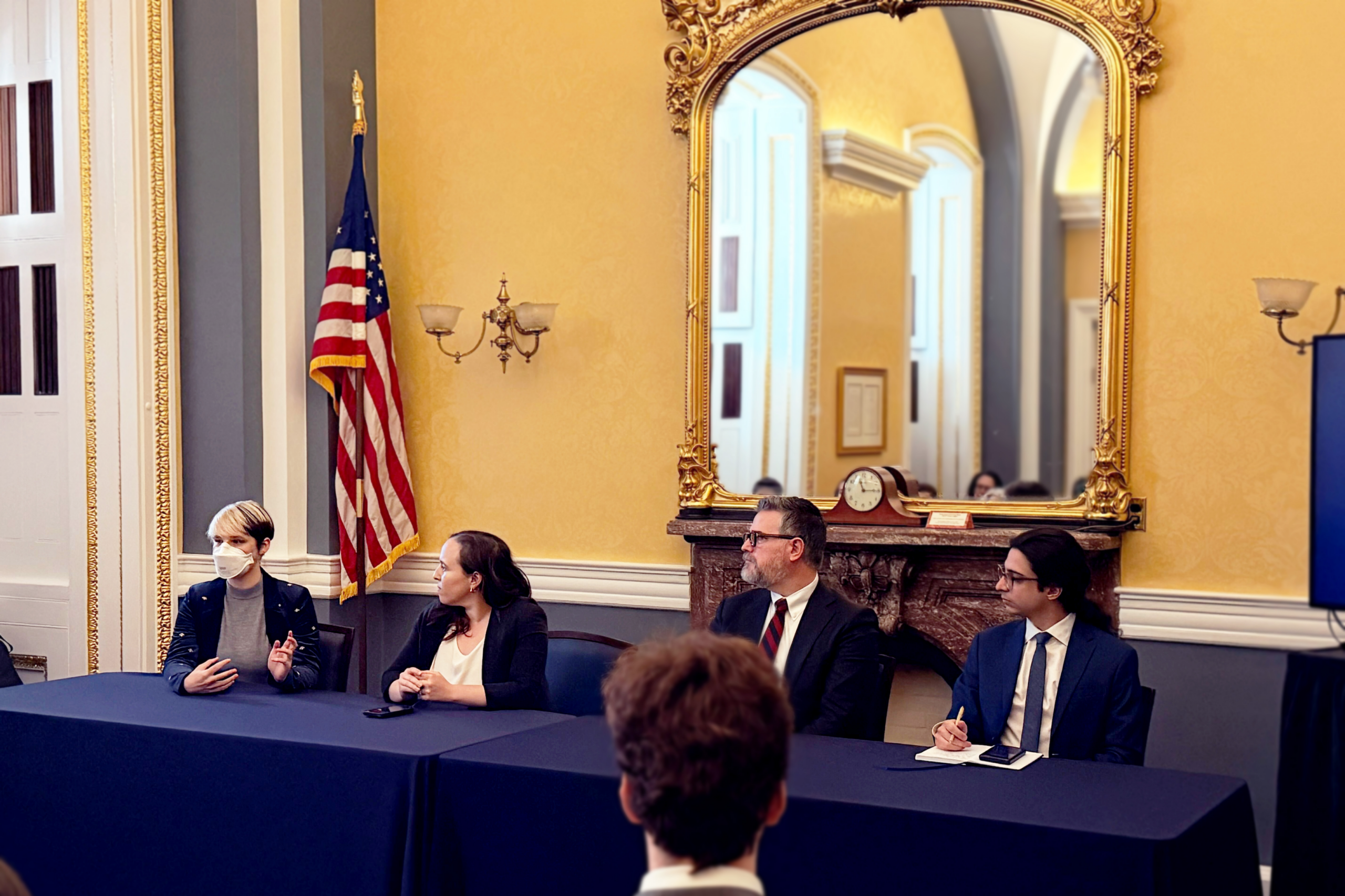
COVID-19 is challenging that most primal of human instincts — to be together. We’re just a few weeks into physical isolation and many are feeling lonely, agitated, and afraid. Advances in technology and widespread access to broadband have offered novel ways to connect despite the physical distance (aside from the now ubiquitous Zoom) — from Love is Quarantine to TikTok cloud raves to virtual happy hours to QuarantineChat.
As the timeline for the pandemic drags on, what about the potential long-term effects? Is this type of interaction sustainable? How can we even measure and understand its impact? To what extent will this type of interaction change our understanding of what it means to be in a community and/or a society? This conversation explores the opportunities and challenges of technology as a cure for isolation.
“Not only alone together, but together alone.” – Sherry Turkle, MIT
David Brooks founded Weave: The Social Fabric Project at Aspen Institute in 2018 and is its chair. Weave aims to shift our culture from one that values achievement and individual success to one that finds value in deep relationships and community success. Brooks is a columnist for The New York Times and a regular commentator for PBS, NPR and NBC. He has written five books, including his most recent, The Second Mountain, a #1 New York Times bestseller.
Mohamed Abdel-Kader
Executive Director of the Stevens Initiative at the Aspen Institute
Mohamed Abdel-Kaderis Executive Director of the Stevens Initiative at the Aspen Institute. He previously served in the administration of President Barack Obama as Deputy Assistant Secretary for International and Foreign Language Education at the US Department of Education’s Office of Postsecondary Education. Before joining the US Department of Education, Mohamed served as the Director of Development for the Edmund A. Walsh School of Foreign Service at Georgetown University and managed the university’s advancement strategy in the Middle East.
Danielle Baskin
Co-founder, Dialup
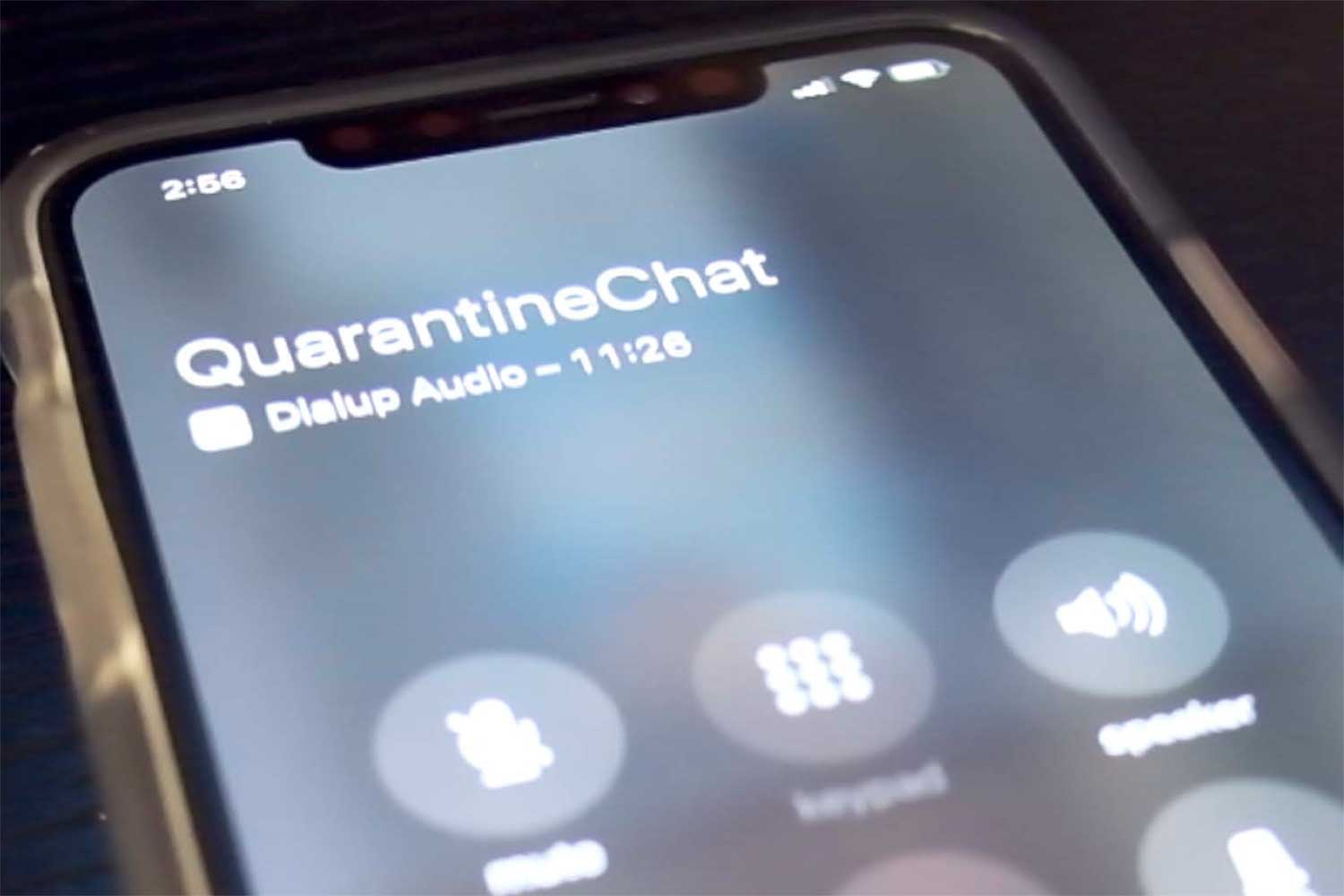
Danielle Baskin is a product designer, multimedia artist, and serial entrepreneur who co-founded Dialup, a voice-based social network reinventing the phone call. Dialup’s most recent project is QuarantineChat which connects isolated people across the globe to talk on the phone. Danielle previously worked as a designer for the immersive theater company Odyssey Works, creating custom-tailored plays for an audience of one. She is currently based in the Bay Area where she organizes public spectacles like LineCon and Oracle OpenWorld—centered around serendipitous conversations between unexpecting strangers. She is also a painter and tarot reader.
Vivian Schiller
Executive Director of Aspen Digital
Vivian Schiller is Executive Director of Aspen Digital. Over the last 30 years, Vivian has held executive roles at some of the most respected media organization in the world. Those include: President and CEO of NPR; Global Chair of News at Twitter; General Manager of NYTimes.com; Chief Digital Office of NBC News; chief of the Discovery Times Channel, a joint venture of The New York Times and Discovery Communications; and head of CNN documentary and long form divisions. Documentaries and series produced under her auspices earned multiple honors, including three Peabody Awards, four Alfred I. DuPont-Columbia University Awards, and dozens of Emmys. Schiller is a member of the Council on Foreign Relations; and a Director of the Scott Trust, which owns The Guardian. She is also strategic advisor to Craig Newmark Philanthropies.
{"includes":[{"object":"taxonomy","value":"131"}],"excludes":[{"object":"page","value":"130636"},{"object":"type","value":"callout"},{"object":"type","value":"form"},{"object":"type","value":"page"},{"object":"type","value":"article"},{"object":"type","value":"company"},{"object":"type","value":"person"},{"object":"type","value":"press"},{"object":"type","value":"report"},{"object":"type","value":"workstream"}],"order":[],"meta":"","rules":[],"property":"","details":["title"],"title":"Browse More Events","description":"","columns":2,"total":4,"filters":[],"filtering":[],"abilities":[],"action":"swipe","buttons":[],"pagination":[],"search":"","className":"random","sorts":[]}


 Facebook
 Twitter
 LinkedIn
 Email