my name is Vivian Schiller and I’m withAspen digital a program of the AspenInstitute I’m so glad you could be withus today on May 6th Facebook announcedthe first 20 members of the long-awaitedoversight board this is a majormilestone of an effort more than a yearand a half in the makingbroadly the idea is that Facebook ishanding over decision-making authorityor at least some decision-makingauthority over what shows up in yourFacebook or Instagram newsfeed turningit over to this independent body whosejudgment will be binding Kate clonic thelegal scholar who’s been closelyfollowing these efforts from the startpoints out that quote this is the firsttime a private transnational company hasvoluntarily assigned a part of itspolicies to an external body like thisand keep in mind Facebook is not justany company Facebook the Facebookcompany owns Facebook the product thatyou see on your on your phone they ownInstagram they own what’s up and as oflast week they now own giffy theseproducts are used by over three billionpeople around the world for them to giveup any control whatsoever is a big dealthat said the announcement has been metwith a deluge of opinions and not all ofthem favorable to say the leastKara Swisher said their task is likequote trying to push the ocean trying topush back the ocean with one handunquote and I will say that is one ofthe far more generous criticisms thereis skepticism there is cynicism andthere is downright hostility towardseven the concept of the oversight boardone Facebook critic who I know you’llemail me to say I should just cancelthis very session altogether as it quotecreates the illusion of progress wherenone exists unquote anyway you get theidea and we’re gonna get all into thatduring this hour but first who are theoversight board and what do they do theyare objectively a very impressive groupfrom all over the furel worlds theyinclude free expression advocatesa very noteworthy law professors famousjournalists a Nobel laureate even aformer Prime Minister we are very luckyto have four of the 20 with us todayincluding two of the four chairs theyare Jamal Green who is a chair he’s theDwight professor of law at Columbia LawSchool the second chair is MichaelMcConnell he is director of the StanfordConstitutional Law Center also with usis Evelyn Aswad director of the centerof international business and humanrights at the University of OklahomaCollege of Law and finally John samplesvice president Center for representativegovernment at the Cato Institute as webegin to bring them on let me just tellyou a little bit about what to expectfrom this hour we’re gonna do this inthree parts the first part is I’m goingto ask them some questions that ispurely just about fact-finding about theboard we’ve got I’m going to ask them toexplain to us exactly how this worksafter that I’m gonna ask them somequestions that represent some of thecriticisms that I’ve seen and some ofthe questions I have and then the lastpart hopefully a good half hour so willbe questions from you so let me explainhow you do that if you look at yourscreen right now you see at the bottomthe QA button just click on that and anytime starting right now you can begin toenter your questions I would ask youplease if you feel comfortable doing soto please add your name and youraffiliation and where you’re coming tous from it’s not mandatory but it’sreally great context to know who you areand again what your affiliation is soagain you can do that any time over overthe course from now till till fouro’clock Eastern Time and the very lastthings before we get started one I wantto disclose that Facebook is a generaloperating fund er of Aspen Digital theyalong with other companies andfoundations they are not the only onesbut please know that they have notreviewed any of these questions or theformat or any element whatsoever of thissession it is completely independent andthen lastly this is technology it failsI can’t promise you somebody soundgo off I can’t promise you will losepicture it happens just bear with us sowith that welcome thank you so much forfor the four of you to join us I can’ttell you how happy we are to have youand to hear from you so I’m just gonnajump right in again with some of thequestions about how this works I’m gonnastart with our two chairs um Jamal I’llturn to you please talk to us aboutexactly what kind of issues theoversight board has the authority todirect sure and thank you Vivian and I’mglad to be here and thanks for everyonewho’s tuning in oversee board is a is afinal decision-maker on various ariseFacebook and Instagram that go throughFacebook’s own content moderation systemand then when they’re particularlydifficult or controversial or raiseissues that might extend beyond the caseitself they can be appealed either byusers or by Facebook to the oversightboard we can then make binding decisionson that content in the course of doingso we can also give some advice toFacebook about how it constructs itscontent moderation policies and thedecisions themselves will be groundedboth in facebook so own communitystandards and its values and in valuesof international human rights so as Iunderstand it and correct me tomorrow ifI’m wrong but your decision-makingauthority is just about is specificallyabout reinstating content that has beentaken down by Facebook and has beenappealed and rejected and then you guyswill adjudicate those decisions and maymake a decision to reinstate thatcontent is that right but it’s not yourauthority does not extend and againcorrect me if I’m wrong to content thatis up that you recommend should go awayso the authority of the board when itcomes to the Charter and the bylaws ofthe boarddoes extend to both appeals of contentthat has been removed by a Facebook andthat someone wants to reinstate as wellas content that stays up that someonewants to remove at the moment of thelaunch which will be sometime in thenext few months we hope at the moment oflaunch we won’t be handling cases thatthat our cases of content that isstaying up that someone wants to removeand there are some technical and privacyrelated issues that make that morecomplicated but it’s anticipated by theboard thank you Johncan you talk to us sorry not JohnMichael I’m going to who is our otherchair on the call can you talk to usabout what decisions some of thedecisions of the oversight board arebinding Facebook has I think a matter ofdays once you make a determination totake an action and other decisions thatyou make our guidance for Facebook thatthey can choose to follow or not can youexplain what parts of your work arebinding and what is basically advisoryyou’re mutedsure and I wanted to emphasize buildingon what Jamal was saying that we are notfrontline you know internet cops youknow we’re not the ones who aremonitoring what’s up and just making youknow rapid-fire decisions about leavingstuff up or taking it down we are adeliberative a second look at the end ofthe process a kind of an appeal if youwill and and the advantage of this isthat it will be more deliberative andalso more transparent because we’regoing to be able to give the reasons forwhat we do and then the hope is thatthese reasons will carry presidentialweight as the as the online enforcerscontinue so they will take thesedecisions as instructions for how todeal with similar cases we have bindingauthority over the individual cases thatcome to us these will be users whosecontent is taken down they appeal withinFacebook there’s still not satisfiedthey come to us those individual casedecisions will be binding similarly asJamal says eventually we hope soon we donot really know because it’s a technicalissue the symmetrical cases involvingobjections to material left up will alsobe binding but in addition to this ofFacebook the company will be referringquestions of policy to us getting ourguidance and and that will not bebinding we will give our advice Facebookis obligated to react to it to respondto it publicly so that they will saywhether they agree with it or not thewhole of the system will be you know farmore transparent than than what it istodaybut that those will be advisory opinionsnot binding opinions so just if Iunderstand correctly the only thing atleast initially that is bindingis the decision that you might make toeither reinstates or agree with Facebookto leave out a piece of content that hasbeen appealed everything else that’sright right and can you say a little bitmore about precedent who is going to bemaking the decisions if you make adecision about an individual piece ofcontent and let’s consider that billionsof pieces of content are flying aroundFacebook properties as we speak who willmake the decisions about what otherpieces of content map to the precedentyou make the decision you make about apresidential piece of content this willsimply become part of the trainingprocess for you know there’s a thousandhuman beings were employed by Facebook Ididn’t realize how many there weretender at literally tens of thousands atthree different locations around theglobe who make split-second decisionsabout this and our decisions will be addto the training to the standards thatthere’s to apply so I’m gonna I’m gonnapick up on that on that theme thank youof split-second decisions Evelyn I’mgonna turn this one over to you as Iunderstand it the even after somebodyrequests that a piece of content that’sbeen taken down be reinstated theyappeal Facebook still says no then itcan go to you you choose what casesyou’re going to take and then you have90 days to make your determination aboutthat piece of content I believe that’scorrect you can tell me in a second ifI’ve got that wrong what about somethingmore urgent we live in a time of ofglobal emergency well thank you forhaving us on your program Vivian it’sgreat to be here and yes you’re correctgenerally when a user appeals we willneed to render our decision withina 90-day window that you mentioned nowfor a more urgent situation Facebookwill be able to refer a matter to us inwhat’s called our expedited reviewprocedure and in that case we will haveto render a decision within 30 days soin 1/3 the time we usually would rendera decision now that too is not overnightbut I think the point of our board is tolook at these issues that are going tobe so impactful and so controversial ina much more thoughtful manner thanotherwise as anyone can give to theseissuesJohn you know one of the some of themore controversial especially in thiselection year especially in the UnitedStates and let’s remember this board isglobal so they’re not just taking usissues we happen to have for usrepresentatives of the board on thisprogram today mostly for timezonereasons but John some of the morecontroversial content that ez they’reallowed or not allowed on content areads and when and again just a reminderto everybody I know you all understandthis an ad on Facebook is basically anyposts that any individual it could be acompany it can be a person has paid tobe amplified and they pay to amplifythat content to a specific type ofperson when you when you pay to haveyour content amplify to again I’m sayingthis for the audience’s purpose so muchnot so much for yours John you canchoose who that ad is targeted at youknow it can be men between the age of 18to 24 that live in a rural community wholove Game of Thrones I don’t know I’mmaking meta so so there is a lot ofcontroversy about those ads particularlyfrom campaigns continue and includingfrom others will those ads that are sucha source of controversy will those bepart of the remit of the oversight boardif an ad is taken down for example wellyou will that be part of the cases thatyou can hear so you describe thebusiness models for Facebook in generalit’s an advertising model a small partof it at the end of the daypolitical ads my understanding is wellfirst let me say that we had somediscussions or there were some publicdiscussions they included Facebook aboutthe advertising policy at the end oflast year and early this year and theyhave a policy about about ads that comedirectly from campaigns that policyexists my understanding is that aboutthe content of other ads or maybe ads ingeneral too will be within the remit ofthe board the content of them ordecisions about them but it’s acomplicated matter you see because theyalready have a policy and they’recarrying out with regard to thecampaigns and whether that will show upand they’ll ask for advice about thatit’s not something that I can predictcommittee one I would mention also thatbecause of a number of reasons but thedifficulties in getting together and soonwe don’t expect decisions really tostart coming down until Septemberprobably and maybe even later than thatit’s complications a bit but difficultbut that’s right now the target so youcan see that there would with regard tothe election it will be roughly in thatrange but certainly won’t include theentire election season you knowcertainly not in time to have much of animpact in terms of precedent for theelection I want to ask you the membersabout the terms of your arrangement withFacebook are you being paid first of allis a question I will throw out – Michael– you are the members of the oversightboard and the chairs being being paidfor this work yes yeah how much are youbeing paid well the individual amountsare not of public information but ingeneral is simply to compensate us foralternative uses of our time I see andwhat and I assume that you for thechairs will probably be putting moretime into this than the members whatpercentage of your time do you thinkroughly you would expect to beengaged on this I realize you’ve beendoing a lot of a lot of these kind oftalks in the last period of Pearson’sgoing to eat up in my lifethe I think fusional was the trying tobe on the order of 15 to 20 hours amonth I’m skeptical and my wife is evenmore skeptical and jamol what what wereyou promised by Facebook in terms of theautonomy of the board is there anythingthat you asked forand I would say this any anybody any ofthe four of you is there anything thatyou asked for in terms of specificconditions of your autonomy that wasthat you asked for that was not accepted[Music]there’s a trust that’s been set up bythat I that governs our operations andFacebook doesn’t have power to remove uswe’ll be selecting our own members afterthe whole board is constituted whichwill be 40 members after that point it’sentirely autonomous who is a member ofthe board and Facebook doesn’t directlycompensate us and can’t reduce ourcompensation so I so there are thereactual guarantees of Independencewritten into the contracts and in ourconversations and all of myconversations with people on theFacebook side that’s been entirelyconsistent with my conversations withthem and I my my sense is that they theywant us to be independent that’s why theboard has been set up and that’s yourright to suggest that’s a condition ofof my joining the board and I knowthat’s true of other members as well butI’ve seen no reason to doubt thatcommitment at this stage you know elseand as you can see I’m moving into amore some of the challenges that havebubbled up over the course of you knowpromotion around the oversight boardI’ll staying with you Jamal MargaretSullavan at her Washington Post columnlast week floated the ideashe said quote the whole effort mayserve a troubling purpose to cover upthe need for meaningful refer reformwith a high-priced fig leaf John knotand the Guardian said something similarthat by joining the group you areeffectively endorsing Facebook how doyou respond to thatEvelyn I’ll direct that one to you it’snot something the question is not I’mnot questioning your independence andyour integrity let me just say maybeothers are I certainly am NOT but thevery by virtue of the very existence ofthe Oversight Board it is it not anendorsement of Facebook how do yourespond to that yeah thank you for thequestion I don’t think any of us wouldhave taken the position if we thoughtsomehow providing cover for Facebook forme personally I’ve been out therewriting articles concerned aboutconstant content moderation by Facebookand other social media companies I’vebeen speaking out at conferences I’vebeen doing everything you know aprofessor can do on these issues and forme serving on the board as acontinuation of being able to voicethose concerns but perhaps in a formthat will be more impactful and you knowas you know all of our decisions and ourrecommendations will be made public andFacebook’s reactions will be made publicand this will allow for a lot of publicscrutiny that right now isn’t happeningabout content moderation so that’s kindof how I see see it do you feel Evelyngiven that you you obviously did atleast to start your jurisdiction overwhat decision-making authority you haveis it’s fairly narrow to start do youfeel that as regards the entirety ofFacebook and all of their properties doyou feel constrained to comment orpotentially criticize parts of thebusiness or their decision-making thatare outside of your remit you knowpersonally I don’t I think we’ll be ableto criticize and provide recommendationsthrough our recommendations function andI also think in our individual writingswe’ll be able to continue to write andspeak and speak our minds and you andyou feel that you that you will yeahyeah John let’s come back to you JoanDonovan from Harvard’sshort-stay kennedys Shorenstein Centerat the Kennedy School made thisobservation quote they’re going forwardwith this really drawn-out proceduralmechanism that doesn’t address what theproblem is which is that viral contentonly needs to be on the internet for 48out four to eight hours for it to do itsdamage now I understand and Michael madethe very important point that the 20 ofyou cannot be the frontline of Facebookthat said so much of the damage damagingcontent from Facebook and we’ll talkabout other platforms in a secondcan can lead to damage quite quickly andyet the long drawn-out decision-makingaround of individual individual piecesof content and the precedent obviouslyis out of sync with that type timelinedoes this concern you so I would saythat in a sense there’s two differentelements to an answer one is if you lookat well we were charged with is makingdecisions according to the Facebookcommunity standards and Facebook’svalues now Facebook’s communitystandards are in an attempt to deal withcontent that is harmful that seems to bethe central rule of it it’s a kind ofharm principle applied to a set of rulesthe rules are laid out extensivelythey’ve been public for instance severalyears however the first line ofapplication of those rules is MikeMcConnell mentioned is the contentmoderators of whom there are thirty orforty thousand throughout the world andthey’re trained to deal with that ourjob is not really that our job is toprovide a sense that there is alegitimate that that process itself islegitimate because there’s an appealsprocess and we are that appeals processso if you think of your material istaken down fairly or it doesn’t meet thestandard of violating communitystandards you have an appeal to us and Iwill say I would think the question ofprocedural ISM actually applies to acouple of questions here I was readingthe bylaws and the charter of the boardthis morningand what struck me again was a how mucheffort and time had been put it put intothese procedures but you know we live ina society and it’s a lot of the historyand tradition of the society is thatinstead of trying to fight over thingsdirectly we set up procedures we allowprocedures for fairness of decisions andthere seems to me to be in this sensewith Facebook now departed from thescene of the host on board Facebook hastried to do set up procedures thatforced the liberation in many ways fromthe oversight board and can convincepeople ultimately because there areprocedural protections that these aregoing to be fair decisions that thereare appeals from what Facebook is doingand that that those appeals can beconsidered fairly and across the boardthis is not a few people deciding andultimately because of those proceduresthe entire board has to be on board fordecisions so I think the procedural ismin the job we can do the job we can dois not content moderation with otherappeals for content automationI think the procedures actually shouldgive people confidence it does it doesstrike me that there is a there is achasm perhaps between the frontlinereviewers who are looking at contentsometimes ugly content there’s a wholeother issue about taking care of themental health of those reviewers andyour deliberative body that is settingprecedent and and and and purposelyyou’re embracing this as a as a as a asa as a benefit to deliberate decisionsthat set long-term president there’sthis precedent there’s a huge space inthe middle for for what we might callsort of the the real-world day-to-dayprocess that I think many people havecriticized Facebook as being lackingMichael I’ll turn this question over toyou related to what I just saidthere are when you look at what peoplecriticize Facebook for yes there areissues aboutfree expression which is a lot of whatyou know a lot of that issues are goingto be taking on but again we brought upearlier advertising particularlypolitical advertising harassment attacksdata collection the kind of data or whatsome might call surveillance capital isa model of Facebook whereby data iscollected and and it is not necessarilyclear to the user how that data is beingused or what we saw in 2016around influence campaigns coordinateddisinformation campaigns like we sawfrom the Russian Institute for forresearch in st. Petersburg those issuesseem to be not necessarily in your reapit remit and admittedly it’s a lot howdo you what gives you comfort comfortthat those issues are going to beaddressed there are problems withFacebook and other social media just asthere are any number of problems withuniversities with automobilemanufacturers with government everyinstitution you know provides I hopesome value certainly I think Facebookprovides value but there at producing ahost of of problems as well our job isnot to solve all those problems our jobis quite specific and I hope that itmakes the world a better place it’s anexperiment we don’t know but I and itstackling one aspect of part of theproblem and that aspect is thewidespread sense of many people in theworld that decisions about what aretaken and left up at an arbitraryunexplained inconsistent possibly biasedthat is the part of the problem thatthat I hope we can do something about bydoing our level best to introduceconsistency to provide reasons tointroduce some transparency we are notgoing to solve the problemof virality on the internet we’re notgoing to solve the problem of howprivacy and data collection on theInternetif we can make a small improvement withrespect to one problem that has beenassigned to us I think we will havespent our time wisely well the worldwill certainly be watching for theoutcome of that of that first decisionone last question for me and we’re goingto go to the audience questionstamal Facebook obviously as as broad andas it is and as influential as it is isonly one part of course of the overallinformation ecosystem in a world wherewe have the President of the UnitedStates tweeting falsehoods and we haveother platforms where YouTube forexample where there is problems withwidespread propagation of activeanti-vaxxer information etc how do youfeel that with your your aspiration tohave an impact on what the world seeshow do you see your work with onFacebook fitting into that largerecosystem just associating myself withwhat Michael just said about what thecapacity and aspiration of the board isat this stage which is we have a remitthat involves an appeals process aftercontent goes through a moderationprocess at Facebook and at Instagramthere are of course the world of socialmedia is much larger than that andincludes lots of other companies andlots of other platforms that are allmaking their own decisions about this Ithink I guess I addendum to whetherwe’ve done a good job you know themeasure of whether our work has beendone wisely if others are payingattention to what we’re doing andlearning lessons fromthat I think it would be valuablewhether this in a particular model isthe right model for other platforms it’scompletely premature to answer that kindof question we haven’t even startedclearing cases yet but hopefully it canoffer some valuable lessons and we canlearn something it’ll be interesting tosee if others follows follow suit withthis model I’m sure they’re lookingcarefully at what the response has beenand how your first decisions will bemadewe’re gonna go to questions now fromeverybody watching reminder the Q&Abutton at the bottom of your screenclick there please add your name andaffiliation if you can it’s reallyhelpful and where you’re coming fromwe’re gonna get through as many as wecan so I’m gonna jump right in thisfirst question is from Ellen McGirtshe’s editor at Fortune and founder ofthe race to head newsletter her questionis I’m assuming you all spent time thisis her question to you I’m assuming youall spent time exploring issues on theFacebook platform before you took therole what have any of the board memberslearned about the extent of hate orpropaganda speech currently on theplatform what makes you confident thatthis work will have the intended impactJohn I’m going to direct that one to youso the thing I know that I learned froma man in Josh Tucker at New YorkUniversity you exclusively studies thishe has a center there didn’t y-you I’vebeen going to search of seminars andlectures this place is Stanford Law andhe talked about the sheer numbers thethe actual proportionally given allspeech and given the chair 3 billionpeople using this platform than theamount of hate speech is actually quitelow proportion however the actual effectcan be can be very bad and so it is itcomes under regulation in the Facebookcommunity standards beyond that I thinkthere’s other social science researchthat have has been done on this I don’tknow all of it I think it will informthe work that has been done both hereand houseon social media but I think one has tohave an open mind about these questionsin the sense of about learning moreabout effects about everything not justabout hate speech Evelynn this nextquestion I’ll direct it you this is fromPaul Barrett who’s Tucker’s colleague itand why you Stern School of Business andHuman Rights do you expectFacebook’s practice of outsourcing thebat do you expect to examine sorryFacebook’s practice of outsourcing thevast majority of its human contentmoderation to third-party vendors sojust to be clear this is now not thequestion to the audience most of thosepeople and there are tens of thousandsof them maybe hundreds of thousands ofthem all over the world are are notemployees of Facebook they are they arethey are work for companies that areessentially vendors do you expect that’ssomething that you’ll look at so it’snot directly going to come before us interms of a decision of whether aparticular piece of content stays up orstays or must come down that said Ithink our recommendations could spanquite a few topics and it could come upin in the form of recommendation so doyou justice it’s just a follow up fromme now let’s use this one as an exampleand of course there are you knowthousands of others in addition tolooking at the cases that come beforeyou about reinstating content would youexpect in this first year to be doingthat kind of reaching in as opposed toresponding and looking at issues likethis and saying hey Facebook this isthat this is the recommendation of theoversight board do you do you expectthat will happen in the in the in saythe first year so you know hard topredict the future but if you’re askingmy personal opinion I do think therecould be recommendations that go beyondthe actual decisions within the firstyear yeah I think I think there will beobviously a lot of people lookinglooking for that I don’t know if thechairs have any other comment onon that Michael you have your yourunmuted so I’ll throw that to you do youexpect to sort of do that kind ofreaching in to make recommendations inthe first year well of course I don’tknow you know what my fellow boardmembers are going to think about anyindividual a matter but I would be verysurprised if we do not have something tosay about broader institutional andpolicy questions that go beyond theboundaries of the individual case yeah Imean there’s a related question thatcomes I’ll just stay with you Michaelfrom from somebody in the audience thisis Alex Heath he’s a reporter for theinformationhe says there’s been mention of theoversight board extending its mandate ofeventually what are their areas ofFacebook does anyone on this call hopeto offer input rulings on beyond contenttakedowns so again or actually I thinkcontent reinstatements is what yourmandate is not so much content takedownsjust you know look you you are you knowyou’ve only just been announced for thelast you know two weeks ago but yetyou’ve obviously been examining Facebookyou must have thoughts about what areareas that you think other areas youthink you would want to address beyondthe initial remit of reinstating contentwellI our horoscope here is having to dowith content in general whether takedownor stay up eventually and I then as asas Jamal explained it’s really only atechnical reason why there in the shortterm at the launch I will be hearingappeals only of them on sorts of arebeyond the realm of content moderationyou know it is my food I hope we do agood job of this that’s what I’m focusedon and there are other things out therethat you know we might be assigned or inthe future you know that’s I’m reallyjust not even thinking about it I justwant pick up on that word you just usedassigned you’re making your ownassignments though right you’re not awaiting assignment from Facebook inorder to make recommendations is thatthe case well our Charter comes fromFacebook it is Facebook that has madethe public pledge to defer to ourdecisions to implement our decisions ina particular realm we don’t have theauthority to you know to go to MarkZuckerberg and say hey a mr. Zuckerbergwe’ve decided we want to start lookingat your employment discriminationpractices or something else lead westick you know our charter can bechanged but in the meantime that it setsour so there’s a lot of the questionsare sort of in a similar vein so let mediscuss the specific one I’ll direct itto you Jamal this is from Mark Ginsberghe comes to us from Washington DC’spresident of a coalition for a safer webhe writes Facebook pledge to removekovat related misinformation content Yuiwe have found to continue to findhundreds of re-uploaded copies ofplanned emic in many languages some ofwhich are accompanied by ads indicatingthat Facebook is profiting again this ishis words how would the abort the boardaddress this shortcoming I think I willI will just add on to that you know yeswell I’m just gonna leave it I’m justgonna leave it therespecifics of code did the other havingto do with essentially auditing once adecision has been made whether Facebookis honoring commitments that it’s madeas to Coba itself it’s conceivable thatissues relating to that could comebefore the board I’m not I don’t knowwhether they will or not but I’d rathernot talk about the specific case but ingeneral the problem of Facebook whetherFacebook is in fact able to implementits own policy decisions is is notsomething that the board itself okay sothe Facebook itself committed to acertain policy and is just doing a badjob as a matter of engineering or as amatter of human content moderation or asa matter of what how its algorithms workthat’s not something that the board hasthe capacity to address it may well bethat in a particular case you know adeluge of cases arise that raised policyissues or implementation issues aroundwhich the board might be able to makesome recommendations but I’ll just Remiseyes that at this stage we have to wehave to crawl before we can walk andwalk before we can run and right nowthat means what is already a fanenormously complex process of trying todeal with with individual pieces ofcontent and making some broaderrecommendations that are informed bydecisions made around those individualpieces what else we might be able to dois going to have to come next asimpatient as the world will be we haveto try to learn to do our jobs as wellas we can yeah I don’t doubt the leastbut the complexity it’s it seems almostimpossible so it’s I think that’s whythere’s so much interest and there’s somuch tied to the kind of cases thatyou’ll be taking in the decisions thatyou will be you will be making this nextquestion comes to us from faith we justhave a first name faith she is a medialiteracy educator she asks she says doyou see Facebook predominantly as amedia company that should be sotherefore should be obligated to act inthe public interest or as a publicutility that should be regulated as suchor as a private business that shouldmostly have autonomy to set policy andhow does that how does your view affectyour assessment of the content it’s avery interesting question that has beenmuch debate in this idea of mediacompany versus public utilityI’m tempted to give this to one of ourlawyers which i think is everyone butbut but I think just about everybody butnot you John writing really I don’tthink you’re an attorney yeah go aheadyou want to take it John yes sure tryyou know this is different pieces partsof the political spectrum have saiddifferent things at different times asan empirical legal matter we shouldnotice though that if it were a mediacompany it would be regulated by the FCCand under broadcasting law and it isn’tso it hasn’t been recognized that wayit’s not recognized as a public utilitybecause it’s not owned by the governmentthe internet itself the governmentcontributed to it isn’t owned and theInternet is in fact meant decisions havebeen made to keep government at adistance section famous section 230 offederal law it does that I think alsothe question I would pose and I thinkhas been somewhat in the background hereif it were a public utility that wouldmean that you would have both governmentand therefore politics involved and oneof the questions that is in the air hereand I won’t answer it but I think it’s aproper question to pose do we reallythink that given the way our politics isnow the way it’s polarized and difficultin so many ways that government can comeup with a consensus that would makesomething like a public utility work orwould it become a plaything of apolarized partisanship in that sense notreally be very functional and you wouldultimately partly get the courtsinvolved and so on I know there’s a lotof feeling that that should be done it’scertainly not a public utility and Iwill pose people the question if peopleare thinking very concretely about whatthat would mean so I see it as a privatebusiness I see this board in the bigpicture as an attempt to deal with theproblems of status quo or contentmoderation done by Facebook has peopledissatisfied in certain ways and what’sthe next alternative is to have a muchstronger government role doesn’t seemlike a good idea to me and I think manyothers if they think about it so this isa third way and it certainly fits withbusiness model in my view which is thatI think Facebook is a company that takesa long-term view about things andsetting up this independent board is away to make Gil gain some legitimacy forits content moderation and you know as abusiness matter its content moderationis essential to the continuation andsuccess of Facebook because if you don’thave content moderation and you can’tdraw as many people to the platform asyou would otherwise people will bealienated and you’ll find that you’renot really meeting your obligations toshareholders to maximize value for themso I see this as you know those otheralternatives is really deeplyproblematic and potentially harmful inmany ways and so we have to see herethis is an alternative it’s within thebusiness model generally speakingalthough we don’t report to Facebookwe’re not owned by Facebook all of thatstuff it’s not part of the business butI think it’s an attempt to saw a newanswer to a very difficult problem hereand what I would hope is that peoplegive us a chance right this is we livein a world right now where people don’tgive each other a chance trial and erroris mostly just you made a narrow stop itno gonna try to experiment with thisthing and see how it works and I thinkit can work because I think the peopleon the board I’m come here with goodfaith yeah I mean you make a good pointabout its in Facebook’s businessinterests in order for it’s to getcontent moderation right so as not toalienate its core users upon whom asbusiness model is built that said Idon’t think it’s the remit of theoversight board of course to concernitself with Facebook’s bottom line butfor the public good that’s why that’scorrectlet me make that very clear because Iwas talking in a very general sense whythis oversight board we have nothing tosay at all about Facebook’s businessdecisions all we have to say we’re justa peel of the appeals court for policiesperhaps and for all definitely for thecontentMichael this one is for you it’s fromSteven overly from Politico there wasimmediate pushback from someconservative lawmakers and advocates whoquestioned whether their voice was wellenough represented and whether thisboard will institutionalize what theysee as online censorship how do yourespond to these criticisms I’mspecifically pointing this question toyou as you are I don’t know if you areself proclaimed or perceived to be aconservative I think an evaluation ofthe balance of any institution dependson where you’re coming from and ofcourse people from a conservative sideof the spectrum are going to look atthis and say oh my goodness thiscertainly looks loaded the way people aprogressive side of the spectrumpresumably pretty much the the same whatis importantI for people to realize is that one’sviews on politics are not the same asone’s views on the scope and limits onfreedom of expression we’ve known thisin this country for a very long timethat there are there have been you knowsome of the greatest champions of youknow freedom of speech for the left havebeen conservatives and for the righthave been parolesand I and of course there are limits tofreedom of speech that’s what makes itso hard that’s why they’re all courseslike the one I teach at Stanford LawSchool on on freedom of speech but itdoesn’t have to be divided between redand blue that that this is the thecommitment to civil liberties cantranscend one’s politics Thank You JamalI’ll direct this one to you this is fromKatie Smith in Washington DC she is partof search for common ground you’vementioned that the global nature of theyou mentioned the global nature of theboard can you speak to how the boardwill deal with cultural sensitivity andmaking rules on specific cases withcomplex complex local contexts and howthe board will take measure to ensurecontext specificity and how thoserulings are applied in other places sothis is it this is an excellent questionis that the norms of course in differentparts of the world are different and youare taking on you know you’re trying tobring a global perspective if there issuch a thing the design of the board inconstructing the board in the firstplace so there’s a couple of mechanismsfor incorporating some cultural contextinto our decisions one is that we’ll sitin panels in any decision any panel thatdeals with a particular region we’llhave a representative from that regionobviously that’s not going to besufficient to deal with all of thepotential nuance within a particularcultural context we will also have wehave a staff of a significant staff thatwill help to solicit additionalinformation and additional culturalcontext that’s something that we areable to ask for that will be part ofsome cases already and so we do haveways of getting information the broaderquestion of how do you apply a globalstandard to regional issues is aquestion that has been part ofinternational and regional human rightsforever and it’s it’s incorporated intothe norms that that are part ofinternational human rights systems ofmargins of appreciation is the technicalterm for giving some some credence toindividual to variation from region toregion and as we as we make decisions aswe make individual decisions particularcultural context is going to map andcompressfor other cases just as in theInternational Human Rights system takingparticular cultural context into accountand future decisions will also be partof the instructions that you give goingforward but this is a it’s a difficultquestion and it’s really one of thecentral questions that I think the boardis going to have to have to deal withand try to arrive at some consensusabout there’s a there’s a interestingrelated question where we were justtalking about cultural context thisquestion is about political contextEvelynn I’ll direct this to you this isfrom Thomas Huell I think I’ve probablymangled his last name tomash from PragueI know that muchhe is with the European Center forcareer education he asked how with aboard deal with the issue of politicalneutrality some countries such as ChinaRussia Iran Turkey Brazil and Germanymight have completely different views ofwhat should be allowed yeah so maybeI’ll look at that question from twopoints of view you know our goal asboard members is to be as neutral aspossible in reviewing Facebook’sdecisions and to try to look at thesedecisions from every angle possible interms of the views of differentcountries we are pegged to InternationalHuman Rights norms and those havecontent and that content you know doesnot allow for stifling political speechand it does not allow for engaging anddiscrimination on the basis of politicalbeliefs so we will have as part of whatwe look at Facebook’s communitystandards its values but also we havethis commitment to international humanrights standards which I think will helpaddress some of this gentleman’sconcerns um we have I should warneverybody we have time for just a coupleof more questionsthis one Facebook has what this is froman anonymous attendee Facebook has oneset of policies that oversee bothpolitical and issue ads and governmentads this makes it confusing for thepublic consume information andunderstand the difference between whatis official and what is political haveyou been tasked to provide guidance inthis area Johnwe will be cast we can make policyrecommendations but Facebook would haveto ask us to do so and obviously we’rejust getting started so they have anass-kisser I’m gonna I thinkunfortunately make this the last one andwhile it is oops it is framed as aquestion I think it’s actually a veryinteresting idea again from an anonymousattendee I’ll direct this one to youMichaelwill the oversight board hold regularpublic meetings like the way for examplethe Federal Communications Commissionthe FCC has monthly open meetings whereit makes major decisions and whichanyone can attend talk about must-see TVknow what we will do is issue decisionsin each matter that we consider okay allright well that was such a quick answerI’m gonna give I’m gonna throw in onemore bonus question here’s a good onebesides your your stellar CV is all ofyou what did Facebook asked you beforeissuing you an invitation to serve onthe board did they ask you about anyparticular issues or policy positionsnow I will say I know that the chairswere in place before the members and thechairs were part of selecting themembers I believe so maybe I will throwthis to the to the members Evelyn yeahum I’m trying to remember if I was askedanything that’s specific we as part ofthe process had an interview with anexecutive search firm and if I recall alot of those questions were about beingable to look at issues from differentpoints of view listening collegialdecision-makingperhaps expertise in particular areasthat’s what comes to mind at this pointJohn anything else yeah I would saythat’s exactly my recollection but a lotof the questions went to issues ofconflict of interest and possibleconflicts of interest and your thoughtsabout thatand so obviously that was a deep concernfor for Facebook and setting this up butthat in terms ofthat was about positions but about whereyou come from or whateverI don’t remember they don’t ask you coolno no questions about politics that willreally no not you know all of us arepublic record about some of these issuesand scholarly writing but nothing beyondthat I’m afraid we have to end it herebecause we promised the our guests theyhave another session in five minutes sowe need to let them go but I want to saya huge thank you for your candor yourtransparency your your clarity ofthinking your your answers to thequestions your some some of them couldhave been maybe more but that’s okaythis has been really useful and helpfuland illuminating and I’m sorry to thoseof you whose questions we did not get tounfortunately this session will beavailable to watch we’ll have it uphopefully tonight if not latest firstthing tomorrow morning you can find thelink at our Aspen digital’s twitteraccount which is Aspen digital I alsowant to remind regular viewers of ourwebinar that we have on Wednesday atfour o’clock Eastern Time where thesidewalk ended the future of smartcities after the Toronto Waterfront youcan go to Aspen digital’s website tolearn more thank you again to thepanelists I’m so grateful for your timeand to everybody that’s been watchingthank you so much
On May 6, Facebook made the unprecedented move to appoint an independent Oversight Board empowered to make decisions about what content can appear on the global platform. The group is comprised of renowned thinkers and do-ers from a range of backgrounds and perspectives whose actions will be closely watched by boosters and skeptics alike. This is a conversation with chairs and members about their scope of authority, the nature of the relationship with Facebook, and their aspirations for serving the online community.
Speakers
Evelyn Aswad, Director, Center for International Business & Human Rights, University of Oklahoma College of Law
Jamal Greene, Dwight Professor of Law, Columbia Law School
Michael McConnell, Director, Stanford Constitutional Law Center
John Samples, Vice President, Center for Representative Government, The Cato Institute
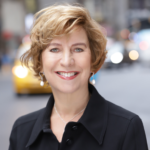
Vivian Schiller, Executive Director, Aspen Digital
Evelyn Aswad
Director, Center for International Business & Human Rights, University of Oklahoma College of Law
Evelyn Aswad is a Professor of Law and the Herman G. Kaiser Chair in International Law at the University of Oklahoma College of Law. She is also the Director of its Center for International Business & Human Rights. Her scholarship is focused on expression online. From 1999 to 2013, she served as an attorney in the U.S. Department of State’s Legal Bureau, most recently as the director of the Office of Human Rights and Refugees. During her time at the State Department she advised on various issues including freedom of expression online, the assessment of foreign and domestic laws and practices with regard to international human rights standards, issues of mass atrocities, global corporate responsibility standards, and U.S. engagement at the United Nations on human rights. Previously, Professor Aswad served as a law clerk to the Hon. Arthur J. Gajarsa at the U.S. Court of Appeals for the Federal Circuit and worked as a corporate lawyer at Arnold & Porter in Washington, DC. She received her JD, magna cum laude, from the Georgetown University Law Center and her B.S.F.S., summa cum laude, from Georgetown University’s School of Foreign Service.
Jamal Greene
Dwight Professor of Law, Columbia Law School
Jamal Greene is the Dwight Professor of Law at Columbia Law School, where he has taught courses on constitutional law, comparative constitutional law, the law of the political process, the First Amendment, and American federal courts. His scholarship focuses on constitutional rights adjudication as well as the structure of legal and constitutional argument. Professor Greene is the author of numerous articles and book chapters and a frequent media commentator on constitutional law and the Supreme Court. He has been a visiting professor at Harvard Law School and a visiting scholar at the Knight First Amendment Institute. Prior to joining Columbia’s faculty, Professor Greene served as a law clerk to the Hon. Guido Calabresi on the U.S. Court of Appeals for the Second Circuit and for the Hon. John Paul Stevens on the U.S. Supreme Court.
Michael W. McConnell
Director, Stanford Constitutional Law Center
Michael W. McConnell is the Richard and Frances Mallery Professor and Director of the Constitutional Law Center at Stanford Law School, where he teaches a course on freedom of speech, press, and religion, and a Senior Fellow at the Hoover Institution. From 2002 to 2009, he served as a Circuit Judge on the United States Court of Appeals for the Tenth Circuit. He was nominated by President George W. Bush, a Republican, and confirmed by a Democratic Senate by unanimous consent. McConnell has previously held chaired professorships at the University of Chicago and the University of Utah, and visiting professorships at Harvard and NYU. He has published widely in the fields of constitutional law and theory, especially church and state, equal protection, and separation of powers. He is co-editor of three books: ‘Religion and the Law’, ‘Christian Perspectives on Legal Thought’, and ‘The Constitution of the United States’. McConnell has argued fifteen cases in the United States Supreme Court, and served as law clerk to Supreme Court Justice William J. Brennan, Jr. and D.C. Circuit Chief Judge J. Skelly Wright. He has been Assistant General Counsel of the Office of Management & Budget, Assistant to the Solicitor General of the Department of Justice, and a member of the President’s Intelligence Oversight Board.
John Samples
Vice President, Center for Representative Government, The Cato Institute
John Samples is a Vice President at the Cato Institute. He founded and now directs Cato’s Center for Representative Government, which studies freedom of speech, the First Amendment and other aspects of American political institutions. He is currently working on an update to his monograph, ‘Why Government Should not Regulate Content Moderation of Social Media.’ He is also the author of ‘The Struggle to Limit Government: A Modern Political History,’ and ‘The Fallacy of Campaign Finance Reform,’ as well as the co-editor with Michael McDonald of ‘The Marketplace of Democracy.’ Prior to joining Cato, Samples served as Director of Georgetown University Press for eight years, and before that, as Vice President of the Twentieth Century Fund. He has published scholarly articles in journals including Society, History of Political Thought, and Telos along with numerous contributions to edited volumes and has been featured in publications like USA Today, the New York Times, and the Los Angeles Times. Samples received his PhD in political science from Rutgers University.
Vivian Schiller
Executive Director, Aspen Digital
Vivian Schiller is Executive Director of Aspen Digital. Over the last 30 years, Vivian has held executive roles at some of the most respected media organization in the world. Those include: President and CEO of NPR; Global Chair of News at Twitter; General Manager of NYTimes.com; Chief Digital Office of NBC News; chief of the Discovery Times Channel, a joint venture of The New York Times and Discovery Communications; and head of CNN documentary and long form divisions. Documentaries and series produced under her auspices earned multiple honors, including three Peabody Awards, four Alfred I. DuPont-Columbia University Awards, and dozens of Emmys. Schiller is a member of the Council on Foreign Relations; and a Director of the Scott Trust, which owns The Guardian. She is also strategic advisor to Craig Newmark Philanthropies.
{"includes":[{"object":"taxonomy","value":"133"}],"excludes":[{"object":"page","value":"136488"},{"object":"type","value":"callout"},{"object":"type","value":"form"},{"object":"type","value":"page"},{"object":"type","value":"article"},{"object":"type","value":"company"},{"object":"type","value":"person"},{"object":"type","value":"press"},{"object":"type","value":"report"},{"object":"type","value":"workstream"}],"order":[],"meta":"","rules":[],"property":"","details":["title"],"title":"Browse More Events","description":"","columns":2,"total":4,"filters":[],"filtering":[],"abilities":[],"action":"swipe","buttons":[],"pagination":[],"search":"","className":"random","sorts":[]}
The threats posed by mis- and disinformation loomed large ahead of 2022. What are the risks that faced the elections and what can we do to counter them?



 Facebook
 Twitter
 LinkedIn
 Email